Odisha | A matter of SIRVival
Odisha heats up before the main voter revision process as 980,000 names get erased in the prelims
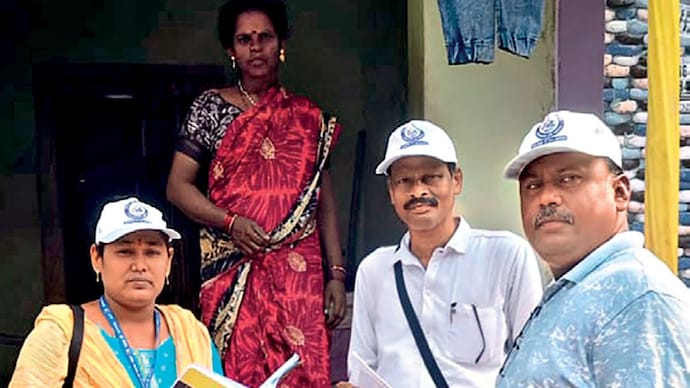
It looks like an encore of bengal as the Special Intensive Revision (SIR), like a spreading cyclone, makes landfall in neighbouring Odisha—wreaking pretty much the same effect. Nearly 980,000 names stand erased in the first layer of clean-up—a sieve accounting for deaths, relocation and the like. An annual exercise in non-SIR times, officials say this layer typically sees a much slimmer deletion rate. This year’s figure, arrived at after a contentious field mapping across January-March, has raised alarm bells within the Opposition—especially since the ‘special intensive’ part is yet to come.
It looks like an encore of bengal as the Special Intensive Revision (SIR), like a spreading cyclone, makes landfall in neighbouring Odisha—wreaking pretty much the same effect. Nearly 980,000 names stand erased in the first layer of clean-up—a sieve accounting for deaths, relocation and the like. An annual exercise in non-SIR times, officials say this layer typically sees a much slimmer deletion rate. This year’s figure, arrived at after a contentious field mapping across January-March, has raised alarm bells within the Opposition—especially since the ‘special intensive’ part is yet to come.
The Biju Janata Dal (BJD) was quick to sound the warning, with senior leaders Debi Prasad Mishra, Prasanna Acharya and Bijay Nayak calling a presser to question the scale of deletions. The annual January revision usually accounts for about 700,000 deletions, they say, adding: “That 980,000 lakh voters have been removed within just one year and four months, despite being on the rolls earlier, raises significant concerns.”
Writing to chief electoral officer (CEO) R.S. Gopalan, the BJD warned of “large-scale disenfranchisement”, citing the nearly 200,000 Form-7 objections as evidence of widespread unease. Especially vulnerable, the party argued, are migrant workers—excluding them merely due to their absence during verification strips them of their “fundamental rights”, it said. State Congress chief Bhakta Charan Das, too, demanded strict scrutiny, saying “980,000 is quite a large number”.
ADMISSION OF FAULT?
Faced with mounting criticism, CEO Gopalan moved to tighten oversight. Authorities acknowledge lapses. Many ‘deleted’ voters still live in their constituencies; in others, Booth Level Officers (BLOs) allegedly skipped proper field verification. An implicit mea culpa came as the CEO directed electoral registration officers to ensure “at least 50 per cent” of the Form-7 objections are physically verified.
All wrongfully deleted voters have been promised restoration; complaints via helplines, email and grievance portals are now under review. Yet, the politics is heating up, with minister Suresh Pujari dropping broad hints of “infiltrators in Odisha”.

