Kitchen design | Ergonomics is essential
True luxury is moving away from mere aesthetics toward a connected framework of intuitive storage, durable materials and effortless workflow
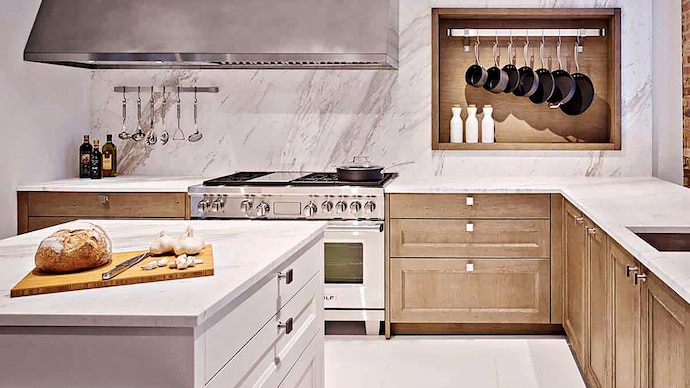
Custom made kitchens have moved well beyond the idea of cabinetry arranged along a wall. Today, the conversation is centred on active organisation, where every section is planned to support how the space is used each day. The modern kitchen is no longer treated as a collection of cupboards and counters. It is a carefully considered environment where movement, storage, access, and workflow are arranged with intent, reducing unnecessary effort and making everyday use more intuitive.
Custom made kitchens have moved well beyond the idea of cabinetry arranged along a wall. Today, the conversation is centred on active organisation, where every section is planned to support how the space is used each day. The modern kitchen is no longer treated as a collection of cupboards and counters. It is a carefully considered environment where movement, storage, access, and workflow are arranged with intent, reducing unnecessary effort and making everyday use more intuitive.
SMARTER STORAGE, BETTER ACCESS
One of the clearest shifts can be seen in how storage is approached. Corners, deep cabinets and hard-to-reach zones are no longer considered wasted space. Systems such as the Magic Corner transform underused areas into fully accessible storage, bringing contents outward with ease. The result is better visibility, simpler access, and more efficient use of the existing footprint.
Another advancement is the rise of appliance garages. These compartments, behind integrated panels, house frequently used appliances such as coffee machines, mixers and toasters. When not in use, they remain concealed, allowing the kitchen to feel composed and uncluttered. When needed, they are immediately accessible. This balance between convenience and order helps manage the visual noise of daily life without interrupting the kitchen’s clarity.
TECHNOLOGY THAT SUPPORTS ROUTINE
Technology has taken on a more purposeful role. Rather than being added for novelty, smart systems now assist daily routines. Voice-controlled lighting, touchless faucets and smartphone-managed ovens improve convenience while reducing friction in everyday tasks. More recently, appliances are moving towards predictive assistance, responding to cooking conditions in real time by adjusting heat and timing with minimal input. When integrated well, these features sit quietly within the kitchen’s larger design language.
Materials have evolved in equal measure. In a high-use space, surface performance matters as much as appearance. Durable finishes that resist scratches, stains, heat, moisture and fingerprints are increasingly preferred for their ability to retain their finish over time. There is also a growing emphasis on material health with low-emission finishes and responsibly sourced materials becoming part of the conversation.
ONE CONNECTED SYSTEM
The larger change lies in how the kitchen is planned as a whole. Storage is no longer seen as separate cabinets placed side by side. Premium custom-built kitchens operate as a connected framework, with tall units, drawers, organisers, work zones, and concealed utilities designed to work together. This creates a kitchen that is easy and efficient to use.
Clear zoning is another important part of this shift. Preparation, cooking, cleaning, and storage areas are more deliberately defined, allowing movement through the space to feel natural and efficient. This planning also responds to how kitchens are used socially today. While the work triangle continues to guide the main cooking zone, surrounding areas support movement without interruption. A guest, for instance, can access a beverage unit or glass-fronted storage without crossing into the primary workflow.
PERFORMANCE FIRST
Expectations have changed accordingly. Homeowners now evaluate kitchens not just on appearance but also on how well they function in everyday life. They consider how the space supports daily routines, reduces physical effort over time, and holds up to regular use.
This shift is why premium kitchen solutions have evolved beyond traditional cabinetry languages. They now focus on systems that bring together clarity, endurance, and ease of use. The kitchens that stand out today balance refined design with long-term reliability, showing that true luxury is defined not only by how a space looks, but by how well it continues to perform over time.

