Brown director Abhinay Deo: Casting Karisma Kapoor against type was intentional
Director Abhinay Deo shared why he deliberately chose to cast Karisma Kapoor against type in Brown. He said the decision was intentional.
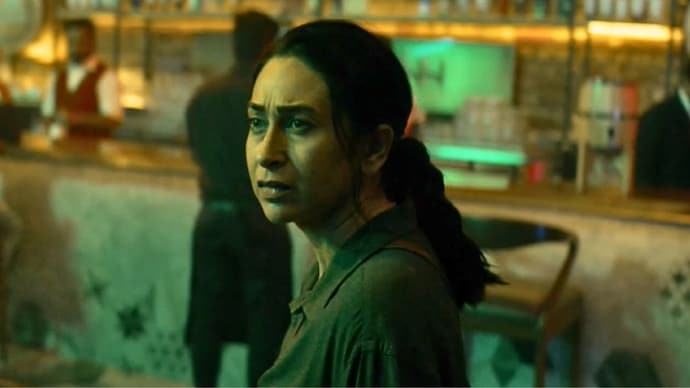
Director Abhinay Deo has revealed that casting Karisma Kapoor in Brown was a deliberate creative choice. It was aimed at presenting the actor in a role completely unlike anything audiences have previously associated her with. While he insists he was not trying to dismantle Kapoor's glamorous image, he intentionally chose her for a character that stood in stark contrast to her established screen persona.
Speaking exclusively to India Today, Deo explained that Kapoor's long-standing image as a glamorous leading lady made her the perfect choice for Rita Brown, a deeply layered character grappling with trauma and personal complexities. “I wouldn't say I cast her to break her image. But the fact that she has always been seen as a glamorous actress, someone who has done roles that we all remember, made it intentional to cast her in a role that is completely opposite—180 degrees different from what audiences associate her with,” he said.
Why Karisma Kapoor was the right fit for Rita Brown
The filmmaker clarified that the decision was driven primarily by the demands of the character rather than an attempt to reinvent Kapoor's image.
Watch the trailer here:
“The reason was simple: I genuinely felt that this show and this character, Rita Brown, needed someone exactly like her. It was something very unusual for an actor who had never done anything like this before to step into such a role and take it head-on. And that's exactly what she has done. We are absolutely lucky to have her,” he added.
According to Deo, Kapoor embraced the challenge of portraying a flawed and emotionally complex protagonist, bringing a depth that elevated the series.
Why audiences are embracing flawed characters
During the conversation, Deo also reflected on the growing popularity of morally complex characters and stories that move away from traditional notions of heroes and villains. Calling it “one of the best things to have happened”, he said the shift extends far beyond women-led narratives.
“It is not just about female characters. Cinema evolves over time, and every now and then, a big wave comes along and changes the way audiences look at storytelling. I think OTT has done that,” he said.
Deo believes audiences today consume content with greater maturity and are far more open to characters who inhabit shades of grey.
“To be honest, all of us are flawed. Name one person who is completely black or completely white. Everybody is grey, and it is perfectly fine to show that. In fact, it is necessary because films and shows are a reflection of society,” he said.
'Stories should reflect reality'
The director stressed that storytelling should mirror the complexities of real life and allow audiences to connect with a wide spectrum of characters.
“We should reflect what is really happening and allow audiences to identify with protagonists, antagonists, and everyone in between. Today, it is exciting to see a protagonist who is grey and an antagonist who is light grey. Why not? It opens up so many possibilities for filmmakers to explore complex characters and gives actors opportunities to experience roles they may never have played before,” he noted.
Deo concluded by emphasising that this evolution in storytelling applies to all characters, irrespective of gender.
“This change is not limited to female characters. It applies to all characters. Audiences today are more accepting of layered, flawed, and realistic people on screen, regardless of gender,” he said.
Brown is streaming on Zee5.
Director Abhinay Deo has revealed that casting Karisma Kapoor in Brown was a deliberate creative choice. It was aimed at presenting the actor in a role completely unlike anything audiences have previously associated her with. While he insists he was not trying to dismantle Kapoor's glamorous image, he intentionally chose her for a character that stood in stark contrast to her established screen persona.
Speaking exclusively to India Today, Deo explained that Kapoor's long-standing image as a glamorous leading lady made her the perfect choice for Rita Brown, a deeply layered character grappling with trauma and personal complexities. “I wouldn't say I cast her to break her image. But the fact that she has always been seen as a glamorous actress, someone who has done roles that we all remember, made it intentional to cast her in a role that is completely opposite—180 degrees different from what audiences associate her with,” he said.
Why Karisma Kapoor was the right fit for Rita Brown
The filmmaker clarified that the decision was driven primarily by the demands of the character rather than an attempt to reinvent Kapoor's image.
Watch the trailer here:
“The reason was simple: I genuinely felt that this show and this character, Rita Brown, needed someone exactly like her. It was something very unusual for an actor who had never done anything like this before to step into such a role and take it head-on. And that's exactly what she has done. We are absolutely lucky to have her,” he added.
According to Deo, Kapoor embraced the challenge of portraying a flawed and emotionally complex protagonist, bringing a depth that elevated the series.
Why audiences are embracing flawed characters
During the conversation, Deo also reflected on the growing popularity of morally complex characters and stories that move away from traditional notions of heroes and villains. Calling it “one of the best things to have happened”, he said the shift extends far beyond women-led narratives.
“It is not just about female characters. Cinema evolves over time, and every now and then, a big wave comes along and changes the way audiences look at storytelling. I think OTT has done that,” he said.
Deo believes audiences today consume content with greater maturity and are far more open to characters who inhabit shades of grey.
“To be honest, all of us are flawed. Name one person who is completely black or completely white. Everybody is grey, and it is perfectly fine to show that. In fact, it is necessary because films and shows are a reflection of society,” he said.
'Stories should reflect reality'
The director stressed that storytelling should mirror the complexities of real life and allow audiences to connect with a wide spectrum of characters.
“We should reflect what is really happening and allow audiences to identify with protagonists, antagonists, and everyone in between. Today, it is exciting to see a protagonist who is grey and an antagonist who is light grey. Why not? It opens up so many possibilities for filmmakers to explore complex characters and gives actors opportunities to experience roles they may never have played before,” he noted.
Deo concluded by emphasising that this evolution in storytelling applies to all characters, irrespective of gender.
“This change is not limited to female characters. It applies to all characters. Audiences today are more accepting of layered, flawed, and realistic people on screen, regardless of gender,” he said.
Brown is streaming on Zee5.

