I try not to judge my characters: Kritika Kamra returns in crime drama Matka King
Kritika Kamra prefers not to be boxed in "good girl" and "bad girl" roles, and says it doesn't matter if her characters are likeable to all. The actor returns in the crime drama series Matka King.
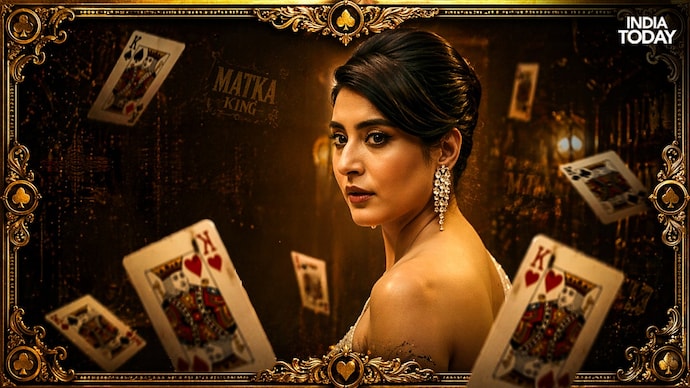
Kritika Kamra stars in the new Hindi crime drama series, Matka King, alongside Vijay Varma. The show, which drops on April 17, tells a story set in the male-dominated gambling world of 1960s Bombay.
Back on the screen after her March wedding to Gaurav Kapur, Kritika insisted she would rather focus on shop talk. In an interview with India Today, she shared what drew her to Gulrukh, her character in the show. Her added bonus was the chance to work with Vijay Varma and National Award-winning filmmaker Nagraj Manjule of Sairat fame. Beyond the show, she also spoke of what she looks for in the roles that she signs.
A woman reclaiming her power
Speaking about her character Gulrukh, Kritika highlighted the emotional depth that sets her apart in a largely male-driven narrative.
“She’s a young widow when we first meet her, and her journey is almost about reclaiming her power – coming back to life (sic). In a society like the 1960s, that was very difficult for a woman. Her journey from grief to chasing her own happiness forms her entire arc, and I found that very compelling,” the 37-year-old actor said.
She added that Gulrukh is not just another supporting character but plays a crucial role in the story’s progression.
“Gulrukh is pivotal – not just to the story but also to the rise of Matka in Bombay during the ’60s and ’70s,” she added.
Drawn to complex, grey characters
Kritika emphasised her preference for layered roles over stereotypical portrayals. She explained that she does not aim to make her characters universally likeable, but rather interesting and real.
"I like characters that don’t fit into boxes of 'good girl' or 'bad girl'. I try not to judge my characters. It doesn’t matter to me if my character is not likeable to everyone – it just has to be interesting and engaging," she said. This approach, she said, allows her to portray characters that reflect real-life complexities.
"In real life, we can’t always be right or liked. Characters with grey areas feel real because people make both good and bad decisions. It’s up to the viewers to decide how they perceive her choices," she said. The actor recalled playing such a role in Bambai Meri Jaan, where her character wasn’t strictly right or wrong. "Good writing gives characters layers and complexity," she added.
Discovering the world of Matka
Interestingly, the actor admitted she was unfamiliar with the Matka gambling culture before signing the project.
“Firstly, it was a world that was very exciting. I didn’t know much about gambling or Matka as a game until I read the script and researched the project. I wasn’t familiar with this world at all, because I’m not really from Bombay and didn’t grow up here. But a lot of people in Bombay seem to know about it. It was a really big phenomenon, and that fascinated me,” the actor said, adding that the show's underdog narrative and themes of money and power make it universally engaging.
More than crime: Themes that connect
Beyond the crime backdrop, Kritika believes the show taps into deeper emotional and social themes that audiences will relate to.
“People love stories of underdogs rising to success. That journey resonates universally. There’s also a strong contrast between the rich and the poor, which reflects society. While it involves crime, it’s more of a drama focused on human journeys rather than just thrills,” she said.
She also opened up about why period crime dramas continue to attract viewers.
“There’s something fascinating about the pre-technology world. Also, many origin stories come from the ’60s and ’70s – a time when India was evolving. Matka King is about money, and anything involving money and luck is naturally thrilling because the outcome is unpredictable,” she added.
On Nagraj Manjule and Vijay Varma
Kritika described her collaboration with director Nagraj Manjule as a fulfilling experience, calling herself a long-time admirer of his work. She said working on his first series made the project even more special.
"I’ve always been a fan of his works, like Sairat and Jhund. He presents complex ideas in a simple way and has a deep understanding of society. It was special to be part of his first series. Working with him and writer Abhay Koranne was a fulfilling experience," she said.
Sharing her experience with Vijay Varma, she added that their on-screen chemistry developed naturally.
“It was very easy. He’s an intelligent and disciplined actor and a great team player. We developed a natural chemistry early on, and since most of my scenes are with him, it made the process very smooth and enjoyable,” the actor added.
A steady journey over instant success
Reflecting on her career, Kritika said she prefers gradual growth over overnight fame.
“I don’t think there’s been one big breakthrough moment. It’s been more of a gradual journey. I prefer it that way – I want a long career, not just a one-time success. I’m hoping that my body of work, as a whole, reflects my growth as an actor,” she said.
She summed up the current OTT scene by saying it had opened better opportunities for women, though she noted that there was still room for improvement in representation and writing.
Kritika Kamra stars in the new Hindi crime drama series, Matka King, alongside Vijay Varma. The show, which drops on April 17, tells a story set in the male-dominated gambling world of 1960s Bombay.
Back on the screen after her March wedding to Gaurav Kapur, Kritika insisted she would rather focus on shop talk. In an interview with India Today, she shared what drew her to Gulrukh, her character in the show. Her added bonus was the chance to work with Vijay Varma and National Award-winning filmmaker Nagraj Manjule of Sairat fame. Beyond the show, she also spoke of what she looks for in the roles that she signs.
A woman reclaiming her power
Speaking about her character Gulrukh, Kritika highlighted the emotional depth that sets her apart in a largely male-driven narrative.
“She’s a young widow when we first meet her, and her journey is almost about reclaiming her power – coming back to life (sic). In a society like the 1960s, that was very difficult for a woman. Her journey from grief to chasing her own happiness forms her entire arc, and I found that very compelling,” the 37-year-old actor said.
She added that Gulrukh is not just another supporting character but plays a crucial role in the story’s progression.
“Gulrukh is pivotal – not just to the story but also to the rise of Matka in Bombay during the ’60s and ’70s,” she added.
Drawn to complex, grey characters
Kritika emphasised her preference for layered roles over stereotypical portrayals. She explained that she does not aim to make her characters universally likeable, but rather interesting and real.
"I like characters that don’t fit into boxes of 'good girl' or 'bad girl'. I try not to judge my characters. It doesn’t matter to me if my character is not likeable to everyone – it just has to be interesting and engaging," she said. This approach, she said, allows her to portray characters that reflect real-life complexities.
"In real life, we can’t always be right or liked. Characters with grey areas feel real because people make both good and bad decisions. It’s up to the viewers to decide how they perceive her choices," she said. The actor recalled playing such a role in Bambai Meri Jaan, where her character wasn’t strictly right or wrong. "Good writing gives characters layers and complexity," she added.
Discovering the world of Matka
Interestingly, the actor admitted she was unfamiliar with the Matka gambling culture before signing the project.
“Firstly, it was a world that was very exciting. I didn’t know much about gambling or Matka as a game until I read the script and researched the project. I wasn’t familiar with this world at all, because I’m not really from Bombay and didn’t grow up here. But a lot of people in Bombay seem to know about it. It was a really big phenomenon, and that fascinated me,” the actor said, adding that the show's underdog narrative and themes of money and power make it universally engaging.
More than crime: Themes that connect
Beyond the crime backdrop, Kritika believes the show taps into deeper emotional and social themes that audiences will relate to.
“People love stories of underdogs rising to success. That journey resonates universally. There’s also a strong contrast between the rich and the poor, which reflects society. While it involves crime, it’s more of a drama focused on human journeys rather than just thrills,” she said.
She also opened up about why period crime dramas continue to attract viewers.
“There’s something fascinating about the pre-technology world. Also, many origin stories come from the ’60s and ’70s – a time when India was evolving. Matka King is about money, and anything involving money and luck is naturally thrilling because the outcome is unpredictable,” she added.
On Nagraj Manjule and Vijay Varma
Kritika described her collaboration with director Nagraj Manjule as a fulfilling experience, calling herself a long-time admirer of his work. She said working on his first series made the project even more special.
"I’ve always been a fan of his works, like Sairat and Jhund. He presents complex ideas in a simple way and has a deep understanding of society. It was special to be part of his first series. Working with him and writer Abhay Koranne was a fulfilling experience," she said.
Sharing her experience with Vijay Varma, she added that their on-screen chemistry developed naturally.
“It was very easy. He’s an intelligent and disciplined actor and a great team player. We developed a natural chemistry early on, and since most of my scenes are with him, it made the process very smooth and enjoyable,” the actor added.
A steady journey over instant success
Reflecting on her career, Kritika said she prefers gradual growth over overnight fame.
“I don’t think there’s been one big breakthrough moment. It’s been more of a gradual journey. I prefer it that way – I want a long career, not just a one-time success. I’m hoping that my body of work, as a whole, reflects my growth as an actor,” she said.
She summed up the current OTT scene by saying it had opened better opportunities for women, though she noted that there was still room for improvement in representation and writing.

