Know Your Laws: How Ranveer Singh-Don 3 controversy spiralled into industry drama
Ranveer Singh's reported exit from Don 3 has led FWICE to ask its members not to work with him until he explains his stand. The row has widened into a legal battle over contract breach, union powers and competition law.
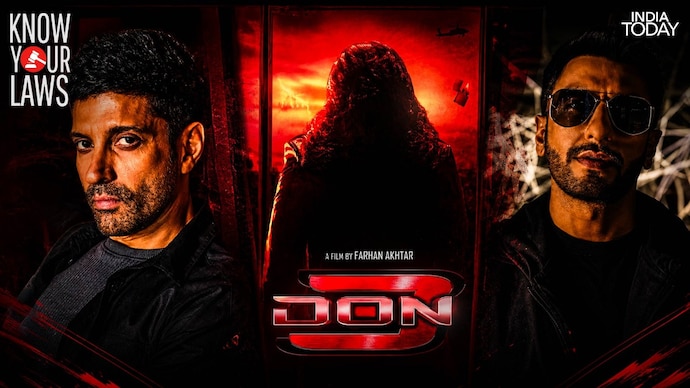
Ranveer Singh’s reported exit from Don 3 has snowballed into a controversy that now sits at the intersection of Bollywood politics, contract law, trade union powers and India’s competition regime. What may have begun as a disagreement between an actor and producers has escalated into a larger legal debate after the Federation of Western India Cine Employees (FWICE) directed its members not to work with the actor unless he appeared before the industry body and explained his position.
The controversy stems from allegations that Ranveer Singh walked away from Don 3, the latest instalment in the iconic franchise being helmed by filmmaker Farhan Akhtar and produced by Excel Entertainment’s Ritesh Sidhwani. According to reports, the producers approached the Indian Film & Television Directors’ Association (IFTDA), which subsequently referred the matter to FWICE.
At the core of the dispute is the question of whether Ranveer Singh breached contractual obligations. If the actor had formally committed to the project and later withdrew, the producers could potentially claim financial damages arising from production delays, scheduling disruptions and losses allegedly amounting to over Rs 45 crore. Under Indian contract law, a civil suit for breach of contract could allow filmmakers to seek compensation if they can establish that Singh’s withdrawal caused measurable financial harm.
However, legal experts point out that the producers have not yet pursued a civil remedy before a court. Instead, the matter has been escalated through industry bodies and trade associations, raising important questions about the role and powers of unions like FWICE.
FWICE, a registered trade union representing thousands of workers and technicians in the film and television industry, has now effectively threatened a boycott by directing its affiliated members not to cooperate on projects involving Ranveer Singh. Such a move, if implemented widely, could severely impact the actor’s ability to work within the Hindi film industry.
But whether FWICE possesses the legal authority to intervene in what appears to be a private commercial dispute is now under scrutiny.
Competition lawyer Advocate Manu Chaturvedi notes that trade unions are established primarily to regulate relationships between workers and employers and to protect the interests of their members. Under Section 15 of the Trade Unions Act, unions are empowered to conduct trade disputes, support members, and defend legal proceedings concerning labour-related issues. However, the statute does not authorise trade unions to adjudicate commercial disputes between producers and independent actors.
Importantly, Ranveer Singh does not appear to be a member of FWICE or any of its affiliated associations. Legal experts say that a union’s disciplinary jurisdiction generally extends only to its own members. Since Singh operates as an independent commercial contracting party rather than a “workman” under the Industrial Disputes Act, FWICE’s jurisdictional basis appears legally weak.
Akshayy S. Nanda, Partner at Saraf and Partners, told India Today that the dispute should ordinarily have been handled as a straightforward breach-of-contract matter before a civil court. “The party claiming damages should have gone to the court for breach of contract,” he says, adding that using an industry association to pressure or intimidate an individual raises serious competition law concerns.
That is where the Competition Commission of India (CCI) enters the picture.
India’s competition laws prohibit trade associations and unions from engaging in practices that restrict free competition in the market. In the landmark 2017 CCI ruling in the Vipul Shah case, the competition watchdog examined anti-competitive conduct by several film industry associations, including FWICE. The CCI found that practices such as issuing non-cooperation directives, preventing producers from hiring non-members, conducting vigilance checks, stalling shoots, and imposing penalties amounted to limiting and controlling the supply of services in the industry.
The Commission issued cease-and-desist orders and warned industry associations against repeating such conduct.
In 2018, the CCI reiterated that these directions applied broadly, and that film associations could not interfere with free market functioning by coercively dictating who producers may or may not hire.
Against that legal backdrop, experts say FWICE’s current directive against Ranveer Singh could potentially attract another competition law challenge.
If producers, actors, or other stakeholders approach the CCI alleging anti-competitive conduct, the Commission could initiate an investigation into whether the boycott amounts to a collective restriction on market access.
Nanda notes that the legal label attached to the action — whether termed a “disciplinary measure” or “non-cooperation directive” — does not change its legal effect if it ultimately restricts competition and limits the free supply of services in the entertainment market.
Experts also say that FWICE cannot assume quasi-judicial powers merely by issuing notices or seeking explanations from parties. Chaturvedi further explains that even if procedural formalities are followed by the FWICE regarding notice and hearing, a body acting without jurisdiction cannot validate its actions simply through internal processes.
If the matter reaches the CCI, the consequences could be significant. The Commission has the authority to issue cease-and-desist orders, impose substantial financial penalties on associations, and even impose financial penalties on the office bearers responsible for anti-competitive decisions.
At the same time, Ranveer Singh may also have independent legal remedies available. If the boycott materially affects his professional opportunities or causes reputational and financial harm, he could potentially seek damages or interim relief before appropriate legal forums.
For now, the controversy remains unresolved.
But beyond the immediate fallout surrounding Don 3, the dispute has reignited larger questions about the limits of trade union authority in Bollywood, the use of collective pressure tactics in the entertainment industry, and the balance between labour representation and free market competition.
Ranveer Singh’s reported exit from Don 3 has snowballed into a controversy that now sits at the intersection of Bollywood politics, contract law, trade union powers and India’s competition regime. What may have begun as a disagreement between an actor and producers has escalated into a larger legal debate after the Federation of Western India Cine Employees (FWICE) directed its members not to work with the actor unless he appeared before the industry body and explained his position.
The controversy stems from allegations that Ranveer Singh walked away from Don 3, the latest instalment in the iconic franchise being helmed by filmmaker Farhan Akhtar and produced by Excel Entertainment’s Ritesh Sidhwani. According to reports, the producers approached the Indian Film & Television Directors’ Association (IFTDA), which subsequently referred the matter to FWICE.
At the core of the dispute is the question of whether Ranveer Singh breached contractual obligations. If the actor had formally committed to the project and later withdrew, the producers could potentially claim financial damages arising from production delays, scheduling disruptions and losses allegedly amounting to over Rs 45 crore. Under Indian contract law, a civil suit for breach of contract could allow filmmakers to seek compensation if they can establish that Singh’s withdrawal caused measurable financial harm.
However, legal experts point out that the producers have not yet pursued a civil remedy before a court. Instead, the matter has been escalated through industry bodies and trade associations, raising important questions about the role and powers of unions like FWICE.
FWICE, a registered trade union representing thousands of workers and technicians in the film and television industry, has now effectively threatened a boycott by directing its affiliated members not to cooperate on projects involving Ranveer Singh. Such a move, if implemented widely, could severely impact the actor’s ability to work within the Hindi film industry.
But whether FWICE possesses the legal authority to intervene in what appears to be a private commercial dispute is now under scrutiny.
Competition lawyer Advocate Manu Chaturvedi notes that trade unions are established primarily to regulate relationships between workers and employers and to protect the interests of their members. Under Section 15 of the Trade Unions Act, unions are empowered to conduct trade disputes, support members, and defend legal proceedings concerning labour-related issues. However, the statute does not authorise trade unions to adjudicate commercial disputes between producers and independent actors.
Importantly, Ranveer Singh does not appear to be a member of FWICE or any of its affiliated associations. Legal experts say that a union’s disciplinary jurisdiction generally extends only to its own members. Since Singh operates as an independent commercial contracting party rather than a “workman” under the Industrial Disputes Act, FWICE’s jurisdictional basis appears legally weak.
Akshayy S. Nanda, Partner at Saraf and Partners, told India Today that the dispute should ordinarily have been handled as a straightforward breach-of-contract matter before a civil court. “The party claiming damages should have gone to the court for breach of contract,” he says, adding that using an industry association to pressure or intimidate an individual raises serious competition law concerns.
That is where the Competition Commission of India (CCI) enters the picture.
India’s competition laws prohibit trade associations and unions from engaging in practices that restrict free competition in the market. In the landmark 2017 CCI ruling in the Vipul Shah case, the competition watchdog examined anti-competitive conduct by several film industry associations, including FWICE. The CCI found that practices such as issuing non-cooperation directives, preventing producers from hiring non-members, conducting vigilance checks, stalling shoots, and imposing penalties amounted to limiting and controlling the supply of services in the industry.
The Commission issued cease-and-desist orders and warned industry associations against repeating such conduct.
In 2018, the CCI reiterated that these directions applied broadly, and that film associations could not interfere with free market functioning by coercively dictating who producers may or may not hire.
Against that legal backdrop, experts say FWICE’s current directive against Ranveer Singh could potentially attract another competition law challenge.
If producers, actors, or other stakeholders approach the CCI alleging anti-competitive conduct, the Commission could initiate an investigation into whether the boycott amounts to a collective restriction on market access.
Nanda notes that the legal label attached to the action — whether termed a “disciplinary measure” or “non-cooperation directive” — does not change its legal effect if it ultimately restricts competition and limits the free supply of services in the entertainment market.
Experts also say that FWICE cannot assume quasi-judicial powers merely by issuing notices or seeking explanations from parties. Chaturvedi further explains that even if procedural formalities are followed by the FWICE regarding notice and hearing, a body acting without jurisdiction cannot validate its actions simply through internal processes.
If the matter reaches the CCI, the consequences could be significant. The Commission has the authority to issue cease-and-desist orders, impose substantial financial penalties on associations, and even impose financial penalties on the office bearers responsible for anti-competitive decisions.
At the same time, Ranveer Singh may also have independent legal remedies available. If the boycott materially affects his professional opportunities or causes reputational and financial harm, he could potentially seek damages or interim relief before appropriate legal forums.
For now, the controversy remains unresolved.
But beyond the immediate fallout surrounding Don 3, the dispute has reignited larger questions about the limits of trade union authority in Bollywood, the use of collective pressure tactics in the entertainment industry, and the balance between labour representation and free market competition.

