Nasa to announce names of four Artemis III astronauts on June 9
Nasa will announce the four astronauts chosen for Artemis III during a live event on June 9. The mission is expected to advance plans for a sustained human return to the Moon and future Mars exploration.
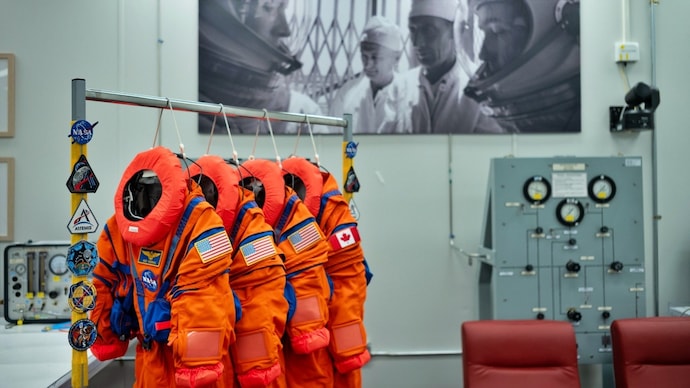
Nasa is set to unveil the crew for its highly anticipated Artemis III mission, the first planned human return to the lunar surface in more than five decades.
The agency announced it will reveal the names of the astronauts selected for the mission during a live event on June 9.
Artemis III will launch four astronauts aboard the Orion spacecraft using Nasa’s powerful Space Launch System (SLS) rocket from Kennedy Space Center. The mission represents a critical step in Nasa’s long-term lunar exploration programme and is expected to test technologies essential for future Moon and Mars missions.
The upcoming flight will focus heavily on complex rendezvous and docking operations between Orion and commercial human landing systems designed to transport astronauts from lunar orbit to the Moon’s surface. These systems are considered central to Nasa’s strategy of building a sustainable human presence on the Moon rather than conducting short-term exploratory visits.
Nasa said Artemis III builds directly on the success of Artemis II, the crewed lunar test mission completed in April. Artemis II marked the first time astronauts travelled around the Moon under the Artemis programme, validating key systems needed for deep-space human exploration.
With Artemis III, Nasa aims to move beyond orbital missions and resume human landings on the lunar surface for the first time since the historic Apollo era ended in 1972. The mission is also expected to expand scientific exploration, including studies of lunar resources, surface conditions and technologies needed for long-duration missions.
The Artemis programme forms a central part of Nasa’s broader ambitions for what the agency calls a new “Golden Age of innovation and exploration.” Officials say the Moon will serve as a proving ground for future crewed missions to Mars, helping astronauts and engineers develop systems capable of supporting human life far from Earth for extended periods.
Nasa has increasingly emphasised the economic and strategic importance of lunar exploration, highlighting opportunities for commercial partnerships, technology development and international collaboration.
The announcement of the Artemis III crew is likely to draw global attention, as the selected astronauts prepare to become the next humans tasked with carrying humanity back to the lunar surface and opening a new chapter in deep-space exploration.
Nasa is set to unveil the crew for its highly anticipated Artemis III mission, the first planned human return to the lunar surface in more than five decades.
The agency announced it will reveal the names of the astronauts selected for the mission during a live event on June 9.
Artemis III will launch four astronauts aboard the Orion spacecraft using Nasa’s powerful Space Launch System (SLS) rocket from Kennedy Space Center. The mission represents a critical step in Nasa’s long-term lunar exploration programme and is expected to test technologies essential for future Moon and Mars missions.
The upcoming flight will focus heavily on complex rendezvous and docking operations between Orion and commercial human landing systems designed to transport astronauts from lunar orbit to the Moon’s surface. These systems are considered central to Nasa’s strategy of building a sustainable human presence on the Moon rather than conducting short-term exploratory visits.
Nasa said Artemis III builds directly on the success of Artemis II, the crewed lunar test mission completed in April. Artemis II marked the first time astronauts travelled around the Moon under the Artemis programme, validating key systems needed for deep-space human exploration.
With Artemis III, Nasa aims to move beyond orbital missions and resume human landings on the lunar surface for the first time since the historic Apollo era ended in 1972. The mission is also expected to expand scientific exploration, including studies of lunar resources, surface conditions and technologies needed for long-duration missions.
The Artemis programme forms a central part of Nasa’s broader ambitions for what the agency calls a new “Golden Age of innovation and exploration.” Officials say the Moon will serve as a proving ground for future crewed missions to Mars, helping astronauts and engineers develop systems capable of supporting human life far from Earth for extended periods.
Nasa has increasingly emphasised the economic and strategic importance of lunar exploration, highlighting opportunities for commercial partnerships, technology development and international collaboration.
The announcement of the Artemis III crew is likely to draw global attention, as the selected astronauts prepare to become the next humans tasked with carrying humanity back to the lunar surface and opening a new chapter in deep-space exploration.

