21 of 25 world's most polluted cities today are in India. Is your city on the list?
AQI.in's live rankings placed 21 Indian cities among the world's 25 most polluted on Sunday. The list points to how heatwave conditions and PM2.5 pollution are worsening air quality beyond winter months in India.
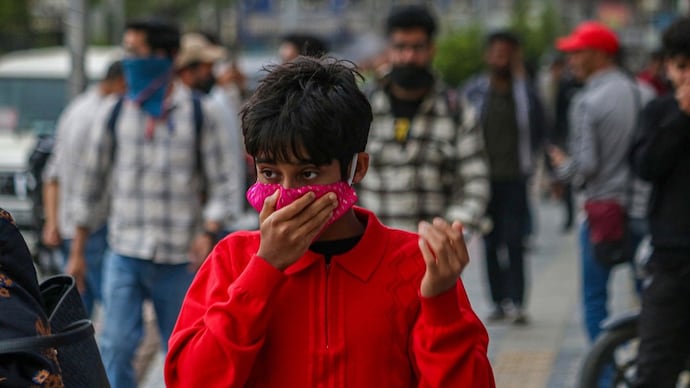
As India battles one of its harshest heatwaves in recent years, the country is simultaneously confronting another grim distinction: it is not just among the world’s hottest regions right now, but also home to the vast majority of the planet’s most polluted cities.
According to AQI.in’s “Real-time Most Polluted Cities in the World 2026” rankings recorded at 12:50 pm IST on Sunday, 21 out of the world’s 25 most polluted cities were located in India.
The rankings, based on live Air Quality Index (AQI) readings and PM2.5 concentrations, paint a stark picture of toxic air spreading across large parts of northern and eastern India.
Topping the global list was Begusarai in Bihar with a staggering AQI of 549, firmly in the hazardous category. At such levels, air pollution can trigger serious health effects even among healthy individuals, while posing severe risks to people with respiratory or heart conditions.
Patna and Bhagalpur followed with AQI readings above 150, classified as unhealthy. Several other Indian cities including Buxar, Jaisalmer, Haldia, Saharsa, Saharanpur, Gorakhpur, Moradabad and Kolkata also featured prominently in the rankings with poor air quality.
Only four non-Indian cities appeared in the top 25 list: Dhaka in Bangladesh, Kathmandu and Lalitpur in Nepal, alongside another Kathmandu entry under a different monitoring zone.
WHY INDIA IS ONE OF THE MOST POLLUTED COUNTRIES IN THE WORLD?
The rankings come amid an intense heatwave gripping much of India. Meteorologists say the extreme temperatures are likely worsening pollution levels through a combination of stagnant atmospheric conditions, dust transport and photochemical reactions driven by strong sunlight.
One of the biggest concerns is PM2.5, microscopic particulate matter smaller than 2.5 micrometres. These particles are tiny enough to penetrate deep into human lungs and even enter the bloodstream. Long-term exposure has been linked to asthma, lung cancer, strokes, heart disease and reduced life expectancy.
Heatwaves can significantly amplify PM2.5 pollution. Dry conditions allow dust to remain suspended in the atmosphere for longer periods, while weak winds prevent pollutants from dispersing.
In several north Indian cities, temperatures nearing or crossing 45°C are coinciding with dangerously high pollution levels, a combination health experts often describe as a “double environmental assault.”
Bihar emerged as one of the worst-affected states in the latest rankings, with multiple cities including Begusarai, Patna, Bhagalpur, Saharsa, Gaya, Muzaffarpur and Aurangabad appearing in the global top 25.
The crisis also highlights how air pollution is no longer just a winter phenomenon in India. Traditionally associated with post-Diwali smog and crop-burning months, severe pollution is increasingly becoming a year-round problem driven by urban emissions, industrial activity, dust storms, coal use and rising temperatures linked to climate change.
As India’s cities continue heating up, the latest rankings suggest many are also becoming harder to breathe in.
As India battles one of its harshest heatwaves in recent years, the country is simultaneously confronting another grim distinction: it is not just among the world’s hottest regions right now, but also home to the vast majority of the planet’s most polluted cities.
According to AQI.in’s “Real-time Most Polluted Cities in the World 2026” rankings recorded at 12:50 pm IST on Sunday, 21 out of the world’s 25 most polluted cities were located in India.
The rankings, based on live Air Quality Index (AQI) readings and PM2.5 concentrations, paint a stark picture of toxic air spreading across large parts of northern and eastern India.
Topping the global list was Begusarai in Bihar with a staggering AQI of 549, firmly in the hazardous category. At such levels, air pollution can trigger serious health effects even among healthy individuals, while posing severe risks to people with respiratory or heart conditions.
Patna and Bhagalpur followed with AQI readings above 150, classified as unhealthy. Several other Indian cities including Buxar, Jaisalmer, Haldia, Saharsa, Saharanpur, Gorakhpur, Moradabad and Kolkata also featured prominently in the rankings with poor air quality.
Only four non-Indian cities appeared in the top 25 list: Dhaka in Bangladesh, Kathmandu and Lalitpur in Nepal, alongside another Kathmandu entry under a different monitoring zone.
WHY INDIA IS ONE OF THE MOST POLLUTED COUNTRIES IN THE WORLD?
The rankings come amid an intense heatwave gripping much of India. Meteorologists say the extreme temperatures are likely worsening pollution levels through a combination of stagnant atmospheric conditions, dust transport and photochemical reactions driven by strong sunlight.
One of the biggest concerns is PM2.5, microscopic particulate matter smaller than 2.5 micrometres. These particles are tiny enough to penetrate deep into human lungs and even enter the bloodstream. Long-term exposure has been linked to asthma, lung cancer, strokes, heart disease and reduced life expectancy.
Heatwaves can significantly amplify PM2.5 pollution. Dry conditions allow dust to remain suspended in the atmosphere for longer periods, while weak winds prevent pollutants from dispersing.
In several north Indian cities, temperatures nearing or crossing 45°C are coinciding with dangerously high pollution levels, a combination health experts often describe as a “double environmental assault.”
Bihar emerged as one of the worst-affected states in the latest rankings, with multiple cities including Begusarai, Patna, Bhagalpur, Saharsa, Gaya, Muzaffarpur and Aurangabad appearing in the global top 25.
The crisis also highlights how air pollution is no longer just a winter phenomenon in India. Traditionally associated with post-Diwali smog and crop-burning months, severe pollution is increasingly becoming a year-round problem driven by urban emissions, industrial activity, dust storms, coal use and rising temperatures linked to climate change.
As India’s cities continue heating up, the latest rankings suggest many are also becoming harder to breathe in.

