RCB used to rely on individual superstars, now they win as a unit
IPL Qualifier 1, RCB vs GT: Royal Challengers Bengaluru's shift from a superstar-led model to a balanced team has come into focus through recent assessments by Ambati Rayudu and Tom Moody. The change reflects a wider structural overhaul in management and philosophy, with shared roles now driving results.
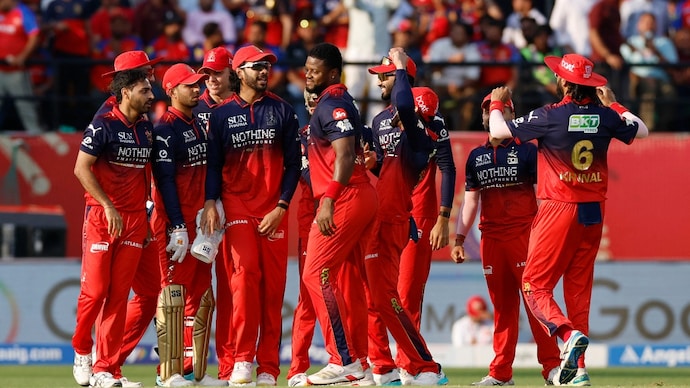
During its inception, Royal Challengers Bengaluru was a franchise perceived to be one that loved the glamour and the spotlight more than the actual cricket being played on the field. Driven by then-owner Vijay Mallya's penchant for a high-flying lifestyle, the team actively brought in major Bollywood and regional film stars as official brand ambassadors, creating a massive entertainment crossover. The M. Chinnaswamy Stadium on match nights felt less like a traditional cricket venue and more like an exclusive red-carpet event. Glamour, lifestyle, and high-profile after-parties routinely shared equal billing with the sport itself.
Qualifier 1, RCB vs GT: Highlights | Scorecard
For over a decade, this Hollywood-esque approach manifested on the turf through a heavy reliance on individual genius. RCB became a fantasy league experiment brought to life, built entirely around a terrifyingly top-heavy batting line-up of legendary superstars. If the stars aligned, they looked unstoppable. If they failed, the deck collapsed.
This stark reality was laid bare by former Chennai Super Kings batter Ambati Rayudu, who recalled exactly what it was like for rival teams to plan against those iconic but flawed line-ups:
"When we won against RCB, it was winning against RCB. When we lost, we lost to AB de Villiers, we lost to Virat Kohli, or we lost to Chris Gayle. We never lost to RCB. It's only when these guys performed that they could beat a team like a CSK or an MI. But now I don't see any team coming close to how good these guys are."
THE SUPERSTAR TRAP
This superstar-centric failure is not unique to cricket. The sporting world is littered with "video game line-ups" that fall completely flat in reality. Take football's most famous experiment: Real Madrid’s Galcticos era in the early 2000s. Despite boasting Ronaldo Nazrio, Lus Figo, David Beckham, and Zinedine Zidane under one roof, this visually stunning group famously weren't able to be actually crowned the best in Europe—meaning they did not win the Champions League together. The squad lacked balance, defensive workhorses, and structural cohesion.
A modern parallel emerged at Paris Saint-Germain. Pairing Lionel Messi, Kylian Mbapp, and Neymar Jr. alongside seasoned winners like Sergio Ramos and Achraf Hakimi created a marketing juggernaut, yet they did not live up to the billing either, routinely crumbling in Europe. Coincidentally, when both teams ended up overlooking the superstars and building an actual team, that's when they found success.
RCB found themselves in that exact same boat. They possessed the ultimate draw cards, but they lacked a functional engine room.
THE STRUCTURAL SHIFT
Now, however, there seems to be a definitive shift in that mindset. The franchise has adopted a deeper focus on the game above everything else, engineering a structural overhaul behind the scenes. This transformation starts right with the management. With Mo Bobat steering the ship as the Director of Cricket, alongside the analytical, high-performance mind of head coach Andy Flower and the addition of Dinesh Karthik as assistant coach, the franchise has swapped lifestyle vibes for cold, calculated cricket logic.
Instead of searching for the next blockbuster headline-maker, this think tank has focused on utility, depth, and role clarity. The evolution has taken them from a top-heavy batting order to a robust, balanced eleven where each individual can turn the game on its head on any given day.
Speaking on ESPNCricinfo, former coach Tom Moody perfectly encapsulated this cultural shift:
"RCB's identity was their superstars. Simple as that, so you didn't recognise them as a team, you recognised them as AB de Villiers, Virat Kohli, Chris Gayle, that was their identity. So everyone associated them with incredible players, but no one really recognised them as a team. Now they're recognised as a team. Yes, Kohli's still there, and he's still performing at an amazing level, but there are so many other parts to it. And the interesting thing with that, what comes with that is shared success. The player of the match is shared; there's not one person all the time. Everyone plays a role, and everyone recognises that and embraces that."
BEARING THE FRUITS OF IRONY
RCB are finally bearing the fruits of some incredibly tough decisions, moving away from the safety net of popular marketing and leaning into raw, collective accountability.
What is deeply ironic about this transformation is that this new-found blueprint is one of the key philosophies of one of their biggest, most vocal rivals: Gautam Gambhir. For years, Gambhir championed the ideology that "names don't win you tournaments, teams do," often building squads that lacked individual megastars but possessed endless depth. By finally embracing that exact ethos, RCB has shed its old skin, traded glamour for grit, and built a machine capable of winning together.
IPL 2026 | IPL Schedule | IPL Points Table | IPL Player Stats | Purple Cap | Orange Cap | IPL Videos | Cricket News | Live Score
During its inception, Royal Challengers Bengaluru was a franchise perceived to be one that loved the glamour and the spotlight more than the actual cricket being played on the field. Driven by then-owner Vijay Mallya's penchant for a high-flying lifestyle, the team actively brought in major Bollywood and regional film stars as official brand ambassadors, creating a massive entertainment crossover. The M. Chinnaswamy Stadium on match nights felt less like a traditional cricket venue and more like an exclusive red-carpet event. Glamour, lifestyle, and high-profile after-parties routinely shared equal billing with the sport itself.
Qualifier 1, RCB vs GT: Highlights | Scorecard
For over a decade, this Hollywood-esque approach manifested on the turf through a heavy reliance on individual genius. RCB became a fantasy league experiment brought to life, built entirely around a terrifyingly top-heavy batting line-up of legendary superstars. If the stars aligned, they looked unstoppable. If they failed, the deck collapsed.
This stark reality was laid bare by former Chennai Super Kings batter Ambati Rayudu, who recalled exactly what it was like for rival teams to plan against those iconic but flawed line-ups:
"When we won against RCB, it was winning against RCB. When we lost, we lost to AB de Villiers, we lost to Virat Kohli, or we lost to Chris Gayle. We never lost to RCB. It's only when these guys performed that they could beat a team like a CSK or an MI. But now I don't see any team coming close to how good these guys are."
THE SUPERSTAR TRAP
This superstar-centric failure is not unique to cricket. The sporting world is littered with "video game line-ups" that fall completely flat in reality. Take football's most famous experiment: Real Madrid’s Galcticos era in the early 2000s. Despite boasting Ronaldo Nazrio, Lus Figo, David Beckham, and Zinedine Zidane under one roof, this visually stunning group famously weren't able to be actually crowned the best in Europe—meaning they did not win the Champions League together. The squad lacked balance, defensive workhorses, and structural cohesion.
A modern parallel emerged at Paris Saint-Germain. Pairing Lionel Messi, Kylian Mbapp, and Neymar Jr. alongside seasoned winners like Sergio Ramos and Achraf Hakimi created a marketing juggernaut, yet they did not live up to the billing either, routinely crumbling in Europe. Coincidentally, when both teams ended up overlooking the superstars and building an actual team, that's when they found success.
RCB found themselves in that exact same boat. They possessed the ultimate draw cards, but they lacked a functional engine room.
THE STRUCTURAL SHIFT
Now, however, there seems to be a definitive shift in that mindset. The franchise has adopted a deeper focus on the game above everything else, engineering a structural overhaul behind the scenes. This transformation starts right with the management. With Mo Bobat steering the ship as the Director of Cricket, alongside the analytical, high-performance mind of head coach Andy Flower and the addition of Dinesh Karthik as assistant coach, the franchise has swapped lifestyle vibes for cold, calculated cricket logic.
Instead of searching for the next blockbuster headline-maker, this think tank has focused on utility, depth, and role clarity. The evolution has taken them from a top-heavy batting order to a robust, balanced eleven where each individual can turn the game on its head on any given day.
Speaking on ESPNCricinfo, former coach Tom Moody perfectly encapsulated this cultural shift:
"RCB's identity was their superstars. Simple as that, so you didn't recognise them as a team, you recognised them as AB de Villiers, Virat Kohli, Chris Gayle, that was their identity. So everyone associated them with incredible players, but no one really recognised them as a team. Now they're recognised as a team. Yes, Kohli's still there, and he's still performing at an amazing level, but there are so many other parts to it. And the interesting thing with that, what comes with that is shared success. The player of the match is shared; there's not one person all the time. Everyone plays a role, and everyone recognises that and embraces that."
BEARING THE FRUITS OF IRONY
RCB are finally bearing the fruits of some incredibly tough decisions, moving away from the safety net of popular marketing and leaning into raw, collective accountability.
What is deeply ironic about this transformation is that this new-found blueprint is one of the key philosophies of one of their biggest, most vocal rivals: Gautam Gambhir. For years, Gambhir championed the ideology that "names don't win you tournaments, teams do," often building squads that lacked individual megastars but possessed endless depth. By finally embracing that exact ethos, RCB has shed its old skin, traded glamour for grit, and built a machine capable of winning together.
IPL 2026 | IPL Schedule | IPL Points Table | IPL Player Stats | Purple Cap | Orange Cap | IPL Videos | Cricket News | Live Score

