AI will not wipe out jobs, I was wrong: Sam Altman and other tech leaders
For nearly two years, tech leaders warned that AI could wipe out millions of jobs. Now, executives like Sam Altman, Jeff Bezos and Jensen Huang say the fears may have been exaggerated, with humans still playing a central role in most jobs.
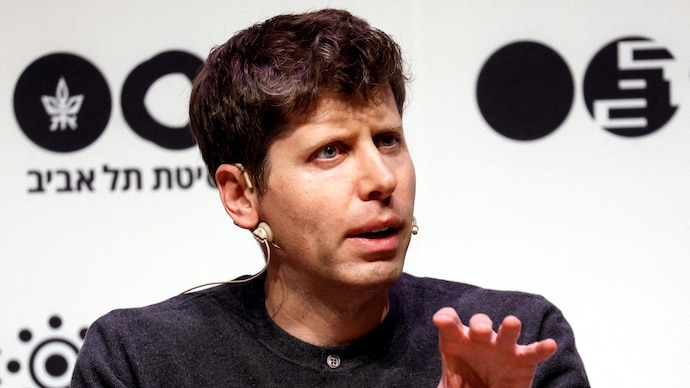
For the last two years, one of the biggest fears around AI has been will AI take away human jobs? When tools like OpenAI’s ChatGPT exploded in popularity, many tech leaders warned that millions of white-collar roles could disappear faster than people expected. But now, some of the same executives who once raised those concerns are changing their tone. OpenAI CEO Sam Altman has admitted that his earlier fears about AI-driven job losses were wrong. Speaking virtually at a conference hosted by Commonwealth Bank of Australia in Sydney, Altman said AI has not replaced as many workers as he expected, especially in entry-level white-collar jobs.
According to Altman, OpenAI’s predictions about how quickly AI technology would improve turned out to be mostly accurate after the launch of ChatGPT in 2022. However, he said the company misjudged how society and workplaces would react to the technology.
"I’m delighted to be wrong about this,” Altman said. “I thought there would have been more impact on entry-level white-collar jobs being eliminated by now than has actually happened."
Altman explained that over time he realised something important that people still value human interaction more than many in the tech industry initially thought. He shared an example from his own life, saying he once tried using AI to respond to Slack and email messages under the label “this is Sam’s AI.” But eventually, he returned to replying to some messages personally.
“We really do care about people,” Altman said, adding that human interaction remains difficult to replace completely with software.
That experience changed his understanding of how jobs may evolve in the AI era. Instead of a sudden collapse of employment, Altman now believes work may simply shift, with humans continuing to play a central role in communication, creativity, decision-making, and emotional understanding.
“I don’t think we’re going to have the kind of jobs apocalypse that some of the companies in our space advocate or talk about,” he said.
Jeff Bezos says AI will upgrade jobs, not erase them
Altman is not the only tech leader softening earlier warnings around AI. Jeff Bezos has also argued that AI will make workers more productive rather than replace them completely.
Speaking in an interview with CNBC, Bezos dismissed claims that professions such as software engineering or radiology would disappear because of AI tools. According to him, AI can help automate some tasks, but humans will still be needed to identify problems, think creatively, and design systems.
Using software engineers as an example, Bezos said writing code is only one part of the job. The bigger responsibility is deciding what needs to be built and why.
“It’s going to be done with a bulldozer instead of a shovel,” Bezos said while describing how AI could improve productivity.
He also predicted that AI could eventually create labour shortages instead of mass unemployment because businesses may become far more productive.
Still, the concerns around layoffs are not entirely disappearing. Companies including Amazon, Meta, HSBC and Standard Chartered have reduced workforces in recent years while also increasing investments in AI infrastructure and automation tools.
Jensen Huang calls AI layoff narrative "lazy"
Meanwhile, Jensen Huang has openly criticised executives who blame AI for layoffs. The Nvidia CEO said many companies are using AI as an easy explanation for job cuts that may actually be linked to cost reduction or restructuring.
“I think the narrative that connects AI to job loss for many of the CEOs that are doing it, it is just too lazy,” Huang said in an interview with Singapore broadcaster CNA.
Huang questioned how companies could claim AI was replacing workers even before generative AI became truly useful in workplaces. According to him, some executives may be using AI-related language simply “to sound smart.”
He also warned that fear-based conversations around AI could harm public confidence.
“I think we’re scaring people and that’s irresponsible,” Huang said, while calling for a more balanced discussion around the technology.
For the last two years, one of the biggest fears around AI has been will AI take away human jobs? When tools like OpenAI’s ChatGPT exploded in popularity, many tech leaders warned that millions of white-collar roles could disappear faster than people expected. But now, some of the same executives who once raised those concerns are changing their tone. OpenAI CEO Sam Altman has admitted that his earlier fears about AI-driven job losses were wrong. Speaking virtually at a conference hosted by Commonwealth Bank of Australia in Sydney, Altman said AI has not replaced as many workers as he expected, especially in entry-level white-collar jobs.
According to Altman, OpenAI’s predictions about how quickly AI technology would improve turned out to be mostly accurate after the launch of ChatGPT in 2022. However, he said the company misjudged how society and workplaces would react to the technology.
"I’m delighted to be wrong about this,” Altman said. “I thought there would have been more impact on entry-level white-collar jobs being eliminated by now than has actually happened."
Altman explained that over time he realised something important that people still value human interaction more than many in the tech industry initially thought. He shared an example from his own life, saying he once tried using AI to respond to Slack and email messages under the label “this is Sam’s AI.” But eventually, he returned to replying to some messages personally.
“We really do care about people,” Altman said, adding that human interaction remains difficult to replace completely with software.
That experience changed his understanding of how jobs may evolve in the AI era. Instead of a sudden collapse of employment, Altman now believes work may simply shift, with humans continuing to play a central role in communication, creativity, decision-making, and emotional understanding.
“I don’t think we’re going to have the kind of jobs apocalypse that some of the companies in our space advocate or talk about,” he said.
Jeff Bezos says AI will upgrade jobs, not erase them
Altman is not the only tech leader softening earlier warnings around AI. Jeff Bezos has also argued that AI will make workers more productive rather than replace them completely.
Speaking in an interview with CNBC, Bezos dismissed claims that professions such as software engineering or radiology would disappear because of AI tools. According to him, AI can help automate some tasks, but humans will still be needed to identify problems, think creatively, and design systems.
Using software engineers as an example, Bezos said writing code is only one part of the job. The bigger responsibility is deciding what needs to be built and why.
“It’s going to be done with a bulldozer instead of a shovel,” Bezos said while describing how AI could improve productivity.
He also predicted that AI could eventually create labour shortages instead of mass unemployment because businesses may become far more productive.
Still, the concerns around layoffs are not entirely disappearing. Companies including Amazon, Meta, HSBC and Standard Chartered have reduced workforces in recent years while also increasing investments in AI infrastructure and automation tools.
Jensen Huang calls AI layoff narrative "lazy"
Meanwhile, Jensen Huang has openly criticised executives who blame AI for layoffs. The Nvidia CEO said many companies are using AI as an easy explanation for job cuts that may actually be linked to cost reduction or restructuring.
“I think the narrative that connects AI to job loss for many of the CEOs that are doing it, it is just too lazy,” Huang said in an interview with Singapore broadcaster CNA.
Huang questioned how companies could claim AI was replacing workers even before generative AI became truly useful in workplaces. According to him, some executives may be using AI-related language simply “to sound smart.”
He also warned that fear-based conversations around AI could harm public confidence.
“I think we’re scaring people and that’s irresponsible,” Huang said, while calling for a more balanced discussion around the technology.

