Sam Altman says Elon Musk demanded full OpenAI control in 2017, wanted his children to inherit the company
Sam Altman told the court that Elon Musk once sought lasting control over OpenAI and suggested it could pass to his children. The testimony goes to the heart of the dispute over OpenAI's mission, governance and later commercial shift.
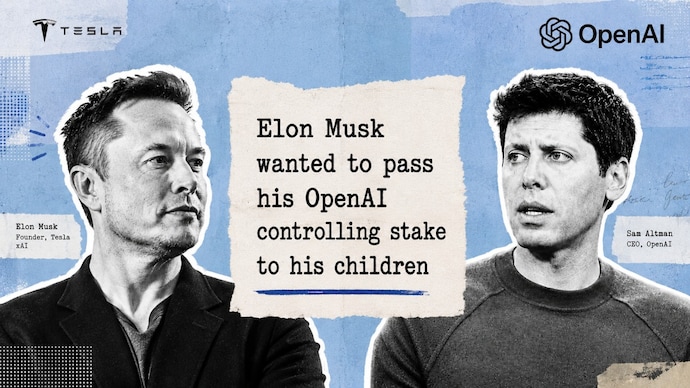
Elon Musk wanted to build OpenAI for his children — OpenAI CEO Sam Altman, who took to the witness stand today in the OpenAI trial, used this claim to argue that Musk had previously pushed for centralised control over OpenAI, despite now criticising the company for moving away from its original non-profit mission. Altman said that Elon Musk once wanted a controlling stake in OpenAI and had even discussed the possibility of passing that control to his children in the future.
Altman’s appearance was among the most anticipated testimonies of the three-week trial. The testimony is significant because Musk’s lawsuit accuses OpenAI of becoming too commercially driven and too closely aligned with Microsoft. Altman’s statements, however, attempt to show that Musk himself had once wanted substantial personal influence over the organization before leaving the company in 2018.
Altman says Musk’s control plans made cofounders uncomfortable
Under direct examination by William Savitt, OpenAI’s lead defense counsel, Sam Altman described discussions with Elon Musk regarding Musk’s potential stake in a for-profit OpenAI affiliate.
Altman said the idea of giving Musk a long-term controlling stake in OpenAI made him “extremely uncomfortable,” adding that his cofounders shared the same concerns.
According to Altman, when the cofounders asked Musk what would happen to his controlling stake if he died, Musk’s response was unsatisfactory. Altman testified that Musk suggested his controlling shares and voting power could perhaps pass to his children.
Altman also said Musk’s departure from OpenAI became a “morale boost” for some researchers who had been “demotivated” by Musk’s tough management tactics.
Musk does not know about to run research lab
Sam Altman testified that, at one point, Elon Musk instructed Greg Brockman and Ilya Sutskever, another OpenAI cofounder, to rank researchers and fire many of them. According to Altman, the move caused damage to the company.
“I don’t think Mr. Musk understood how to run a good research lab,” Altman testified.
Tesla does not have mission of OpenAI
Some witnesses, including Shivon Zilis, have also reportedly confirmed that Elon Musk wanted to merge OpenAI with Tesla.
During the proceedings today, Savitt presented November 2017 messages from Sam Teller, then a Musk employee, who told Altman that Musk “remains very open” to him joining Tesla’s board.
Altman testified that he interpreted the message as a warning that Musk would build AI inside Tesla with or without OpenAI’s participation. He said he had serious concerns about “the Tesla path.”
“Tesla is a car company, and it does not have the mission of OpenAI,” Altman testified.
Altman added that joining Tesla would have destroyed OpenAI’s ability to pursue its mission. The merger, he said, might have “maybe destroyed” the nonprofit entirely.
Sam Altman was examined by OpenAI’s own legal team, meaning Musk’s lawyers will now have the opportunity to cross-examine him following the direct examination.
Background of the case
At the heart of the case is the growing legal battle between Elon Musk and Sam Altman over OpenAI’s transformation from a nonprofit into a for-profit company. Musk argues that OpenAI was originally created as a nonprofit organization focused on benefiting humanity, almost like a public-interest mission. According to him, the company’s later shift toward a profit-driven structure violated that original commitment and allowed those leading the company to enrich themselves unfairly.
OpenAI’s leadership, including Altman, strongly disputes those claims. They argue that the move toward a for-profit structure was necessary to secure the enormous funding required to develop advanced AI systems. In their view, the transition was driven by the need to scale OpenAI’s mission and remain competitive, rather than by personal financial gain.
Elon Musk wanted to build OpenAI for his children — OpenAI CEO Sam Altman, who took to the witness stand today in the OpenAI trial, used this claim to argue that Musk had previously pushed for centralised control over OpenAI, despite now criticising the company for moving away from its original non-profit mission. Altman said that Elon Musk once wanted a controlling stake in OpenAI and had even discussed the possibility of passing that control to his children in the future.
Altman’s appearance was among the most anticipated testimonies of the three-week trial. The testimony is significant because Musk’s lawsuit accuses OpenAI of becoming too commercially driven and too closely aligned with Microsoft. Altman’s statements, however, attempt to show that Musk himself had once wanted substantial personal influence over the organization before leaving the company in 2018.
Altman says Musk’s control plans made cofounders uncomfortable
Under direct examination by William Savitt, OpenAI’s lead defense counsel, Sam Altman described discussions with Elon Musk regarding Musk’s potential stake in a for-profit OpenAI affiliate.
Altman said the idea of giving Musk a long-term controlling stake in OpenAI made him “extremely uncomfortable,” adding that his cofounders shared the same concerns.
According to Altman, when the cofounders asked Musk what would happen to his controlling stake if he died, Musk’s response was unsatisfactory. Altman testified that Musk suggested his controlling shares and voting power could perhaps pass to his children.
Altman also said Musk’s departure from OpenAI became a “morale boost” for some researchers who had been “demotivated” by Musk’s tough management tactics.
Musk does not know about to run research lab
Sam Altman testified that, at one point, Elon Musk instructed Greg Brockman and Ilya Sutskever, another OpenAI cofounder, to rank researchers and fire many of them. According to Altman, the move caused damage to the company.
“I don’t think Mr. Musk understood how to run a good research lab,” Altman testified.
Tesla does not have mission of OpenAI
Some witnesses, including Shivon Zilis, have also reportedly confirmed that Elon Musk wanted to merge OpenAI with Tesla.
During the proceedings today, Savitt presented November 2017 messages from Sam Teller, then a Musk employee, who told Altman that Musk “remains very open” to him joining Tesla’s board.
Altman testified that he interpreted the message as a warning that Musk would build AI inside Tesla with or without OpenAI’s participation. He said he had serious concerns about “the Tesla path.”
“Tesla is a car company, and it does not have the mission of OpenAI,” Altman testified.
Altman added that joining Tesla would have destroyed OpenAI’s ability to pursue its mission. The merger, he said, might have “maybe destroyed” the nonprofit entirely.
Sam Altman was examined by OpenAI’s own legal team, meaning Musk’s lawyers will now have the opportunity to cross-examine him following the direct examination.
Background of the case
At the heart of the case is the growing legal battle between Elon Musk and Sam Altman over OpenAI’s transformation from a nonprofit into a for-profit company. Musk argues that OpenAI was originally created as a nonprofit organization focused on benefiting humanity, almost like a public-interest mission. According to him, the company’s later shift toward a profit-driven structure violated that original commitment and allowed those leading the company to enrich themselves unfairly.
OpenAI’s leadership, including Altman, strongly disputes those claims. They argue that the move toward a for-profit structure was necessary to secure the enormous funding required to develop advanced AI systems. In their view, the transition was driven by the need to scale OpenAI’s mission and remain competitive, rather than by personal financial gain.

