IVF shock for UK families, wrong sperm claims linked to Northern Cyprus clinics
Exclusive BBC investigation uncovers donor sperm mix-ups at Northern Cyprus IVF clinics, raising patient safety concerns.
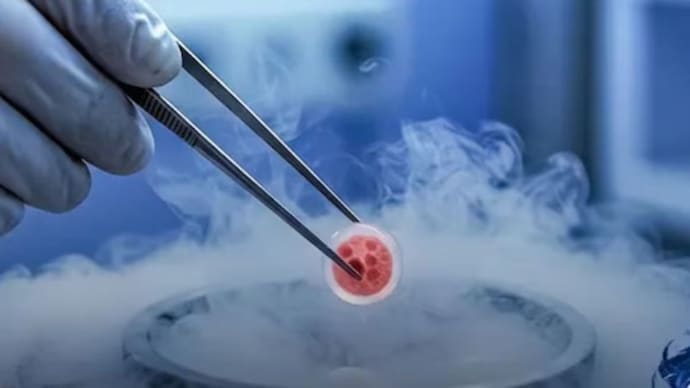
A British family has accused an IVF treatment clinic in Northern Cyprus of providing them with incorrect donor sperm, an investigative report by the BBC reveals. The members, Laura and Beth, who decided to start a family nearly 15 years back, discovered through DNA testing that the sperm used to conceive their children was not from the donors they had originally selected, after a decade of having their second child.
Laura and Beth, who had two children conceived via IVF at the Dogus IVF Centre, had chosen a Danish sperm donor referred to as Finn. They requested the same donor for both children to ensure biological relations. However, after their second child, James, was born, physical differences raised concerns, leading to DNA tests that revealed the children were not related to the chosen donor or to each other.
After the allegations came to light, the BBC spoke to seven families who suspect that incorrect sperm or egg donors were used during IVF treatments at clinics in Northern Cyprus. Most of these families conducted commercial DNA tests, which confirmed their fears.
BREACH OF TRUST
Laura and Beth initially trusted the Dogus clinic, attracted by its connection to Cryos International, a Danish sperm bank. The clinic’s patient coordinator assured them that the donor sperm was imported from Cryos and that the donor had undergone health and psychological screenings. Despite this, the clinic failed to provide the requested donor sperm for their children, according to DNA results and the parents’ accounts.
Attempts to clarify the situation with the clinic’s staff, including doctor Firdevs Uguz Tip and patient coordinator Julie Hodson, were unsuccessful. Firdevs denied responsibility for ordering sperm and questioned the reliability of the families’ DNA tests. She also said that she did not perform IVF treatments during the period when Laura and Beth were patients, contradicting information previously available from the clinic.
Further DNA testing, accredited for use in British courts, confirmed that Laura and Beth’s children are not biologically related and were conceived from different donors. Forensic genetics expert Professor Denise Syndercombe Court reviewed the evidence and deemed it unlikely that the children were related to the chosen donor. Other families treated by the same medical team have reported similar concerns.
Laura and Beth are not alone in accusing the clinic of breaching their trust. Two more families, who also went through the IVF treatment from the same clinic, also alleged that the clinic did not provide correct donor sperm, the BBC report tells.
NOT OCCURRED IN COMPANY'S 45-YEAR-OLD HISTORY, SAYS CEO
Cryos International’s CEO acknowledged the possibility of human error but stated that no such mistakes had been recorded in the company’s 45-year history. Fertility specialists consulted by the BBC described the situation as highly unusual and suggested that repeated errors of this nature could indicate negligence or deception. Northern Cyprus lacks an independent fertility regulator, unlike the UK, which experts say contributes to the risks faced by patients seeking treatment there.
The families affected continue to cope with the emotional impact of these revelations. Laura and Beth remain committed to their children, emphasising that family bonds extend beyond biology. The BBC investigation highlights concerns about regulation and patient safety in overseas fertility clinics and provides contact information for those affected to reach out for support.
Northern Cyprus is a popular destination for British fertility patients due to lower costs, a wide selection of anonymous donors, and procedures unavailable in the UK, such as non-medical sex selection. However, regulation is limited, and the territory’s Ministry of Health has not responded to enquiries regarding these issues.
A British family has accused an IVF treatment clinic in Northern Cyprus of providing them with incorrect donor sperm, an investigative report by the BBC reveals. The members, Laura and Beth, who decided to start a family nearly 15 years back, discovered through DNA testing that the sperm used to conceive their children was not from the donors they had originally selected, after a decade of having their second child.
Laura and Beth, who had two children conceived via IVF at the Dogus IVF Centre, had chosen a Danish sperm donor referred to as Finn. They requested the same donor for both children to ensure biological relations. However, after their second child, James, was born, physical differences raised concerns, leading to DNA tests that revealed the children were not related to the chosen donor or to each other.
After the allegations came to light, the BBC spoke to seven families who suspect that incorrect sperm or egg donors were used during IVF treatments at clinics in Northern Cyprus. Most of these families conducted commercial DNA tests, which confirmed their fears.
BREACH OF TRUST
Laura and Beth initially trusted the Dogus clinic, attracted by its connection to Cryos International, a Danish sperm bank. The clinic’s patient coordinator assured them that the donor sperm was imported from Cryos and that the donor had undergone health and psychological screenings. Despite this, the clinic failed to provide the requested donor sperm for their children, according to DNA results and the parents’ accounts.
Attempts to clarify the situation with the clinic’s staff, including doctor Firdevs Uguz Tip and patient coordinator Julie Hodson, were unsuccessful. Firdevs denied responsibility for ordering sperm and questioned the reliability of the families’ DNA tests. She also said that she did not perform IVF treatments during the period when Laura and Beth were patients, contradicting information previously available from the clinic.
Further DNA testing, accredited for use in British courts, confirmed that Laura and Beth’s children are not biologically related and were conceived from different donors. Forensic genetics expert Professor Denise Syndercombe Court reviewed the evidence and deemed it unlikely that the children were related to the chosen donor. Other families treated by the same medical team have reported similar concerns.
Laura and Beth are not alone in accusing the clinic of breaching their trust. Two more families, who also went through the IVF treatment from the same clinic, also alleged that the clinic did not provide correct donor sperm, the BBC report tells.
NOT OCCURRED IN COMPANY'S 45-YEAR-OLD HISTORY, SAYS CEO
Cryos International’s CEO acknowledged the possibility of human error but stated that no such mistakes had been recorded in the company’s 45-year history. Fertility specialists consulted by the BBC described the situation as highly unusual and suggested that repeated errors of this nature could indicate negligence or deception. Northern Cyprus lacks an independent fertility regulator, unlike the UK, which experts say contributes to the risks faced by patients seeking treatment there.
The families affected continue to cope with the emotional impact of these revelations. Laura and Beth remain committed to their children, emphasising that family bonds extend beyond biology. The BBC investigation highlights concerns about regulation and patient safety in overseas fertility clinics and provides contact information for those affected to reach out for support.
Northern Cyprus is a popular destination for British fertility patients due to lower costs, a wide selection of anonymous donors, and procedures unavailable in the UK, such as non-medical sex selection. However, regulation is limited, and the territory’s Ministry of Health has not responded to enquiries regarding these issues.

