Children, needles, and a deadly lapse: Inside Pakistan hospital linked to HIV outbreak
An undercover investigation by the BBC documents how children in Taunsa, Punjab province, may have been exposed to HIV through contaminated injections, with families alleging negligence at the Tehsil Headquarters (THQ) Hospital.
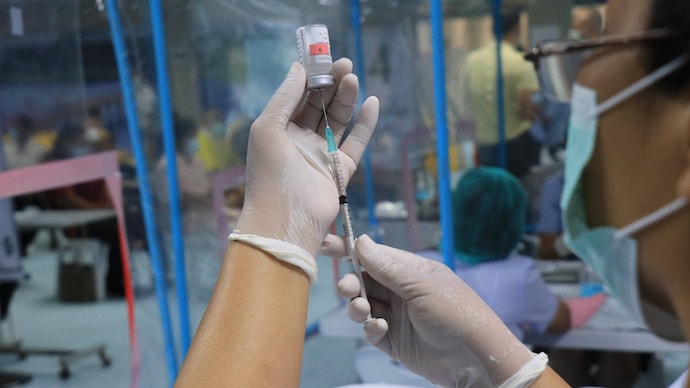
A shocking undercover investigation has found that a government hospital in Pakistan, linked to a major HIV outbreak among children, continued unsafe medical practices months after authorities promised action.
The report by the BBC, based on hours of video footage filmed inside Tehsil Headquarters (THQ) Hospital in Taunsa, shows repeated violations of basic safety protocols, raising serious concerns about how hundreds of children may have been exposed to the virus.
OUTBREAK TRACED TO INJECTION PRACTICES
Mohammed Amin, an eight-year-old, died shortly after testing positive for HIV. His family said his final days were marked by severe pain and relentless fever. Not long after, his sister Asma was also diagnosed with the virus.
The family believes both children contracted HIV during routine treatment at the same hospital, allegedly through contaminated syringes.
According to the BBC investigation, at least 331 children in Taunsa tested positive for HIV between November 2024 and October 2025. Analysis of affected families points away from mother-to-child transmission. Of the 97 affected families tested, only four mothers were found to be HIV-positive.
Mohammed and Asma’s mother also tested negative, reinforcing concerns that unsafe medical practices may have played a central role in the outbreak.
A provincial screening programme listed “contaminated needles” as the mode of transmission in more than half the cases.
FOOTAGE REVEALS REUSE OF SYRINGES
During 32 hours of undercover filming in late 2025, BBC journalists documented repeated violations of basic infection control protocols at THQ Taunsa.
Syringes were seen being reused on multi-dose medicine vials, potentially contaminating the contents. In some instances, the same vial was then used to treat multiple children, raising the risk of virus transmission.
Medical experts reviewing the footage warned that even replacing the needle does not eliminate the risk if the syringe body remains contaminated.
The investigation also recorded staff administering injections without sterile gloves dozens of times, and handling medical waste improperly – practices that violate established safety norms.
OFFICIAL DENIALS AND GOVERNMENT RESPONSE
Despite the evidence, the hospital’s current medical superintendent denied wrongdoing, questioning the authenticity of the footage and insisting the facility was safe.
Earlier, in March 2025, authorities had suspended the then medical superintendent following initial reports of the outbreak and promised a crackdown. However, the BBC found that unsafe practices persisted months later.
A joint review by the World Health Organisation (WHO) and UNICEF also flagged serious lapses in infection control in local health facilities, including reuse of intravenous equipment and poor hygiene conditions.
While the government has said no conclusive epidemiological evidence links the hospital directly to the outbreak, it acknowledged broader risks, including unregulated private practices and unsafe blood transfusions.
SYSTEMIC FAILURES AND RECURRING PATTERN
Health experts say the crisis reflects deeper systemic issues in Pakistan’s healthcare system, including overuse of injections, lack of training, and shortages of medical supplies.
Pakistan has one of the highest rates of therapeutic injections globally, many of them medically unnecessary. Doctors often face pressure from patients who demand injections, while limited supplies in public hospitals can lead to dangerous shortcuts.
Similar outbreaks have occurred before. In 2019, hundreds of children in Ratodero, Sindh, tested positive for HIV under comparable circumstances, with infections linked to unsafe medical practices.
HUMAN COST AND STIGMA
For families, the consequences are devastating. Asma, now living with HIV, faces lifelong treatment and social isolation due to the stigma surrounding the disease.
Her family says neighbours often keep their children away from her, leaving Asma alone and asking her mother what is wrong with her.
Yet, standing by her brother’s grave, Asma speaks of a future she still wants to build. She studies hard, she says, because one day she hopes to become a doctor.
A shocking undercover investigation has found that a government hospital in Pakistan, linked to a major HIV outbreak among children, continued unsafe medical practices months after authorities promised action.
The report by the BBC, based on hours of video footage filmed inside Tehsil Headquarters (THQ) Hospital in Taunsa, shows repeated violations of basic safety protocols, raising serious concerns about how hundreds of children may have been exposed to the virus.
OUTBREAK TRACED TO INJECTION PRACTICES
Mohammed Amin, an eight-year-old, died shortly after testing positive for HIV. His family said his final days were marked by severe pain and relentless fever. Not long after, his sister Asma was also diagnosed with the virus.
The family believes both children contracted HIV during routine treatment at the same hospital, allegedly through contaminated syringes.
According to the BBC investigation, at least 331 children in Taunsa tested positive for HIV between November 2024 and October 2025. Analysis of affected families points away from mother-to-child transmission. Of the 97 affected families tested, only four mothers were found to be HIV-positive.
Mohammed and Asma’s mother also tested negative, reinforcing concerns that unsafe medical practices may have played a central role in the outbreak.
A provincial screening programme listed “contaminated needles” as the mode of transmission in more than half the cases.
FOOTAGE REVEALS REUSE OF SYRINGES
During 32 hours of undercover filming in late 2025, BBC journalists documented repeated violations of basic infection control protocols at THQ Taunsa.
Syringes were seen being reused on multi-dose medicine vials, potentially contaminating the contents. In some instances, the same vial was then used to treat multiple children, raising the risk of virus transmission.
Medical experts reviewing the footage warned that even replacing the needle does not eliminate the risk if the syringe body remains contaminated.
The investigation also recorded staff administering injections without sterile gloves dozens of times, and handling medical waste improperly – practices that violate established safety norms.
OFFICIAL DENIALS AND GOVERNMENT RESPONSE
Despite the evidence, the hospital’s current medical superintendent denied wrongdoing, questioning the authenticity of the footage and insisting the facility was safe.
Earlier, in March 2025, authorities had suspended the then medical superintendent following initial reports of the outbreak and promised a crackdown. However, the BBC found that unsafe practices persisted months later.
A joint review by the World Health Organisation (WHO) and UNICEF also flagged serious lapses in infection control in local health facilities, including reuse of intravenous equipment and poor hygiene conditions.
While the government has said no conclusive epidemiological evidence links the hospital directly to the outbreak, it acknowledged broader risks, including unregulated private practices and unsafe blood transfusions.
SYSTEMIC FAILURES AND RECURRING PATTERN
Health experts say the crisis reflects deeper systemic issues in Pakistan’s healthcare system, including overuse of injections, lack of training, and shortages of medical supplies.
Pakistan has one of the highest rates of therapeutic injections globally, many of them medically unnecessary. Doctors often face pressure from patients who demand injections, while limited supplies in public hospitals can lead to dangerous shortcuts.
Similar outbreaks have occurred before. In 2019, hundreds of children in Ratodero, Sindh, tested positive for HIV under comparable circumstances, with infections linked to unsafe medical practices.
HUMAN COST AND STIGMA
For families, the consequences are devastating. Asma, now living with HIV, faces lifelong treatment and social isolation due to the stigma surrounding the disease.
Her family says neighbours often keep their children away from her, leaving Asma alone and asking her mother what is wrong with her.
Yet, standing by her brother’s grave, Asma speaks of a future she still wants to build. She studies hard, she says, because one day she hopes to become a doctor.

