Trump enters high-stakes White House meeting on final decision on Iran deal
Trump signalled that the US naval blockade linked to the Strait of Hormuz could be lifted under a potential deal with Iran, while Tehran maintained that any reopening of the strategic waterway would be governed by its own conditions and operational control.
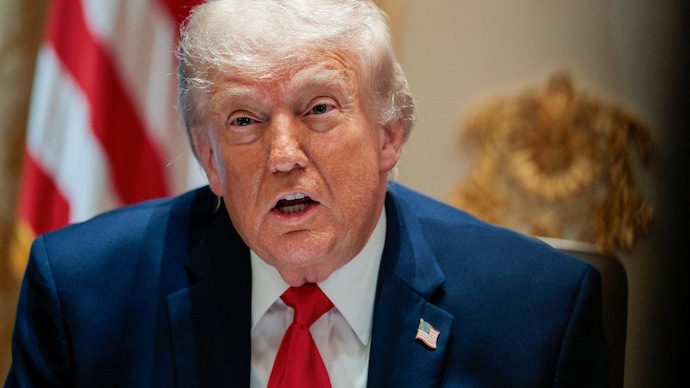
US President Donald Trump on Friday claimed that the American naval blockade in the Strait of Hormuz would be lifted as part of a possible understanding with Iran, even as Tehran quickly signalled that any reopening of the crucial shipping route would come under its own conditions and oversight.
A potential breakthrough between Washington and Tehran now appears to hinge on a final decision from Trump, who announced on Truth Social that he was heading to the White House Situation Room to determine the future of negotiations with Iran.
“I will be meeting now, in the Situation Room, to make a final determination,” Trump wrote, indicating that talks may have reached a decisive stage.
In the post, Trump outlined key conditions that could form the basis of a possible agreement. He said Iran must commit to never developing a “Nuclear Weapon or Bomb” and reopen the Strait of Hormuz to unrestricted commercial shipping without tolls.
Trump also claimed that naval blockades imposed in the region would be lifted and that ships stranded in the Strait could begin returning home.
Minutes after Trump’s statement, Iran indicated that any reopening of the Strait of Hormuz following the lifting of the US blockade would take place strictly under Tehran’s own pre-determined arrangements.
According to Iran’s Fars News Agency, those arrangements could include vessel monitoring and inspections, maritime service regulations and enhanced security measures, signalling Tehran’s intention to maintain operational control over one of the world’s most strategically important trade routes.
Additionally, an Iranian source told Reuters that claims about Iran transferring its highly enriched uranium stockpile are false. The source said the proposed US-Iran MOU does not cover nuclear issues and added that although a political understanding has been reached, it is yet to be finalised.
The developments came as details emerged suggesting that the proposed framework would require Iran to permanently abandon any ambition to develop nuclear weapons and allow its highly enriched uranium stockpile to be destroyed under international supervision.
Trump further said that enriched nuclear material buried beneath sites targeted in last year’s strikes on Iran’s nuclear facilities would be “unearthed” by the United States in coordination with Iran and the International Atomic Energy Agency before being destroyed.
“No money will be exchanged, until further notice,” Trump added, while claiming that “other items, of far less importance, have been agreed to.”
Even as negotiations appeared to advance, Iranian officials maintained a defiant tone amid rising tensions with Washington and highlighted Tehran’s close ties with regional allies, including Oman, which has recently come under criticism from Trump.
At a Cabinet meeting on Wednesday, Trump warned that “Oman will behave just like everybody else, or we’ll have to blow them up.” A day later, US Treasury Secretary Scott Bessent said Washington would “aggressively target” any entity involved in facilitating tolls through the Strait of Hormuz, a vital artery for global oil shipments.
Reports suggest Oman has been discussing with Iran the possibility of charging vessels transiting the Strait, which has faced repeated disruption threats since the conflict began.
Iranian Parliament Speaker Mohammad Bagher Ghalibaf also struck a combative tone in a post on X, saying Iran secures concessions “not through dialogue, but with missiles.”
“We have no trust in guarantees or words — only actions are the measure. No action will be taken before the other side acts,” the post said, adding that “the winner of any agreement is the one who is better prepared for war from the day after.”
Iranian Foreign Minister Abbas Araghchi later said on X that he had spoken with his Omani counterpart and conveyed Iran’s solidarity with Oman “in face of any threat.”
US President Donald Trump on Friday claimed that the American naval blockade in the Strait of Hormuz would be lifted as part of a possible understanding with Iran, even as Tehran quickly signalled that any reopening of the crucial shipping route would come under its own conditions and oversight.
A potential breakthrough between Washington and Tehran now appears to hinge on a final decision from Trump, who announced on Truth Social that he was heading to the White House Situation Room to determine the future of negotiations with Iran.
“I will be meeting now, in the Situation Room, to make a final determination,” Trump wrote, indicating that talks may have reached a decisive stage.
In the post, Trump outlined key conditions that could form the basis of a possible agreement. He said Iran must commit to never developing a “Nuclear Weapon or Bomb” and reopen the Strait of Hormuz to unrestricted commercial shipping without tolls.
Trump also claimed that naval blockades imposed in the region would be lifted and that ships stranded in the Strait could begin returning home.
Minutes after Trump’s statement, Iran indicated that any reopening of the Strait of Hormuz following the lifting of the US blockade would take place strictly under Tehran’s own pre-determined arrangements.
According to Iran’s Fars News Agency, those arrangements could include vessel monitoring and inspections, maritime service regulations and enhanced security measures, signalling Tehran’s intention to maintain operational control over one of the world’s most strategically important trade routes.
Additionally, an Iranian source told Reuters that claims about Iran transferring its highly enriched uranium stockpile are false. The source said the proposed US-Iran MOU does not cover nuclear issues and added that although a political understanding has been reached, it is yet to be finalised.
The developments came as details emerged suggesting that the proposed framework would require Iran to permanently abandon any ambition to develop nuclear weapons and allow its highly enriched uranium stockpile to be destroyed under international supervision.
Trump further said that enriched nuclear material buried beneath sites targeted in last year’s strikes on Iran’s nuclear facilities would be “unearthed” by the United States in coordination with Iran and the International Atomic Energy Agency before being destroyed.
“No money will be exchanged, until further notice,” Trump added, while claiming that “other items, of far less importance, have been agreed to.”
Even as negotiations appeared to advance, Iranian officials maintained a defiant tone amid rising tensions with Washington and highlighted Tehran’s close ties with regional allies, including Oman, which has recently come under criticism from Trump.
At a Cabinet meeting on Wednesday, Trump warned that “Oman will behave just like everybody else, or we’ll have to blow them up.” A day later, US Treasury Secretary Scott Bessent said Washington would “aggressively target” any entity involved in facilitating tolls through the Strait of Hormuz, a vital artery for global oil shipments.
Reports suggest Oman has been discussing with Iran the possibility of charging vessels transiting the Strait, which has faced repeated disruption threats since the conflict began.
Iranian Parliament Speaker Mohammad Bagher Ghalibaf also struck a combative tone in a post on X, saying Iran secures concessions “not through dialogue, but with missiles.”
“We have no trust in guarantees or words — only actions are the measure. No action will be taken before the other side acts,” the post said, adding that “the winner of any agreement is the one who is better prepared for war from the day after.”
Iranian Foreign Minister Abbas Araghchi later said on X that he had spoken with his Omani counterpart and conveyed Iran’s solidarity with Oman “in face of any threat.”

