Picture abhi baki hai: Iran's Bollywood-style warning to US on Hormuz
Iran issued a Bollywood-style warning to the US amid Hormuz blockage, saying 'Abhi toh sirf trailer hai, picture abhi baaki hai'.
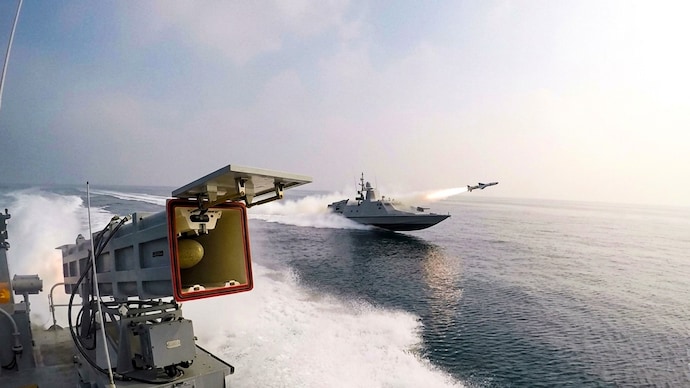
As tensions spike in West Asia amid the US naval blockade of the Strait of Hormuz and Iran’s warnings of retaliation, Tehran delivered a Bollywood-style retort to Washington on Tuesday. “Abhi toh sirf trailer hai, picture abhi baaki hai,” Iran’s Consulate in Mumbai posted on social media while sharing a video showcasing the country’s naval capabilities, particularly its fleet of fast missile boats operating in the Persian Gulf.
"'Red bees of the Persian Gulf' yeah, the fast missile boats are warming up. Funny how Trump kept claiming Iran’s navy was 'finished' now they’re about to find out how a swarm can pin you down real quick," the Consulate wrote on X, referencing the famous dialogue from Shah Rukh Khan-starrer Om Shanti Om: “Abhi toh sirf trailer hai, picture abhi baaki hai” (It’s only the trailer so far, the full movie is yet to come).
The warning comes amid a major escalation in West Asia after the Donald Trump administration enforced a naval blockade targeting Iranian ports and maritime traffic through the strategically crucial Strait of Hormuz. The move came after peace talks in Islamabad between Tehran and Washington collapsed without any breakthrough toward a long-term agreement.
While Donald Trump has threatened to strike any Iranian vessels attempting to facilitate passage through the Strait, Tehran has warned of severe retaliation in the event of any US escalation, with tensions persisting despite both sides agreeing to a temporary ceasefire.
Trump on Monday said Iran's control of the strait amounted to blackmail and extortion as the US blockade took effect. He said in a social media post that Iran’s navy had been "completely obliterated" but still had "fast attack ships".
He warned that "if any of these ships come anywhere close to our BLOCKADE, they will be immediately ELIMINATED".
Iran threatened to retaliate against Persian Gulf ports if attacked. "If you fight, we will fight," Iran's parliamentary speaker, Mohammad Bagher Qalibaf said in a statement addressed to Trump.
The blockade intended to pressure Iran, applied to vessels going to and from Iranian ports. It restricted the passage of the few ships that Tehran considers friendly, which have been permitted to traverse the Strait of Hormuz as Iran has curtailed maritime traffic since the start of the war.
Both the nature of enforcement and the extent to which ships will comply remained unclear during its first full day in effect on Tuesday.
Iran has exported millions of barrels of oil, mostly to Asia, since the war began. Much of it has likely been carried by so-called dark transits that evade sanctions and oversight, providing cash flow vital to keeping the country running.
Iran’s effective closure of the strait, through which a fifth of global oil transits in peacetime, has sent oil prices skyrocketing, pushing up the cost of gasoline, food and other basic goods far beyond West Asia.
As tensions spike in West Asia amid the US naval blockade of the Strait of Hormuz and Iran’s warnings of retaliation, Tehran delivered a Bollywood-style retort to Washington on Tuesday. “Abhi toh sirf trailer hai, picture abhi baaki hai,” Iran’s Consulate in Mumbai posted on social media while sharing a video showcasing the country’s naval capabilities, particularly its fleet of fast missile boats operating in the Persian Gulf.
"'Red bees of the Persian Gulf' yeah, the fast missile boats are warming up. Funny how Trump kept claiming Iran’s navy was 'finished' now they’re about to find out how a swarm can pin you down real quick," the Consulate wrote on X, referencing the famous dialogue from Shah Rukh Khan-starrer Om Shanti Om: “Abhi toh sirf trailer hai, picture abhi baaki hai” (It’s only the trailer so far, the full movie is yet to come).
The warning comes amid a major escalation in West Asia after the Donald Trump administration enforced a naval blockade targeting Iranian ports and maritime traffic through the strategically crucial Strait of Hormuz. The move came after peace talks in Islamabad between Tehran and Washington collapsed without any breakthrough toward a long-term agreement.
While Donald Trump has threatened to strike any Iranian vessels attempting to facilitate passage through the Strait, Tehran has warned of severe retaliation in the event of any US escalation, with tensions persisting despite both sides agreeing to a temporary ceasefire.
Trump on Monday said Iran's control of the strait amounted to blackmail and extortion as the US blockade took effect. He said in a social media post that Iran’s navy had been "completely obliterated" but still had "fast attack ships".
He warned that "if any of these ships come anywhere close to our BLOCKADE, they will be immediately ELIMINATED".
Iran threatened to retaliate against Persian Gulf ports if attacked. "If you fight, we will fight," Iran's parliamentary speaker, Mohammad Bagher Qalibaf said in a statement addressed to Trump.
The blockade intended to pressure Iran, applied to vessels going to and from Iranian ports. It restricted the passage of the few ships that Tehran considers friendly, which have been permitted to traverse the Strait of Hormuz as Iran has curtailed maritime traffic since the start of the war.
Both the nature of enforcement and the extent to which ships will comply remained unclear during its first full day in effect on Tuesday.
Iran has exported millions of barrels of oil, mostly to Asia, since the war began. Much of it has likely been carried by so-called dark transits that evade sanctions and oversight, providing cash flow vital to keeping the country running.
Iran’s effective closure of the strait, through which a fifth of global oil transits in peacetime, has sent oil prices skyrocketing, pushing up the cost of gasoline, food and other basic goods far beyond West Asia.

