Lebanon seeks ceasefire with Israel, opens direct talks track separate from Iran
The diplomatic push comes as Lebanon and Israel's ambassadors to the United States are set to meet in Washington on Tuesday to explore a ceasefire announcement and outline a roadmap for formal negotiations.
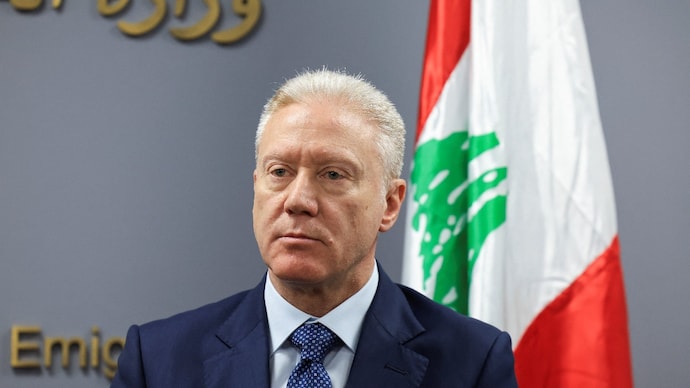
Lebanon is pursuing a ceasefire agreement with Israel through direct negotiations, Foreign Minister Youssef Rajji said, signalling a shift towards an independent diplomatic track distinct from Iran-linked regional dynamics, Al Jazeera reported.
Rajji said the move to engage Israel directly has effectively created a “separate Lebanese track”, indicating Beirut’s intent to decouple its negotiations from broader geopolitical developments involving Iran.
The remarks come as Lebanon and Israel prepare to take initial steps towards formal engagement. Officials from both sides are expected to meet in Washington on Tuesday after their ambassadors to the United States held a first phone call to discuss a possible ceasefire announcement and outline a timeline for talks.
CEASEFIRE PUSH AMID EARLY DIPLOMATIC CONTACT
According to the Lebanese presidency, the proposed meeting is aimed at advancing a ceasefire framework, which Beirut considers a prerequisite for sustained dialogue. A senior presidency official reiterated that negotiations can only proceed once hostilities are halted.
On the Israeli side, its ambassador to Washington confirmed that “formal peace negotiations” would begin with Lebanon, but maintained that Israel would not discuss a ceasefire with Hezbollah.
Israeli Prime Minister Benjamin Netanyahu has authorised direct talks, citing what he described as repeated requests from the Lebanese government, marking a potential diplomatic opening despite deep differences.
ISRAEL EXPANDS GROUND OFFENSIVE IN BINT JBEIL
Even as diplomatic efforts take shape, Israel’s military said on Monday that its troops have surrounded Hezbollah infrastructure and launched ground operations in and around the strategic southern town of Bint Jbeil, claiming more than 100 Hezbollah fighters have been killed.
Hezbollah has not confirmed any casualties, and Israel has not reported fatalities among its own forces. The group also did not immediately comment on the latest Israeli claims.
A day earlier, Hezbollah said it carried out at least five attacks on Israeli troops in Bint Jbeil and nearby areas using rockets, artillery and explosive drones. It claimed Israeli forces were positioned near civilian sites, including a school, a hospital and a central junction. Israel said it targeted Hezbollah fighters in response.
Bint Jbeil, located just over two miles from the UN-demarcated Blue Line, is considered strategically significant due to its proximity to the border and its role as a Hezbollah stronghold.
POSITIONS HARDEN OVER CEASEFIRE TERMS
Lebanon has maintained that a ceasefire is essential before any meaningful negotiations can begin. Israeli officials, however, have signalled readiness for talks while ruling out engaging Hezbollah on a ceasefire, highlighting a key sticking point.
The conflict risks widening amid escalating tensions between the United States and Iran. Analysts warn that a US blockade of Iranian ports could trigger retaliation by Iran-backed Houthi rebels in Yemen, potentially disrupting traffic through the Bab el-Mandeb Strait.
Ahmed Nagi of the International Crisis Group said such escalation could add “another layer” of pressure on global shipping if attacks intensify in the vital maritime corridor.
Lebanon is pursuing a ceasefire agreement with Israel through direct negotiations, Foreign Minister Youssef Rajji said, signalling a shift towards an independent diplomatic track distinct from Iran-linked regional dynamics, Al Jazeera reported.
Rajji said the move to engage Israel directly has effectively created a “separate Lebanese track”, indicating Beirut’s intent to decouple its negotiations from broader geopolitical developments involving Iran.
The remarks come as Lebanon and Israel prepare to take initial steps towards formal engagement. Officials from both sides are expected to meet in Washington on Tuesday after their ambassadors to the United States held a first phone call to discuss a possible ceasefire announcement and outline a timeline for talks.
CEASEFIRE PUSH AMID EARLY DIPLOMATIC CONTACT
According to the Lebanese presidency, the proposed meeting is aimed at advancing a ceasefire framework, which Beirut considers a prerequisite for sustained dialogue. A senior presidency official reiterated that negotiations can only proceed once hostilities are halted.
On the Israeli side, its ambassador to Washington confirmed that “formal peace negotiations” would begin with Lebanon, but maintained that Israel would not discuss a ceasefire with Hezbollah.
Israeli Prime Minister Benjamin Netanyahu has authorised direct talks, citing what he described as repeated requests from the Lebanese government, marking a potential diplomatic opening despite deep differences.
ISRAEL EXPANDS GROUND OFFENSIVE IN BINT JBEIL
Even as diplomatic efforts take shape, Israel’s military said on Monday that its troops have surrounded Hezbollah infrastructure and launched ground operations in and around the strategic southern town of Bint Jbeil, claiming more than 100 Hezbollah fighters have been killed.
Hezbollah has not confirmed any casualties, and Israel has not reported fatalities among its own forces. The group also did not immediately comment on the latest Israeli claims.
A day earlier, Hezbollah said it carried out at least five attacks on Israeli troops in Bint Jbeil and nearby areas using rockets, artillery and explosive drones. It claimed Israeli forces were positioned near civilian sites, including a school, a hospital and a central junction. Israel said it targeted Hezbollah fighters in response.
Bint Jbeil, located just over two miles from the UN-demarcated Blue Line, is considered strategically significant due to its proximity to the border and its role as a Hezbollah stronghold.
POSITIONS HARDEN OVER CEASEFIRE TERMS
Lebanon has maintained that a ceasefire is essential before any meaningful negotiations can begin. Israeli officials, however, have signalled readiness for talks while ruling out engaging Hezbollah on a ceasefire, highlighting a key sticking point.
The conflict risks widening amid escalating tensions between the United States and Iran. Analysts warn that a US blockade of Iranian ports could trigger retaliation by Iran-backed Houthi rebels in Yemen, potentially disrupting traffic through the Bab el-Mandeb Strait.
Ahmed Nagi of the International Crisis Group said such escalation could add “another layer” of pressure on global shipping if attacks intensify in the vital maritime corridor.

