Iran denies $2 million Strait of Hormuz passage fee claims amid Iran war
The Strait of Hormuz is a critical choke point for global fuel transit and has remained effectively closed since the first week of March in the wake of the ongoing war. About 20 per cent of the world's oil and liquefied natural gas (LNG) is transported through the critical shipping lane.
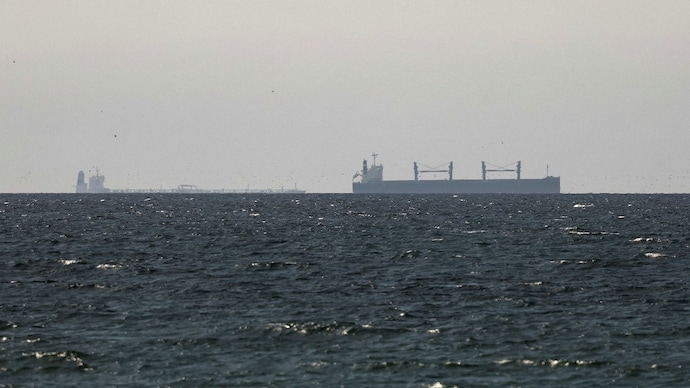
Iran has denied claims that it is charging merchant vessels up to $2 million to allow passage through the conflict-hit Strait of Hormuz, calling such reports “unfounded” and based on personal remarks.
The controversy began after Iranian lawmaker Alaeddin Boroujerdi, a member of Parliament’s national security committee, was quoted as saying that Tehran could impose transit fees on ships amid the ongoing conflict with Israel and the United States.
“War has costs, and naturally we must take transit fees from ships passing through the Strait of Hormuz,” Boroujerdi reportedly said during a television programme, describing it as an assertion of Iran’s “authority” over the strategic waterway.
However, Iranian authorities have now distanced themselves from the statement, clarifying that no such policy has been officially implemented.
STRAIT OF HORMUZ: WAR'S IMPACT
The Strait of Hormuz, a critical global energy chokepoint through which nearly 20% of the world’s oil and LNG supplies pass, has witnessed severe disruption since early March due to escalating hostilities.
Shipping activity in the region has slowed significantly, with Iran enforcing what appears to be a selective blockade. Iranian officials have maintained that restrictions apply only to vessels linked to “enemy” nations or those supporting aggression against Tehran.
There have been exceptions. Reports suggest that some Indian-flagged LPG carriers and at least one Pakistani oil tanker have been allowed safe passage. Iran had also indicated willingness to permit Japan-linked vessels, though no formal confirmation followed.
ESCALATING WAR RHETORIC
Tensions around the strait have intensified following a 48-hour ultimatum issued by US President Donald Trump, demanding that Iran fully reopen the waterway. He warned that failure to comply could result in strikes on Iranian power infrastructure.
In response, Iranian parliamentary speaker Mohammad Baqer Qalibaf threatened retaliatory attacks on critical energy infrastructure across the Middle East. The Islamic Revolutionary Guard Corps also warned that any strike on Iranian facilities would lead to a “complete closure” of the Strait of Hormuz.
Amid the rising tensions, maritime security has deteriorated. In a recent incident, explosive-laden boats reportedly attacked two fuel tankers in Iraqi waters, setting them on fire and killing one crew member, an Indian national.
TENSIONS MOUNT OVER STRAIT
The disruption in the Strait of Hormuz has already pushed fuel prices higher across global markets and raised concerns over supply chain stability. Any formal imposition of transit fees—if ever implemented—would further complicate shipping operations, especially given existing sanctions on Iran.
For now, Tehran’s official position seeks to calm fears, even as the situation on the ground remains volatile.
Iran has denied claims that it is charging merchant vessels up to $2 million to allow passage through the conflict-hit Strait of Hormuz, calling such reports “unfounded” and based on personal remarks.
The controversy began after Iranian lawmaker Alaeddin Boroujerdi, a member of Parliament’s national security committee, was quoted as saying that Tehran could impose transit fees on ships amid the ongoing conflict with Israel and the United States.
“War has costs, and naturally we must take transit fees from ships passing through the Strait of Hormuz,” Boroujerdi reportedly said during a television programme, describing it as an assertion of Iran’s “authority” over the strategic waterway.
However, Iranian authorities have now distanced themselves from the statement, clarifying that no such policy has been officially implemented.
STRAIT OF HORMUZ: WAR'S IMPACT
The Strait of Hormuz, a critical global energy chokepoint through which nearly 20% of the world’s oil and LNG supplies pass, has witnessed severe disruption since early March due to escalating hostilities.
Shipping activity in the region has slowed significantly, with Iran enforcing what appears to be a selective blockade. Iranian officials have maintained that restrictions apply only to vessels linked to “enemy” nations or those supporting aggression against Tehran.
There have been exceptions. Reports suggest that some Indian-flagged LPG carriers and at least one Pakistani oil tanker have been allowed safe passage. Iran had also indicated willingness to permit Japan-linked vessels, though no formal confirmation followed.
ESCALATING WAR RHETORIC
Tensions around the strait have intensified following a 48-hour ultimatum issued by US President Donald Trump, demanding that Iran fully reopen the waterway. He warned that failure to comply could result in strikes on Iranian power infrastructure.
In response, Iranian parliamentary speaker Mohammad Baqer Qalibaf threatened retaliatory attacks on critical energy infrastructure across the Middle East. The Islamic Revolutionary Guard Corps also warned that any strike on Iranian facilities would lead to a “complete closure” of the Strait of Hormuz.
Amid the rising tensions, maritime security has deteriorated. In a recent incident, explosive-laden boats reportedly attacked two fuel tankers in Iraqi waters, setting them on fire and killing one crew member, an Indian national.
TENSIONS MOUNT OVER STRAIT
The disruption in the Strait of Hormuz has already pushed fuel prices higher across global markets and raised concerns over supply chain stability. Any formal imposition of transit fees—if ever implemented—would further complicate shipping operations, especially given existing sanctions on Iran.
For now, Tehran’s official position seeks to calm fears, even as the situation on the ground remains volatile.

