Sri Lanka says ex-spy chief orchestrated Easter bombings that killed 279
Public Security Minister Ananda Wijepala told parliament on Wednesday that investigations had found retired Major General Tuan Suresh Sallay played a central role in planning and directing the Easter Sunday bombings carried out by Islamist extremists in April 2019.
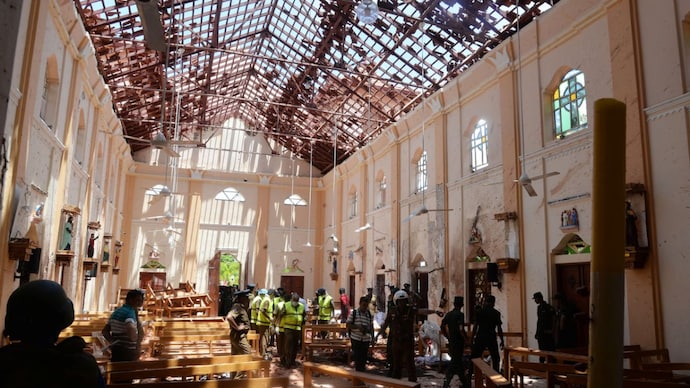
Sri Lanka's government has, for the first time, directly accused a former intelligence chief of orchestrating the devastating Easter Sunday bombings that killed 279 people six years ago.
Public Security Minister Ananda Wijepala told parliament on Wednesday that investigations had found retired Major General Tuan Suresh Sallay played a central role in planning and directing the attacks carried out by Islamist extremists in April 2019.
The allegation marks a big development in one of Sri Lanka's darkest chapters and could deepen scrutiny of top officials who held powerful positions before and after the attacks.
GOVERNMENT MAKES EXPLOSIVE CLAIM
Addressing parliament, Wijepala said investigators had uncovered evidence linking Sallay directly to the plot.
"Investigations have revealed that Retired Major General Tuan Suresh Sallay conspired with and strategically directed Islamic extremists until they carried out the attacks," the minister said.
He further alleged that Sallay had personally identified one of the churches that was later targeted.
"Just three weeks prior to the attack, Sallay met Muslim men to obtain details of the location and the congregation," Wijepala added.
The coordinated bombings struck three luxury hotels in Colombo, two Catholic churches and an evangelical church outside the capital. The attacks killed 279 people and injured hundreds more. They remain the deadliest terrorist attacks in Sri Lanka's modern history.
Sallay, who was arrested in February on allegations of aiding and abetting the attacks, has denied any role in the bombings. According to the government, he is currently being held under Sri Lanka's Prevention of Terrorism Act.
Wijepala told parliament that Sallay had been admitted to hospital after launching a hunger strike while in detention. The arrest had sparked protests in Colombo, where opposition activists have demanded his release and questioned the government's handling of the case.
PROBE CLOSES IN ON EX-PRESIDENT
The latest revelations have also drawn attention to former president Gotabaya Rajapaksa. Officials confirmed that investigators have obtained court orders preventing Rajapaksa from leaving the country while inquiries continue.
Sallay rose to prominence after Rajapaksa won the presidency in 2019. He was appointed head of Sri Lanka's State Intelligence Service shortly after Rajapaksa took office and had previously led military intelligence operations.
While investigators have not formally named Rajapaksa as a suspect, official sources told news agency APF that he could soon be questioned as part of the probe.
PAST ACCUSATIONS RESURFACE
Questions surrounding the Easter attacks have persisted for years.
In 2023, British broadcaster Channel 4 aired claims from a whistleblower who alleged that Sallay had prior contact with individuals involved in the bombings and allowed the attacks to proceed. The whistleblower alleged that the operation was intended to influence the 2019 presidential election by creating a climate of fear and insecurity.
Just two days after the bombings, Rajapaksa announced his presidential bid, campaigning on promises to defeat Islamist extremism and strengthen national security. He later won the election by a wide margin.
Sri Lanka's government has, for the first time, directly accused a former intelligence chief of orchestrating the devastating Easter Sunday bombings that killed 279 people six years ago.
Public Security Minister Ananda Wijepala told parliament on Wednesday that investigations had found retired Major General Tuan Suresh Sallay played a central role in planning and directing the attacks carried out by Islamist extremists in April 2019.
The allegation marks a big development in one of Sri Lanka's darkest chapters and could deepen scrutiny of top officials who held powerful positions before and after the attacks.
GOVERNMENT MAKES EXPLOSIVE CLAIM
Addressing parliament, Wijepala said investigators had uncovered evidence linking Sallay directly to the plot.
"Investigations have revealed that Retired Major General Tuan Suresh Sallay conspired with and strategically directed Islamic extremists until they carried out the attacks," the minister said.
He further alleged that Sallay had personally identified one of the churches that was later targeted.
"Just three weeks prior to the attack, Sallay met Muslim men to obtain details of the location and the congregation," Wijepala added.
The coordinated bombings struck three luxury hotels in Colombo, two Catholic churches and an evangelical church outside the capital. The attacks killed 279 people and injured hundreds more. They remain the deadliest terrorist attacks in Sri Lanka's modern history.
Sallay, who was arrested in February on allegations of aiding and abetting the attacks, has denied any role in the bombings. According to the government, he is currently being held under Sri Lanka's Prevention of Terrorism Act.
Wijepala told parliament that Sallay had been admitted to hospital after launching a hunger strike while in detention. The arrest had sparked protests in Colombo, where opposition activists have demanded his release and questioned the government's handling of the case.
PROBE CLOSES IN ON EX-PRESIDENT
The latest revelations have also drawn attention to former president Gotabaya Rajapaksa. Officials confirmed that investigators have obtained court orders preventing Rajapaksa from leaving the country while inquiries continue.
Sallay rose to prominence after Rajapaksa won the presidency in 2019. He was appointed head of Sri Lanka's State Intelligence Service shortly after Rajapaksa took office and had previously led military intelligence operations.
While investigators have not formally named Rajapaksa as a suspect, official sources told news agency APF that he could soon be questioned as part of the probe.
PAST ACCUSATIONS RESURFACE
Questions surrounding the Easter attacks have persisted for years.
In 2023, British broadcaster Channel 4 aired claims from a whistleblower who alleged that Sallay had prior contact with individuals involved in the bombings and allowed the attacks to proceed. The whistleblower alleged that the operation was intended to influence the 2019 presidential election by creating a climate of fear and insecurity.
Just two days after the bombings, Rajapaksa announced his presidential bid, campaigning on promises to defeat Islamist extremism and strengthen national security. He later won the election by a wide margin.

