Indians, Pakistanis taking our jobs: UK MP's racist remarks spark outrage
British MP Rupert Lowe posted a lengthy thread on X attacking Indians and Pakistanis coming to England for work. The remarks triggered a major controversy over immigration and race.
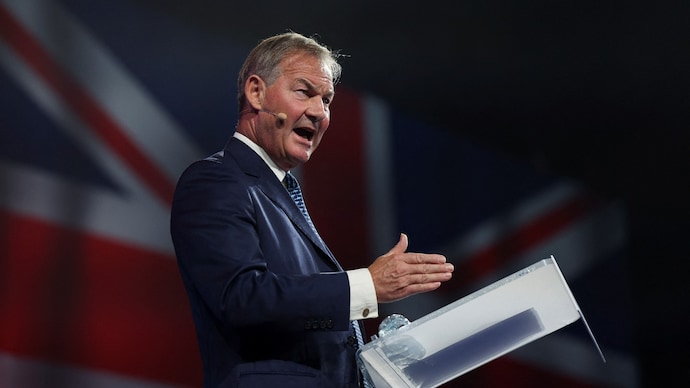
British Independent MP Rupert Lowe has sparked major controversy after posting a series of inflammatory comments targeting Indian and Pakistani immigrants in the UK, claiming they were taking jobs from British citizens and altering the country’s cultural identity. Lowe, who recently launched the right-wing political movement and party ‘Restore Britain’ after splitting from Reform UK, said he was unconcerned about being labelled racist for his remarks.
"I don't believe we should import millions of Pakistanis and Indians to do jobs that unemployed Brits should be doing. If that makes me a racist, then so be it," the MP representing the Great Yarmouth constituency in eastern England wrote in a thread of posts on X.
He further claimed that parts of north-west England had become "like being transported to a foreign country" because of immigration and accused mainstream British parties of allowing "millions of low-skilled migrants from the Third World" into the country.
In a series of posts focused heavily on Muslim communities, Lowe wrote that areas in Manchester were becoming "Islamic" and described immigration as a form of "colonisation".
He alleged that British family-run businesses had been displaced and claimed British women no longer felt comfortable in certain neighbourhoods.
He also criticised burqas, sharia courts, halal slaughter and public prayer gatherings, while pledging that a future Restore Britain government would "ban the burqa", "ban cousin marriage" and "ban the Kirpan in public spaces".
Lowe also linked his anti-immigration rhetoric to his campaign around grooming gang investigations.
Referring to an upcoming parliamentary debate, he posted, "Progress to report – our rape gang inquiry debate is finally taking place in Parliament on Monday". He urged supporters to pressure MPs to attend the discussion.
The remarks triggered criticism online, with opponents accusing Lowe of stoking racial and religious tensions through sweeping generalisations about immigrants and Muslim communities.
WHAT GREAT YARMOUTH DATA SAYS
Official demographic and labour-market data, however, do not support Lowe’s assertion that Indian and Pakistani migrants dominate employment or are depriving local Britons of jobs, particularly in constituencies such as Great Yarmouth.
According to the Office for National Statistics, Great Yarmouth’s population increased modestly between 2011 and 2021, rising from around 97,300 to nearly 99,800 residents — growth of roughly 2.5 percent, significantly below both the East of England and national averages.
The constituency also has an ageing population, with the median age increasing from 43 to 46.
Employment figures show unemployment in the area fell from 5.3% in 2011 to 3.6% in 2021, although later estimates suggested joblessness rose again to 5.4% in 2023, remaining above the regional average.
Analysts point to structural economic issues, including seasonal employment patterns, lower wages and slower regional growth, rather than immigration alone.
Ethnicity data also contradicts claims of overwhelming South Asian migration.
Census figures show 94.6% of Great Yarmouth residents identified as White in 2021.
People identifying as Asian, Asian British or Asian Welsh accounted for only 1.9% of the population, up slightly from 1.2% a decade earlier.
MIGRANTS KEY PART OF UK WORKFORCE
Research by the Migration Observatory at the University of Oxford found migrants continue to form a major component of Britain’s workforce.
Its December 2025 labour-market briefing reported that about 19% of UK employees — roughly 5.9 million people — were migrants born outside the UK.
Migrants were concentrated in sectors including hospitality, health and social care, and administrative services.
The Observatory also noted that the UK labour market is not a "fixed number of jobs" system, stressing that migrants both compete for employment and contribute to economic demand and job creation.
The research said most academic studies found only limited overall impact of immigration on wages and employment opportunities for UK-born workers.
Debate over migration and welfare intensified after anti-immigration campaigners, including Lowe, claimed around "1.3 million foreign nationals" were receiving Universal Credit.
However, the Migration Observatory said non-UK and non-Irish nationals made up about 13% of Universal Credit recipients, broadly in line with their share of the wider population.
Official ONS data showed the UK had approximately 36.6 million workforce jobs in late 2025.
Separate HMRC analysis indicated employment among non-EU nationals increased during 2025, partly reflecting the integration of refugees, Ukrainians, Hong Kong migrants and international graduates already living in Britain.
Lowe’s remarks have once again placed immigration at the centre of Britain’s political debate.
But available demographic and labour-market evidence suggests the country’s employment challenges are driven more by long-term economic and structural factors than by the relatively small Indian and Pakistani migrant populations he singled out.
British Independent MP Rupert Lowe has sparked major controversy after posting a series of inflammatory comments targeting Indian and Pakistani immigrants in the UK, claiming they were taking jobs from British citizens and altering the country’s cultural identity. Lowe, who recently launched the right-wing political movement and party ‘Restore Britain’ after splitting from Reform UK, said he was unconcerned about being labelled racist for his remarks.
"I don't believe we should import millions of Pakistanis and Indians to do jobs that unemployed Brits should be doing. If that makes me a racist, then so be it," the MP representing the Great Yarmouth constituency in eastern England wrote in a thread of posts on X.
He further claimed that parts of north-west England had become "like being transported to a foreign country" because of immigration and accused mainstream British parties of allowing "millions of low-skilled migrants from the Third World" into the country.
In a series of posts focused heavily on Muslim communities, Lowe wrote that areas in Manchester were becoming "Islamic" and described immigration as a form of "colonisation".
He alleged that British family-run businesses had been displaced and claimed British women no longer felt comfortable in certain neighbourhoods.
He also criticised burqas, sharia courts, halal slaughter and public prayer gatherings, while pledging that a future Restore Britain government would "ban the burqa", "ban cousin marriage" and "ban the Kirpan in public spaces".
Lowe also linked his anti-immigration rhetoric to his campaign around grooming gang investigations.
Referring to an upcoming parliamentary debate, he posted, "Progress to report – our rape gang inquiry debate is finally taking place in Parliament on Monday". He urged supporters to pressure MPs to attend the discussion.
The remarks triggered criticism online, with opponents accusing Lowe of stoking racial and religious tensions through sweeping generalisations about immigrants and Muslim communities.
WHAT GREAT YARMOUTH DATA SAYS
Official demographic and labour-market data, however, do not support Lowe’s assertion that Indian and Pakistani migrants dominate employment or are depriving local Britons of jobs, particularly in constituencies such as Great Yarmouth.
According to the Office for National Statistics, Great Yarmouth’s population increased modestly between 2011 and 2021, rising from around 97,300 to nearly 99,800 residents — growth of roughly 2.5 percent, significantly below both the East of England and national averages.
The constituency also has an ageing population, with the median age increasing from 43 to 46.
Employment figures show unemployment in the area fell from 5.3% in 2011 to 3.6% in 2021, although later estimates suggested joblessness rose again to 5.4% in 2023, remaining above the regional average.
Analysts point to structural economic issues, including seasonal employment patterns, lower wages and slower regional growth, rather than immigration alone.
Ethnicity data also contradicts claims of overwhelming South Asian migration.
Census figures show 94.6% of Great Yarmouth residents identified as White in 2021.
People identifying as Asian, Asian British or Asian Welsh accounted for only 1.9% of the population, up slightly from 1.2% a decade earlier.
MIGRANTS KEY PART OF UK WORKFORCE
Research by the Migration Observatory at the University of Oxford found migrants continue to form a major component of Britain’s workforce.
Its December 2025 labour-market briefing reported that about 19% of UK employees — roughly 5.9 million people — were migrants born outside the UK.
Migrants were concentrated in sectors including hospitality, health and social care, and administrative services.
The Observatory also noted that the UK labour market is not a "fixed number of jobs" system, stressing that migrants both compete for employment and contribute to economic demand and job creation.
The research said most academic studies found only limited overall impact of immigration on wages and employment opportunities for UK-born workers.
Debate over migration and welfare intensified after anti-immigration campaigners, including Lowe, claimed around "1.3 million foreign nationals" were receiving Universal Credit.
However, the Migration Observatory said non-UK and non-Irish nationals made up about 13% of Universal Credit recipients, broadly in line with their share of the wider population.
Official ONS data showed the UK had approximately 36.6 million workforce jobs in late 2025.
Separate HMRC analysis indicated employment among non-EU nationals increased during 2025, partly reflecting the integration of refugees, Ukrainians, Hong Kong migrants and international graduates already living in Britain.
Lowe’s remarks have once again placed immigration at the centre of Britain’s political debate.
But available demographic and labour-market evidence suggests the country’s employment challenges are driven more by long-term economic and structural factors than by the relatively small Indian and Pakistani migrant populations he singled out.

