
What will happen to E20 vehicles when ethanol blending goes beyond 20%?
As India prepares for the next phase of ethanol blending, questions are emerging over the future of millions of E20-compatible vehicles and whether they can adapt to higher ethanol concentrations. Let's find out.
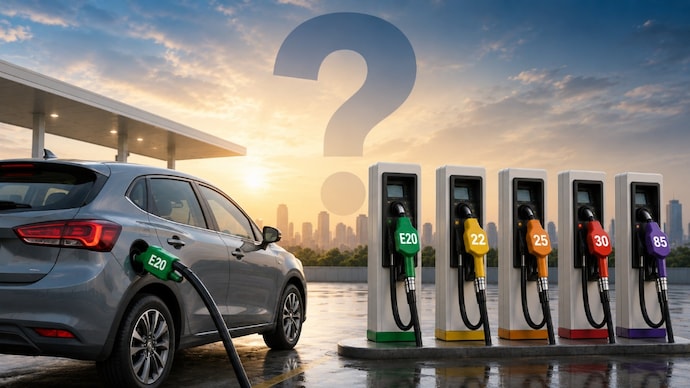
India eyes higher ethanol blends, but what happens to existing E20 vehicles as flex-fuel adoption accelerates? Let's find out.

New Delhi,UPDATED: Jun 5, 2026 09:46 IST
The conversation now is about flex-fuel vehicles and potentially higher ethanol blends than 20 per cent. In this backdrop, what will happen to our existing E20 vehicles?
In May, the government officially notified fuel standards for higher ethanol-petrol blends such as E22, E25, E27 and E30, laying the groundwork for the next phase of India’s ethanol blending initiative. The move signals the government's intent to gradually increase the use of domestically produced biofuels as part of its broader strategy to reduce crude oil imports, improve energy security and lower vehicular emissions.
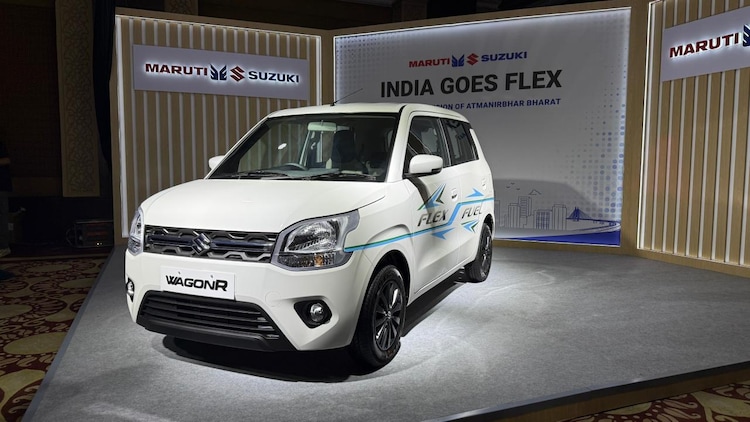
Recently, Maruti Suzuki introduced the WagonR Flex Fuel version. The model is capable of operating on ethanol-petrol blends ranging from E20 to E100, demonstrating the growing industry focus on higher ethanol utilisation. The unveil reflects the company's push to support cleaner mobility solutions and align with the government's ethanol adoption roadmap.
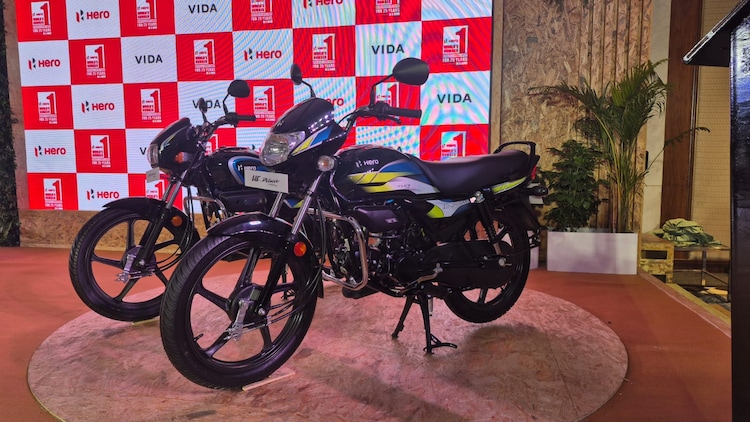
Hero MotoCorp has also entered the flex-fuel space with the launch of flex-fuel versions of its best-selling Splendor+ and HF Deluxe motorcycles. The company became the first manufacturer to introduce flex-fuel motorcycles in India's mass-market 100cc segment, further expanding the ecosystem for ethanol-based mobility solutions.
What happens to existing E20 vehicles?
Most vehicles sold in India today are engineered and certified for E20 fuel, meaning they are designed to safely operate with petrol containing up to 20 per cent ethanol. If ethanol blending is increased beyond this threshold, the compatibility of existing E20 vehicles becomes a key concern.
While a modest increase from E20 to E22 or E25 may not immediately cause major issues in some vehicles, manufacturers generally certify engines only up to their approved blend levels. Higher ethanol content can affect fuel system components, rubber seals, gaskets, fuel pumps and injectors over long-term usage if they were not designed to handle greater ethanol concentrations. Ethanol also absorbs moisture more readily and has different combustion characteristics than petrol, which may impact durability, fuel economy and performance in non-compatible vehicles.
Can E20 vehicles be converted for higher blends?
In theory, conversion kits can enable conventional petrol vehicles to operate on higher ethanol blends. Such kits typically modify fuel delivery and engine management systems, allowing the engine to adjust to the different air-fuel ratios required by ethanol-rich fuels.
However, converting an E20 vehicle to safely run on blends such as E85 is significantly more complex than making minor calibration changes. Flex-fuel vehicles require ethanol-resistant fuel lines, seals, gaskets, fuel pumps, injectors and fuel tanks. They also need engine control software capable of detecting varying ethanol concentrations and automatically adjusting fuel injection and ignition timing.
As a result, while conversion kits are technically possible, achieving full E85 compatibility often requires substantial hardware upgrades and manufacturer validation to ensure reliability, emissions compliance and safety.
Can E20 vehicles be upgraded to E30 through conversion kits?
A transition from E20 to E30 is technically far more feasible than a jump from E20 to E85. Since the increase in ethanol content is relatively small, a properly engineered conversion kit involving recalibration of the engine control unit (ECU), adjustments to fuel injection parameters and, where necessary, replacement of certain fuel system components could potentially enable some E20-compatible vehicles to operate safely on blends such as E22, E25, E27 or E30. However, the feasibility would vary by vehicle model, engine design and manufacturer specifications.
That said, no universal aftermarket solution currently exists for all E20 vehicles, and any conversion would require validation for durability, emissions compliance and long-term reliability. Automakers would ultimately need to certify vehicles for higher blends before such conversions could be widely adopted.
Can fuel additives help?
Fuel additives can provide certain benefits, such as reducing deposits, improving fuel stability or helping manage moisture-related issues. However, additives cannot transform an E20 vehicle into an E85-compatible vehicle.
The primary challenge with higher ethanol blends is material compatibility and fuel system design rather than fuel quality alone. Therefore, additives may offer limited support but cannot replace the hardware and software modifications required for operation on significantly higher ethanol concentrations.
What lies ahead?
E85 will likely emerge as a separate fuel option targeted primarily at flex-fuel vehicles specifically engineered for high ethanol blends. At the same time, E20 is likely to remain available for the large fleet of existing vehicles currently on Indian roads.
Whether E20 eventually gives way to higher nationwide blends such as E22, E25, E27 or even E30 remains uncertain. Any transition would need to balance the government's biofuel ambitions with the realities of vehicle compatibility, infrastructure readiness and consumer convenience. For now, E20 remains the standard fuel for most petrol vehicles, while flex-fuel technology is being positioned as the pathway for adopting substantially higher ethanol blends in the future.
Subscribe to Auto Today Magazine
- Ends