
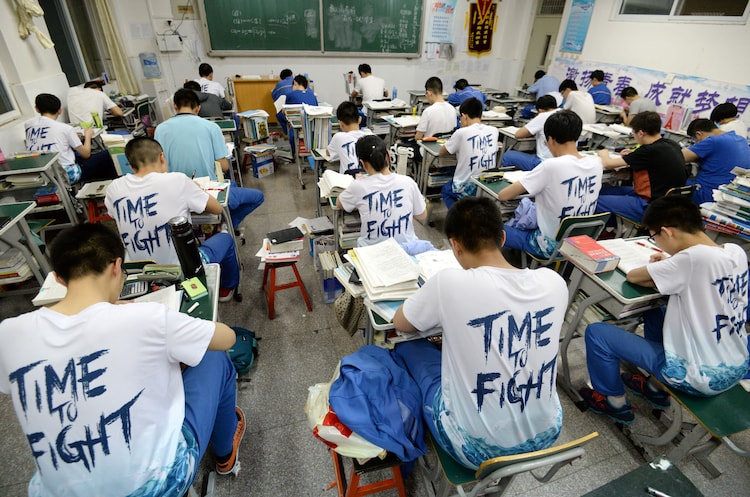
The Gaokao dilemma: Why thousands of Chinese students are skipping the exam
China's Gaokao remains one of the world's most competitive exams, but registrations have declined for the second consecutive year. Rising youth unemployment, a challenging job market, and the growing appeal of vocational education are prompting many students to reconsider the traditional university pathway.
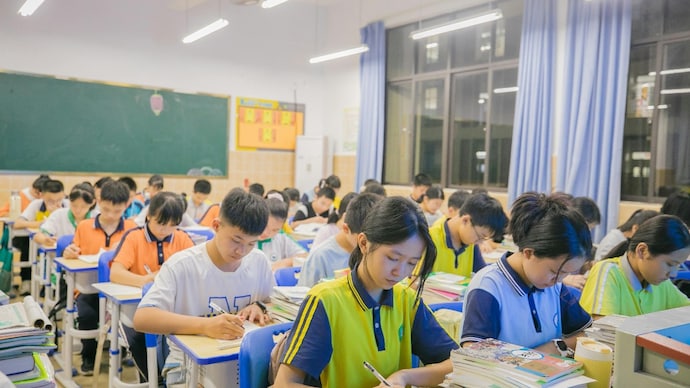
Why fewer Chinese students are taking the Gaokao (Photo : Pexels)

Every June, China comes to a near standstill for a single examination.
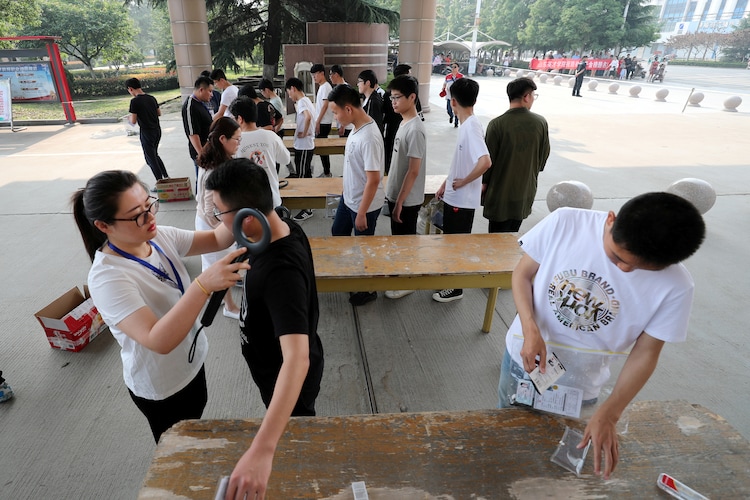
Traffic is diverted, construction work is paused near test centres, and anxious parents wait outside school gates for hours. For millions of students, the outcome of this exam could determine the course of their lives.
The time of the year is here again. Nearly 12.9 million students have registered for China's National College Entrance Examination, popularly known as the Gaokao, in 2026. The multi-day examination, which began on June 7, tests students in subjects including Chinese, Mathematics, English, Sciences, and Humanities.
The numbers are staggering. Yet beneath the headlines lies an unexpected trend: fewer students are choosing to take the exam.
According to China's Ministry of Education, the number of Gaokao candidates fell by around 450,000 compared to the previous year. The decline follows a smaller drop of 70,000 candidates in 2025 compared to 2024, marking the second consecutive year of falling registrations.
The question is simple: Why are fewer students willing to sit for one of the world's most important examinations?
WHAT IS THE GAOKAO?
The Gaokao is China's national university entrance examination and is widely regarded as one of the most competitive tests in the world.
For decades, it has served as the primary gateway to higher education. A student's score largely determines which universities they can attend, with each province receiving admission quotas from the central government and setting its own cutoff scores.
For millions of Chinese teenagers, the exam represents a single defining moment that can shape their academic and professional futures.
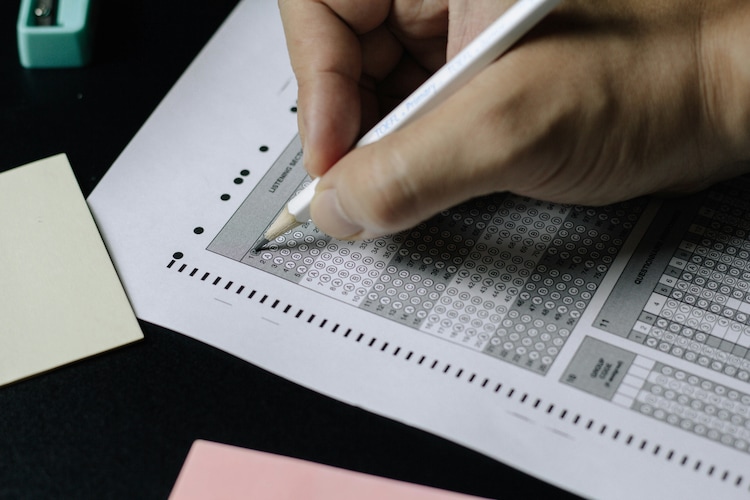
Reaching that day requires years of intense preparation. Students spend more than a decade in an education system heavily centred on examinations, often taking hundreds, if not thousands, of practice tests and mock exams along the way.
At its core, China's education system remains deeply exam-oriented, and the Gaokao stands as its ultimate test: the culmination of twelve years of study, discipline, and sacrifice.
A RECORD NUMBER, YET A FALLING TREND
At first glance, 12.9 million candidates may seem like an extraordinary figure.
However, the latest registration data reveal a significant shift. While millions continue to compete for a limited number of seats at China's most prestigious universities, participation is gradually declining.
The decrease comes at a time when China is facing both demographic and economic challenges.
One factor is a shrinking population of college-age students. China's falling birth rates have begun to affect the size of younger generations entering higher education.
But demographics alone do not explain the trend.
For decades, the Gaokao has been known for being brutally competitive, with families often viewing the test as having the power to make or break a young person's future. But attitudes are beginning to change as millions of university graduates struggle to secure jobs amid China's economic slowdown, according to market observers.
THE EMPLOYMENT REALITY FACING GRADUATES
The figures were released by the Ministry of Education at a time when China is experiencing both a structural decline in the number of college-age teenagers and a challenging labour market.
Youth unemployment among those aged 16 to 24 remains elevated, and experts expect employment pressures to intensify as a record 12.7 million university graduates enter the labour market this summer. With such a large pool of degree holders competing for jobs, employers are increasingly cherry-picking candidates from top universities, while graduates from less-prestigious institutions often find themselves overlooked, according to a Reuters report.
For many families, the equation is becoming difficult to ignore. Years of academic pressure and university education no longer guarantee stable employment or upward mobility.
The concerns are reflected in official employment data.
Despite China's stronger-than-expected economic growth in the first quarter, young jobseekers found little relief as March brought a rise in youth unemployment across urban areas, ending six consecutive months of decline. The unemployment rate for 16-to-24-year-olds, excluding students, rose to 16.9 per cent in March from 16.1 per cent in February, according to data released by China's National Bureau of Statistics.
China's youth unemployment rate surged during the Covid-19 pandemic and has remained persistently high ever since, with the economy struggling to generate enough high-quality jobs to absorb a growing number of graduates, as reported by the South China Morning Post.
The trend extends beyond fresh graduates. Among 25-to-29-year-olds, excluding students, the unemployment rate climbed to 7.7 per cent in March from 7.2 per cent in February.
A SHIFT TOWARDS VOCATIONAL EDUCATION
As confidence in the traditional university pathway weakens, vocational education is gaining new appeal.
The change is significant.
For years, vocational institutions were often viewed as a fallback option for students who failed to secure strong Gaokao scores. Today, that perception is rapidly changing.
Across China, vocational programmes are increasingly being seen as a practical route to employment.
The widening decline in Gaokao participation comes as more students choose vocational programmes that typically lead directly to full-time employment. According to Reuters, hundreds of parents queued outside a vocational school in Beijing in May to compete for just 30 available places. In Shanghai, vocational colleges have recorded a 15 per cent increase in enrolments compared with three years ago.
The growing interest reflects broader changes in the economy. Modern vocational programmes are designed around industry demands and focus heavily on technical and practical skills that employers are actively seeking.

With the development of vocational education in recent years and its closer alignment with industry needs, the employment prospects of vocational graduates have steadily improved.
THE RISE OF VOCATIONAL UNDERGRADUATE DEGREES
Perhaps the most striking development is the rapid growth of China's vocational undergraduate institutions.
Unlike traditional vocational colleges, these institutions award bachelor's degrees while maintaining a strong focus on practical and technical training.
There was a time when China's undergraduate vocational track was viewed as a backup plan for students who did not perform well in the Gaokao. However, that image is changing. Amid an oversupply of traditional university graduates, vocational undergraduate institutions are increasingly becoming a strategic choice for students seeking a more reliable route into the workforce.
The sector has expanded rapidly. The number of vocational undergraduate colleges has grown from just 15 pilot institutions in 2019 to more than 100 today. Nearly one-third of these institutions were established in 2025 alone.
The shift appears to be paying off. The first cohort of graduates from these institutions achieved an average employment rate of 87.1 per cent, around 4.5 percentage points higher than the national average for undergraduate students, according to a report by the South China Morning Post.
For many young people, those figures offer a compelling alternative to the conventional university route.
ALIGNING EDUCATION WITH FUTURE INDUSTRIES
The Chinese government has also actively encouraged the expansion of vocational education.
On February 12, the Ministry of Education called on vocational colleges to introduce programmes focused on emerging and future industries, including artificial intelligence, the low-altitude economy, urban renewal, and other high-growth sectors.
The move reflects a broader effort to address a growing mismatch between higher education and labour market needs.
By equipping students with specialised technical skills, policymakers hope vocational institutions can help bridge talent shortages in key industries while improving graduate employment outcomes.
THE BIGGER PICTURE
The Gaokao remains one of the most important examinations in the world, and for millions of Chinese students, it continues to represent a pathway to opportunity.
Yet the declining number of candidates suggests that China's relationship with higher education may be changing.
A slowing economy, rising youth unemployment, demographic shifts, and the growing attractiveness of vocational education are all reshaping how students and families view academic success.
For decades, the Gaokao symbolised a singular route to a better future. Today, an increasing number of young Chinese appear to be asking whether that future might be found somewhere beyond the examination hall.
The exam may still command national attention, but the declining registrations reveal a deeper story, one about changing economic realities, evolving career aspirations, and a generation increasingly willing to explore alternatives to the traditional university dream.
- Ends