
Was NEET 2025 also compromised? India's latest leak probe is reviving old fears
A Rajasthan family once celebrated for four NEET selections is now under the scanner in India's latest paper leak probe. As investigators uncover allegations of handwritten papers, PDFs and organised networks, students are asking whether NEET 2025 was also compromised? The controversy is reviving fears that India's biggest entrance exam may have remained vulnerable long after the 2024 scandal... Here's what we know so far

Last year, the Biwal family from Rajasthan was celebrated like a small-town success story straight out of a coaching advertisement. Yes, we are sure you saw it too. Four children from the same family clearing NEET was exactly the kind of story India loves.
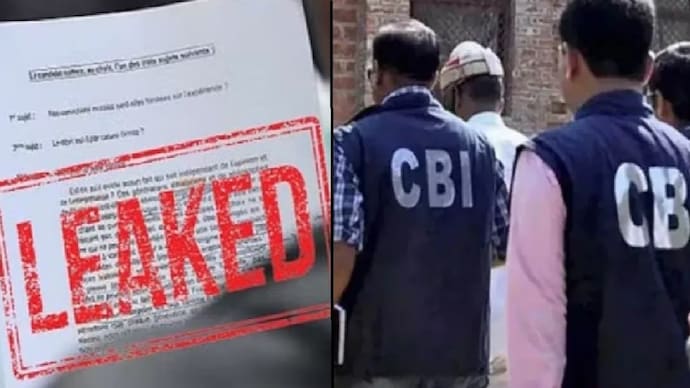
Dinesh, Mangilal and Vikas Biwal, who have now been arrested by the CBI, run Biwal Properties in Rajasthan’s Jamwa Ramgarh. The brothers are facing allegations that their family may have been linked to unfair practices in the 2024 and 2025 NEET exams as well.
Mangilal’s two children, including Vikas, cleared NEET in 2025 and are now studying in government medical colleges in Rajasthan, while their late brother Ghanshyam’s two daughters also cracked the exam and secured seats in government medical colleges in 2025.
Investigators suspect Dinesh was especially desperate to access the paper this year because his minor son was appearing for NEET UG 2026. Rajni, Dinesh’s wife, has confirmed that four members of the family had indeed cleared the exam last year.
In a high-stakes exam, one taken by over 20 lakh candidates every year, where even a single qualifying score is considered life-changing, four NEET successes from one household sounded extraordinary.
But nearly a year later, that same family now finds itself at the centre of one of India’s most explosive examination controversies. And suddenly, an uncomfortable question is haunting students again. Was NEET 2025 also compromised?
According to investigators probing the latest NEET leak allegations, the Rajasthan-based Biwal family is now under scrutiny over suspected links to an alleged interstate paper leak network. Reports suggest investigators are examining whether question papers were circulated through handwritten copies, scanned PDFs and courier-based channels before the exam.
The development has shaken aspirants because the family’s earlier success had already become part of NEET folklore. Now, for lakhs of students who spent years preparing honestly, the story feels less inspirational and far more unsettling.
FROM NEET SUCCESS STORY TO LEAK INVESTIGATION
To be clear, investigations are ongoing, and no court has established guilt, but in India’s hyper-competitive exam culture, suspicion alone is enough to damage trust permanently. The anxiety surrounding the Biwal family is not only about one investigation, it's about timing.
Because the family’s celebrated success happened during the same period when India was still recovering from the massive NEET 2024 controversy. A scandal involving alleged paper leaks, grace marks, solver gangs and arrests across states.
At the time, authorities maintained that the compromise was localised and did not justify cancelling the entire examination nationwide.
But now students are not taking this as an excuse. They want to know if leak networks were sophisticated enough to survive into 2026. Did they quietly operate during NEET 2025 as well? And if they did, would anyone even know?
That fear is growing because investigators in the current case reportedly found evidence of highly organised methods, including handwritten paper replication, encrypted circulation channels and question sets matching actual exam patterns.
For aspirants, the pattern feels too familiar to dismiss.
KHAN SIR'S COMMENT TO INDIA TODAY.IN HAS ALSO ADDED FUEL
Popular educator Khan Sir has now become one of the most vocal critics of the examination system amid the latest controversy. In his comments on India Today TV, Khan bluntly questioned how repeated irregularities continue despite official assurances and said students are naturally beginning to wonder whether previous NEET examinations, including NEET 2025, may also have been compromised in ways that were never detected publicly.
He said that if it hasn't come to the spotlight, it doesn't mean the leak had not happened.
That comment struck a nerve online because many students already carried unresolved resentment from the 2024 controversy. For them, the latest revelations do not feel like an isolated scandal any more. They feel like evidence of a system that may have been vulnerable for years.
The tragedy here is larger than one family or one investigation. NEET was supposed to be India’s great equaliser, a national exam where a student from a small town could compete fairly against elite urban coaching machines. However, repeated leak allegations are slowly destroying that very belief.
Today, every unusually high score attracts suspicion, every success story risks being questioned. Even genuine toppers are forced to defend themselves against rumours they never asked for.
Perhaps that is why the Biwal story has disturbed students so deeply, because it represents the collapse of something bigger than an exam paper.
It represents the collapse of trust itself.