
Glutathione, collagen, Vit C, obesity shots – the list of offerings by beauty clinics is long
India's crackdown on injectable cosmetic products has uncovered a wider trade in unapproved wellness drips across clinics, salons and gyms. Dermatologists say the trend is being fuelled by off-label use, weak oversight and glossy marketing despite safety concerns.
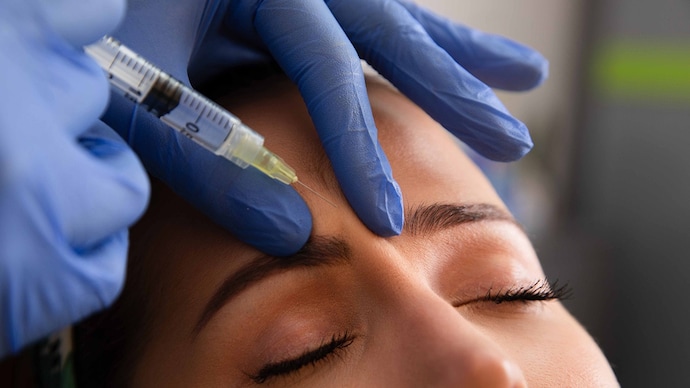


India’s latest crackdown on injectable cosmetic products has exposed a much larger underground market thriving inside beauty clinics, salons and even gyms, where unapproved intravenous “wellness” and “anti-ageing” cocktails are being administered with little oversight.
After the Central Drugs Standard Control Organisation (CDSCO) warned that cosmetics cannot legally be injected into the human body, dermatologists say the problem extends far beyond glutathione skin-lightening drips.
Clinics across major cities are routinely offering a range of injectable products – many used off-label, imported informally or purchased online – promising everything from hair regrowth and youthful skin to “detoxification” and energy boosts.
According to Delhi-based senior dermatologist Dr Dipali Bharadwaj, the scale of misuse is staggering.
“Many of these products in their injectable forms are used left, right and centre by over 100 beauty and wellness clinics in Delhi alone,” she said. “There are instances of even gym instructors injecting people promising quick benefits.”
She warned that many of the products being administered are counterfeit or procured through unregulated online channels.
“Many of these products are fake and bought cheap online – by these centres or even by patients themselves in several cases,” she said, adding that while the CDSCO advisory was a welcome step, “authorities also need to ensure enforcement.”
OFF-LABEL BEAUTY BOOM
Among the most commonly used products is glutathione, an antioxidant marketed aggressively as a skin-brightening and “detox” treatment.
Though widely promoted in aesthetic clinics, glutathione injections in India are officially approved only for limited medical uses, such as management of chemotherapy-related toxicity in cancer patients and as an adjunct treatment for COVID-19.
Despite this, intravenous glutathione drips have become a staple offering at cosmetic centres.
Doctors remain divided over its benefits. Dr Bhardwaj said glutathione can be effective in certain medically justified conditions, including pollution-related oxidative stress.
However, veteran dermatologist and head of the skin department at the RML hospital, Dr Kabir Sardana took a far more critical view, arguing that its widespread cosmetic use lacks scientific rationale.
“None are approved by the US Food and Drug Administration (FDA) and are off-label and can cause various adverse events, even atypical mycobacterial infections,” he said.
He added that such therapies are “illogical, unscientific, unapproved, and have side effects at a cost that does not favour patients.”
Another category seeing explosive growth is injectable or mesotherapy-based finasteride and dutasteride, drugs originally prescribed orally for male-pattern hair loss and enlarged prostate conditions.
Hair clinics increasingly inject these substances directly into the scalp, claiming faster hair regrowth and fewer systemic side effects. However, experts say robust long-term safety data on injectable formulations is lacking, and many preparations used in clinics are not standardised.
Then there is the rapidly expanding market for exosome therapy, marketed as a futuristic regenerative treatment for skin rejuvenation, scar reduction and hair restoration.
Exosomes are tiny extracellular vesicles derived from stem cells and are promoted as capable of stimulating tissue repair and collagen production.
Though increasingly advertised on social media by aesthetic clinics, the treatment remains highly controversial globally due to limited regulation and insufficient evidence on efficacy and safety.
Doctors say patients are often unaware that many such procedures remain experimental.
On top of it, many aesthetic clinics have now started offering GLP-1-based therapies such as semaglutide and tirzepatide, meant for weight loss and diabetes, that should only be prescribed by endocrinologists and internal medicine specialists.
WELLNESS DRIP CRAZE
Clinics are also pushing intravenous “wellness drips” containing combinations of vitamin C, NAD+ (nicotinamide adenine dinucleotide), collagen, biotin, amino acids and multivitamin mixtures. These are frequently marketed as immunity boosters, anti-fatigue therapies or anti-ageing infusions.
Vitamin C injections and drips are commonly promoted for skin glow and pigmentation reduction, despite limited evidence supporting dramatic cosmetic benefits in healthy individuals.
NAD+ infusions, popularised globally by celebrity wellness culture, are sold as energy-enhancing and anti-ageing therapies, though mainstream medical consensus on their benefits remains weak.
Injectable collagen and biotin are increasingly used in “skin booster” and hair wellness packages, while amino acid and multivitamin drips are offered as quick-fix solutions for fatigue, gym recovery and “overall wellness."
In many cases, these are administered outside hospital environments with minimal emergency preparedness.
Medical experts warn that risks associated with such procedures go far beyond mild allergic reactions. Intravenous injections can lead to severe infections, contamination-related complications, liver and kidney stress, and vascular emergencies if improperly administered.
Dermatologists say non-medical settings performing these procedures often lack trained staff or resuscitation infrastructure.
REGULATION VERSUS REALITY
The concern is particularly acute because the booming aesthetic medicine industry has expanded far beyond licenced dermatology centres. Social media influencers, salons and wellness chains now routinely advertise injectable beauty packages targeting younger consumers seeking “preventive anti-ageing” treatments.
Dr Sardana said the absence of scientific consensus and regulatory clarity around many of these products has created a dangerous vacuum. While some therapies may have legitimate medical uses under qualified supervision, he cautioned against their indiscriminate cosmetic marketing.
Experts say the CDSCO’s latest clarification could become a turning point if enforcement follows.
“For consumers, the message should be that glossy promises of instant glow, anti-ageing miracles and detox drips may conceal treatments that are medically unproven, illegally marketed or potentially unsafe,” said a senior member of the Indian Association of Dermatologists, Venereologists and Leprologists (IAVDL).