
Why a regular ICU is not enough for victims with more than 10% burns
The Malviya Nagar fire has exposed a little-known reality of emergency care in India. It has highlighted India's shortage of dedicated burn centres despite the country's high burden of burn injuries.
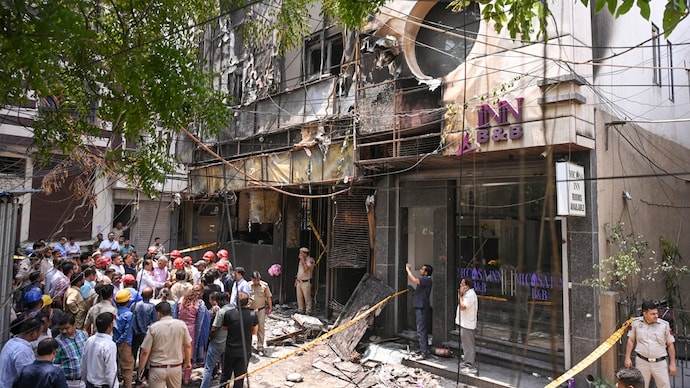
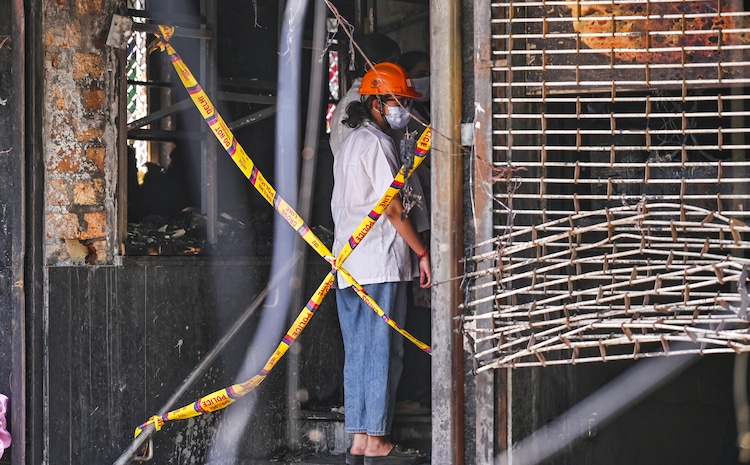
Police and firefighters at the site after a fire broke out at a bed-and-breakfast in a five-storey building in south Delhi's Malviya Nagar area. (Photo: PTI)

New Delhi,UPDATED: Jun 3, 2026 19:05 IST
The devastating fire at a bed-and-breakfast in Delhi's Malviya Nagar area that killed at least 21 people has drawn attention to a critical gap in India's burn-care infrastructure.
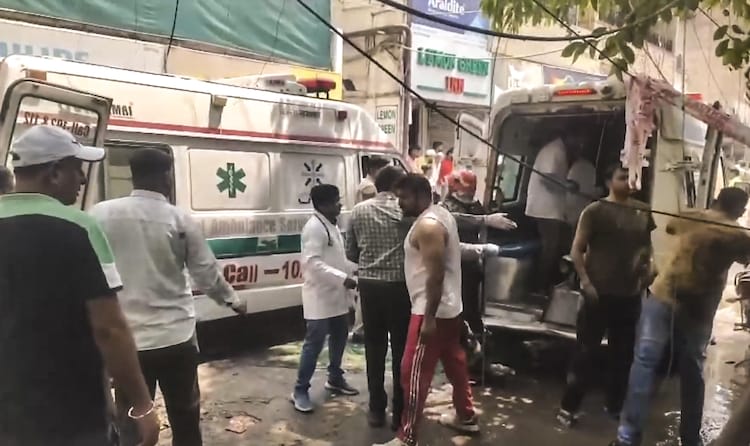
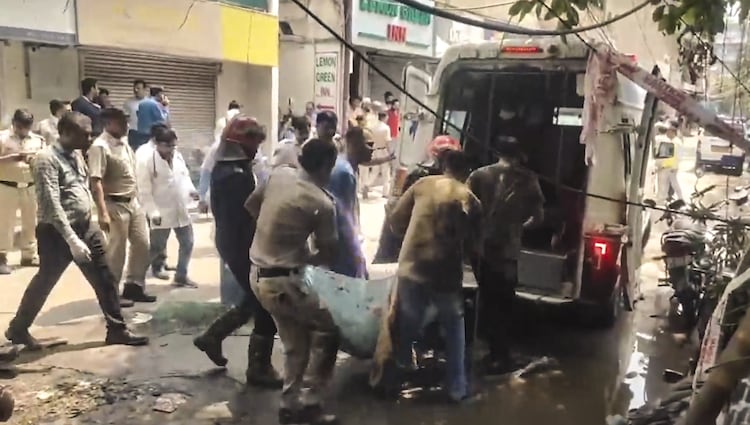
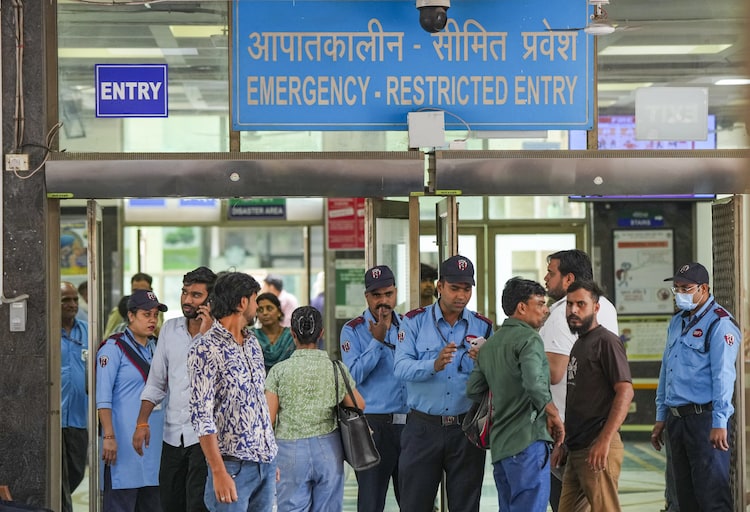
While many victims were taken to Max Hospital, Saket, one patient with severe burns had to be stabilised and shifted to Safdarjung Hospital for specialised treatment.
At Max Hospital, where several victims were admitted following the blaze, doctors were dealing with a range of injuries caused not just by flames but also by smoke inhalation and trauma sustained while escaping.
"We received multiple victims from the Malviya Nagar fire incident. At present, 15 patients are admitted in the ICU, of whom eight are on ventilator support. Five patients with minor injuries have been treated and discharged," said Dr. Sandeep Budhiraja, Group Medical Director, Max Healthcare.
He added that one patient with nearly 25% burns was stabilised and referred to Safdarjung Hospital for specialised burn care as Max only keeps those with 10% burns, while another patient was being treated for a spinal injury.
The incident highlights a little-known reality: patients with extensive burns often require dedicated burn units, facilities that many conventional ICUs, including those in major hospitals, are not equipped to provide.
It also shows the limited availability of specialised burn-care centres in India.
WHY THE 10% BURN MARK IS IMPORTANT
Once burns cover more than 10% of the Total Body Surface Area (TBSA), the body's response changes dramatically.
"These patients are treated in specialised burn units or burn ICUs rather than regular intensive care units because severe burns are far more complex than ordinary trauma injuries," said Dr. Sandeep Dewan, Senior Director and Head of Critical Care Medicine and ECMO at Fortis Memorial Research Institute, Gurugram.
The skin serves as the body's largest protective barrier. When a significant portion of it is damaged, patients rapidly lose fluids, become vulnerable to infections, and can develop complications affecting multiple organs.
Unlike other critically ill patients, burn victims require specialised wound care, repeated dressing changes, aggressive fluid replacement, nutritional support and, in many cases, multiple surgeries over several weeks.
"Medical guidelines consider burns exceeding 10% TBSA significant because they can trigger major physiological changes throughout the body. These patients require aggressive fluid resuscitation, continuous monitoring of blood pressure and organ function, specialised wound care, infection control, pain management and often multiple surgical procedures," Dr. Dewan explained.
BURN ICUs ARE DESIGNED DIFFERENTLY
One of the biggest challenges in treating burn patients is preventing infections.
Burned skin loses its barrier function, leaving the body exposed to bacteria that can easily enter the bloodstream.
This is why dedicated burn units are built with specialised infection-control measures, isolation facilities and staff trained specifically in burn management.
The biggest threat to a burn patient is often not the burn itself but the complications that follow. Sepsis, organ failure and breathing complications are major causes of death.
Regular ICUs are designed to manage conditions such as heart attacks, strokes, severe infections and respiratory failure. While they can provide emergency stabilisation, they may not have the infrastructure or multidisciplinary teams required for extensive burn care.
The issue became particularly relevant after the Malviya Nagar tragedy. According to Dr. Budhiraja, most victims did not die from burn injuries but asphyxiation, as toxic fumes reached the victims before the flames.
Smoke inhalation is a hidden killer in fires. Toxic gases and superheated air can severely damage the lungs and airways, causing life-threatening breathing difficulties even when visible burns appear limited.
This is why doctors assess not only the percentage of burns but also their location and whether the patient has suffered inhalation injuries.
Burns involving the face, neck, hands, feet or genital area are considered high risk regardless of size.
For those who survive, recovery is long and painful, involving surgeries, rehabilitation, physiotherapy and psychological support.
SHORTAGE OF DEDICATED BURN UNITS
India faces a severe crisis in burn care.
The country records more than one million burn injuries every year and an estimated 1,40,000 burn-related deaths, yet has only a limited number of dedicated burn centres and burn ICU beds.
With over 1 million burn injuries and approximately 140,000 fatalities annually, the country has only 67 registered burn centers and roughly 1,330 dedicated beds. Furthermore, fewer than 300 of these beds are located in intensive care units (ICUs).
Safdarjung Hospital, which received one of the severely injured patients from the fire, is regarded as one of the world's busiest burns facilities by patient volume.
As investigators continue to examine what caused the Malviya Nagar fire, doctors say the incident should also serve as a reminder that fire preparedness extends beyond prevention. It includes ensuring that India has enough specialised burn units to treat victims when disaster strikes.
- Ends