
Kedarnath Bhishma Shringar ritual explained ahead of temple opening on April 22
As Kedarnath Temple reopens on April 22, the rare Bhishma Shringar ritual takes centre stage. This winter practice protects the Shivling under snow and is unique among all 12 Jyotirlingas.
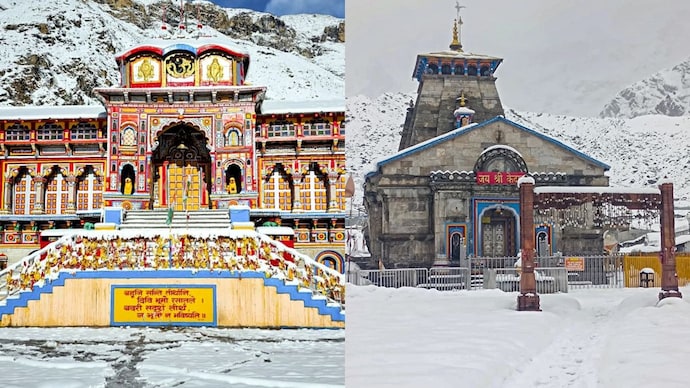

As the Kedarnath Temple opening 2026 begins on April 22, one ritual draws special attention, the Kedarnath Bhishma Shringar ritual. Performed before the temple closes for winter, this rare practice protects the Shivling during months of extreme snowfall.
Located in Kedarnath Temple in Uttarakhand, the shrine remains shut for nearly six months due to harsh weather.
What makes this ritual stand out is how it preserves the deity naturally, something not seen in any other of the 12 Jyotirlingas.
WHAT IS BHISHMA SHRINGAR?
The Bhishma Shringar Kedarnath ritual, also called Bhishma Seva, is a winter preparation ceremony performed just before the temple closes around November.
Priests apply around 6 litres of pure cow ghee over the Shivling, forming a thick layer. This is then covered with a white cotton cloth and sealed carefully. The coating acts like a natural shield, protecting the sacred structure from freezing temperatures and heavy snow.
HOW THE SHIVLING IS PROTECTED
During winter, Kedarnath experiences extreme conditions, with temperatures dropping to -10°C to -20°C and snowfall reaching up to 15–20 feet.
The ghee coating acts as insulation, helping preserve the Shivling through months of snow, ice, and even avalanches. This method ensures the structure remains intact despite the harsh Himalayan climate.
Unlike other temples that simply shut their doors, Kedarnath uses this detailed process to protect the deity.
LINK TO MAHABHARATA AND BHISHMA
The ritual is named after Bhishma from the Mahabharata. Bhishma is known for enduring immense hardship while lying on a bed of arrows for days, symbolising patience and strength.
The ritual mirrors this idea of endurance and protection, linking mythology with temple tradition.
WHAT HAPPENS ON OPENING DAY
On April 22, during the reopening ceremony, priests first remove the Bhishma Shringar covering.
This takes place between 7 am and 8 am with Vedic chants, revealing the Shivling after months. Devotees gather in large numbers to witness this moment, as the deity is seen in its original form.
Fresh decorations like flowers and bilva leaves are then offered for regular puja.
SPIRITUAL MEANING OF THE RITUAL
The Kedarnath Bhishma Shringar ritual symbolises faith and continuity even in extreme conditions. It is believed to show Lord Shiva’s presence and protection despite harsh Himalayan winters.
The ritual gained even more attention after the 2013 Kedarnath floods, when the temple remained standing despite widespread damage in the region.
ALSO READ: Non-Hindus to be barred from entering Badrinath-Kedarnath shrines in Uttarakhand
WHAT PILGRIMS SHOULD KNOW
Pilgrims planning to witness the ceremony should:
- Arrive early due to heavy crowds
- Be prepared for cold weather conditions
- Start their journey from Gaurikund in advance
This ritual adds a deeper layer of meaning to the Kedarnath Yatra experience.