

Before sunrise, it's over: Inside the 6 am layoff culture
A viral post claims layoffs are being timed for isolation, not efficiency. Even if exaggerated, it reveals a deeper truth about how modern job cuts are designed.

A viral post claims layoffs are being timed for isolation, not efficiency.

New Delhi,UPDATED: Apr 2, 2026 08:01 IST
At 6 am, the world is supposed to be quiet. Coffee is brewing, alarms are being snoozed, and commutes haven’t begun. For millions of professionals, it is the softest, most private hour of the day.
Increasingly, it may also be the most brutal.
A viral post on X (formerly Twitter) claims layoffs were deliberately scheduled for 6 am because “people are alone.”
The post, widely circulated on social media, reads less like a corporate memo and more like a cold blueprint of modern workforce management, one where timing is strategy, and isolation is by design.
There is no confirmation that the post reflects an actual executive communication. But the discomfort it has triggered comes from a place that feels uncomfortably real.
Because even if the author is fictional, the system he describes is not.
THE NEW LOGIC OF LAYOFFS
The idea is simple, and chilling. At 6 am, there are no colleagues to compare notes with, there are no hallway whispers, absolutely no spontaneous solidarity. In fact, there is no chance of an immediate escalation.
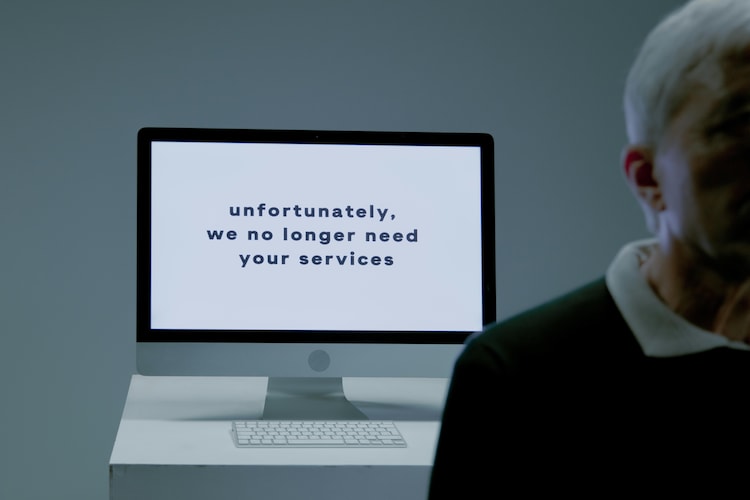
Just a screen, and a sentence that changes everything.
In the post, the reasoning is laid out with brutal clarity. When employees receive the news alone, they process it alone. By the time they reach out, logins have been disabled, access revoked, and the organisation has already moved on.
It is not just about delivering bad news. It is about controlling the aftermath.
Across the tech industry, including companies like Oracle, layoffs have increasingly followed a familiar pattern which includes early morning emails, immediate revocation of system access, and then limited or no real-time explanation. This is a shift of communication to impersonal HR documents.
The gap between “You are no longer employed” and “You can no longer log in” has shrunk to minutes.
Sometimes, seconds.

10-MINUTE WINDOW THAT DEFINES A CAREER
One of the most striking parts of the viral post describes a 12-minute window, the time between reading a layoff email and attempting to access office systems or swipe into workspaces.
Within that window, access is cut off.
It’s a detail that may or may not be literally true. But anyone who has tracked layoffs across large tech firms knows this much: access revocation is no longer an administrative step, it is the central act.
The moment your credentials stop working, your identity inside the company disappears.
You are no longer an employee.
You are a liability contained. This is not accidental. It is operational design.
What makes the Oracle layoffs narrative particularly sharp is not just the timing, but the irony.
The same workforce that built enterprise systems, cloud infrastructure, and automation tools is now confronting a reality where those very systems are replacing them.
The post points to a broader shift that companies investing billions into AI and infrastructure while simultaneously trimming the human cost base to fund those bets.
Oracle’s aggressive push into cloud and AI infrastructure is part of a wider industry pattern. And in that pattern lies an uncomfortable truth:
Efficiency is no longer about helping employees do more.
It is about needing fewer employees altogether.
The line between innovation and displacement has never been thinner.
WHY 6 AM HITS HARDER THAN LAYOFFS USED TO
Layoffs are not new, corporate restructuring is not new but the experience of being laid off is changing.
Earlier, job cuts often came with in-person meetings or conversations with managers. There was some degree of collective awareness.
Now, it is increasingly, a) Asynchronous, b) Isolated, and worse of all, c) Digitally executed
6 am amplifies that shift because it strips away even the illusion of workplace community.
There is no shared moment. No collective processing. No immediate support system. Just an inbox notification arriving before the day has even begun.
And in that sense, the timing is not logistical.
It is psychological.
The viral Oracle post may not be real in its specifics. But it resonates because it captures something employees already feel: that the modern workplace, for all its talk of culture and collaboration, can become deeply transactional when it matters most.
At 6 am, that truth is hardest to ignore.
THE HAUNTING HOUR
For companies, 6 am may be efficient, but for employees, it is becoming something else entirely, a timestamp that marks the exact moment stability disappears.
And perhaps that is why the story has struck such a nerve.
Because whether or not one executive actually scheduled those emails, the corporate world has clearly learnt something unsettling:
If you want to minimise disruption, send the message when no one is there to respond.
6 am is not just a time any more, it is a strategy.
- Ends