

How a farmer's son, homemaker and IT worker built businesses that help the planet
This Environment Day, three entrepreneurs from Maharashtra, Odisha and Tamil Nadu show how local solutions can create lasting impact. From saving water on farms and replacing plastic with forest leaves to bringing solar power to communities, their businesses prove that sustainability and livelihoods can grow together.
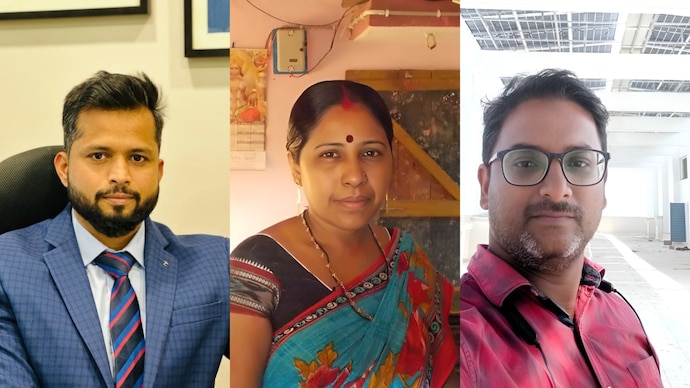
This Environment Day, three entrepreneurs from Maharashtra, Odisha and Tamil Nadu show how local solutions can create lasting impact. (l to r: Arun Awatade, Minakshi Padhi and Saleem Harris)

New Delhi,UPDATED: Jun 5, 2026 13:07 IST
When people talk about climate action, the spotlight often falls on governments, global summits and billion-dollar green technologies.
But some of India's most inspiring environmental stories are unfolding far away from big cities.
One entrepreneur grew up watching drought push families into poverty and suicide. Another was a homemaker trying to rescue her family from financial collapse. A third walked away from a stable IT career to build a business around clean energy.
None started with wealth. None had easy access to funding.
Yet today, they run businesses that are helping farmers save water, replacing plastic waste with biodegradable alternatives and bringing solar power to communities across India.
This World Environment Day, their stories offer a different picture of climate action: one rooted in villages, small towns and ordinary people determined to solve local problems.
ARUN AWATADE: FROM RS 40,000 AND SCRAP MACHINES TO A RS 33.84 CRORE BUSINESS
For Arun Awatade, environmental sustainability was never an abstract idea.
He grew up hearing stories of drought, crop failure and desperation.
His family originally belonged to a drought-prone village in Maharashtra's Solapur district. Severe drought in the 1970s forced his parents to migrate to Pune in search of work. Like thousands of farming families, they left because staying back was no longer an option.
Arun grew up in poverty, watching the struggles of farmers and landless labourers around him. He saw how water shortages, failed crops and mounting debt could destroy entire families.
Those experiences shaped his ambition.
He wanted to build something that could help farmers survive.
After years of research, he became convinced that mulching technology could make a difference. Mulching films help retain moisture in the soil, reduce weed growth, improve soil quality and cut water consumption dramatically.
There was just one problem: nobody wanted to fund the idea.
Banks repeatedly rejected his loan applications because he lacked collateral. For nearly two years, he searched for capital while taking tuition classes to earn extra money.
Eventually, in 2010, he scraped together Rs 40,000 and started a tiny business using reconditioned scrap machinery.
The venture struggled initially. But after receiving mentorship and a Rs 2 lakh loan in 2012, the business finally began to grow.
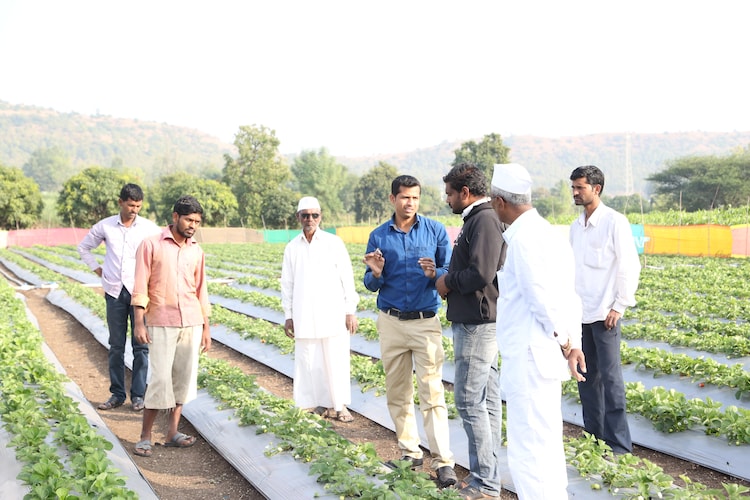
Today, Pune-based Iris Group has become one of India's leading manufacturers of mulching films and eco-friendly packaging products.
Its FY26 turnover stands at Rs 33.84 crore. The company employs 265 people directly and has created dozens of additional jobs.
The environmental impact is equally significant.
According to the company, its mulching solutions help farmers save up to 60-70% water by retaining soil moisture. Reduced water use also means lower electricity consumption for pumping groundwater. Farmers can cut pesticide use, reduce labour costs and improve crop yields.
Arun continues to conduct awareness programmes on water conservation, sustainable agriculture and scientific farming methods.
From a young man struggling to raise Rs 40,000 to the founder of a Rs 33.84 crore enterprise, his journey reflects how environmental innovation can transform both livelihoods and landscapes.
MINAKSHI PADHI: THE HOUSEWIFE WHO TURNED FOREST LEAVES INTO A BUSINESS
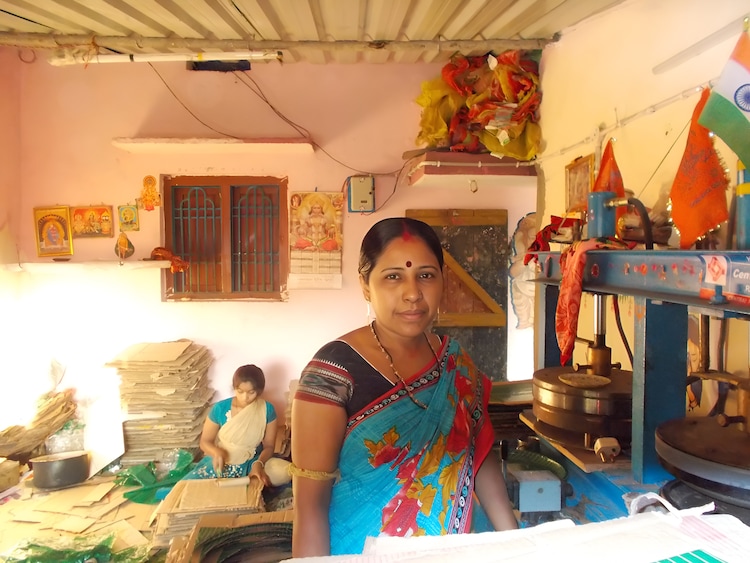
In Odisha's Rayagada district, Minakshi Padhi never imagined she would become an entrepreneur.
Her education ended after matriculation. Marriage and family responsibilities occupied most of her early adult life.
Things changed when her husband's transport business collapsed, pushing the family into financial difficulty.
Determined to help support her household, Minakshi decided to start a business. But as a first-generation entrepreneur from a rural area, she faced the same obstacle many others do: nobody wanted to lend money.
Banks rejected her applications repeatedly.
Eventually, she managed to establish a small paper plate manufacturing unit in 2018. Yet the business faced intense competition and limited growth prospects.
Then a visit to a local Self-Help Group changed everything.
Minakshi noticed women collecting large quantities of siali leaves from nearby forests. These leaves had long been used traditionally in the region.
She wondered whether they could become a product.
Using her existing machinery, she experimented with pressing the leaves into plates and cups.
The idea worked.
What followed was a complete transformation of the business.
Instead of manufacturing ordinary paper plates, she began producing biodegradable siali leaf plates and cups that offered a natural alternative to plastic and thermocol disposables.
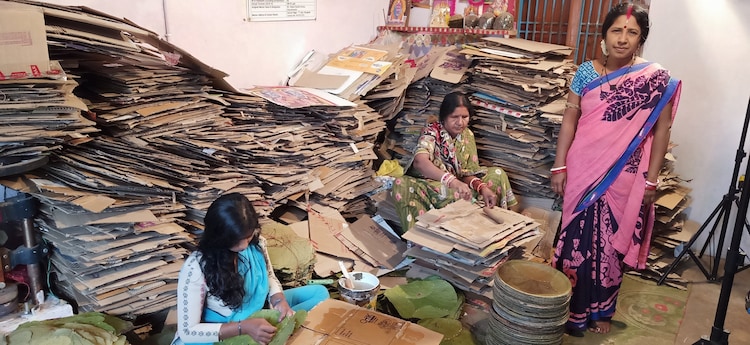
Today, her enterprise, Maa Durga Paper Plate, supplies products across five districts in southern Odisha, including Rayagada, Koraput, Kalahandi, Nabarangpur and Gajapati.
The business now records an annual turnover of around Rs 14 lakh and expects further growth.
But the numbers tell only part of the story.
Every plate produced helps replace disposable plastic and thermocol products that can remain in the environment for years.
The enterprise also creates a local ecosystem of livelihoods. Women Self-Help Groups earn income by collecting leaves. Local workers are employed in production. Transport operators benefit from distribution activities.
In a region where economic opportunities are often limited, Minakshi's business demonstrates how environmental sustainability can create livelihoods rather than restrict them.
What started as an effort to save her family from financial distress has become a model of community-driven green entrepreneurship.
SALEEM HARRIS: THE IT EMPLOYEE WHO BET ON SOLAR ENERGY
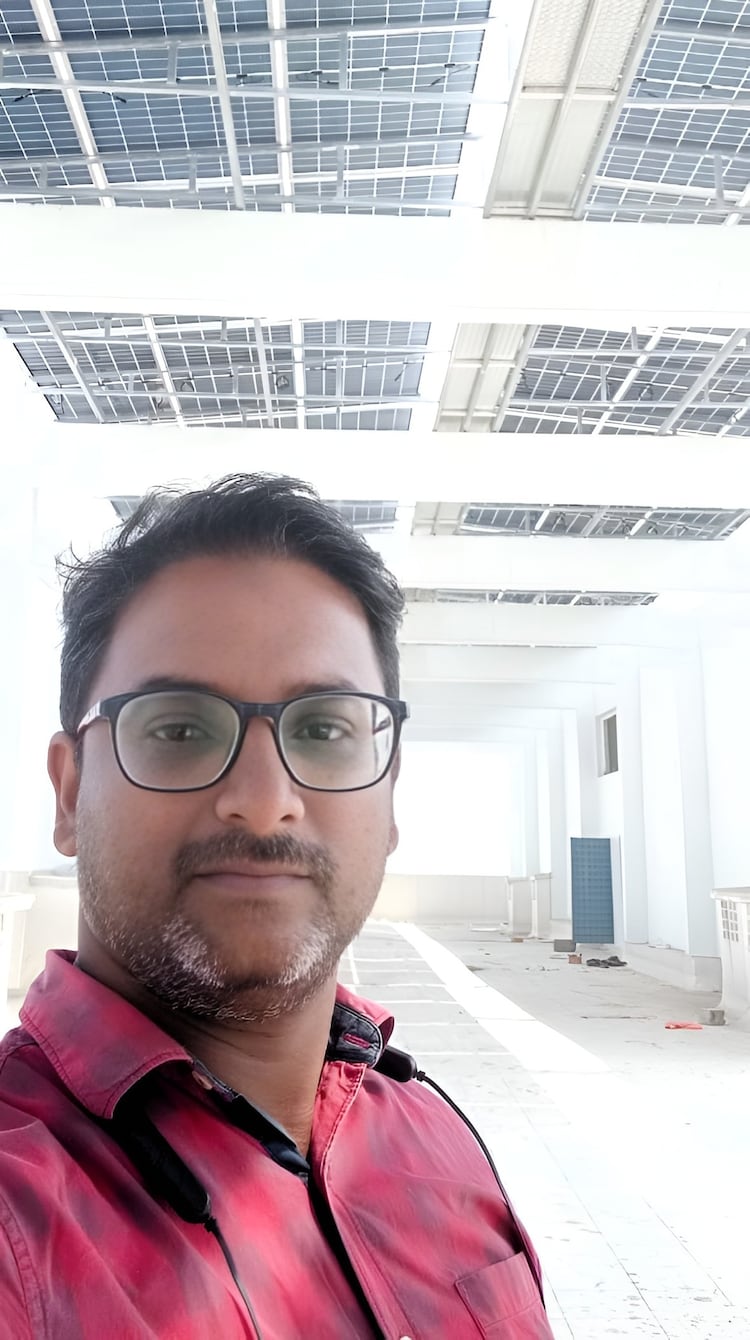
For more than a decade, Saleem Harris worked in the IT industry.
The salary was steady and the career path was predictable.
But he wanted to build something of his own.
At the same time, he was increasingly concerned about pollution, rising energy demand and environmental degradation. He began exploring business opportunities that could combine commercial success with environmental impact.
Solar energy stood out.
In 2016, Saleem invested his personal savings of Rs 5 lakh and launched Healthy Sun Energy Associates from a rented facility in Chennai.
The early years were difficult.
Although customers showed interest, he lacked the capital needed to expand. He approached four banks seeking financial assistance.
All four rejected him.
For months, he struggled to keep the business alive and even considered abandoning entrepreneurship altogether and returning to his previous IT career.
The breakthrough came in 2019 when he secured funding and mentoring support that allowed him to scale operations.
The growth that followed was dramatic.
Today, Healthy Sun Energy Associates provides solar energy solutions across India. Its services include rooftop solar systems, solar agricultural pumps, power backup systems and energy monitoring solutions.
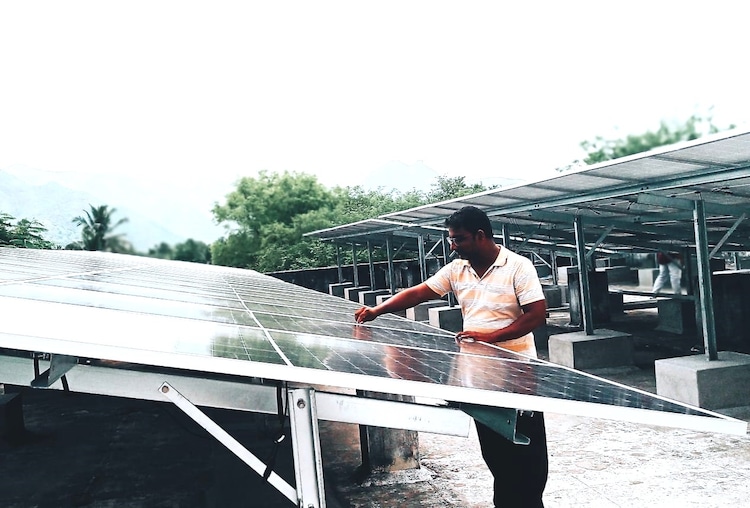
The company has reported a turnover of around Rs 1 crore in FY26.
It currently supports 10 direct jobs and around 40 indirect employment opportunities through installation teams, suppliers and service providers.
The environmental benefits are visible across every project.
Each solar installation helps reduce dependence on conventional electricity sources while lowering energy costs for households, businesses and farmers.
The company also conducts solar training programmes, helping young people gain skills in one of the fastest-growing sectors of the green economy.
What began as a Rs 5 lakh personal gamble has grown into a business helping communities transition towards cleaner energy.
THREE ENTREPRENEURS, ONE COMMON THREAD
Their businesses operate in different sectors.
One focuses on water conservation. Another replaces plastic waste. The third promotes renewable energy.
Yet their stories share remarkable similarities.
Arun started with Rs 40,000 and scrap machinery. Today, his company records a turnover of Rs 33.84 crore.
Saleem began with Rs 5 lakh of personal savings. His solar enterprise now operates across India with a turnover of around Rs 1 crore.
Minakshi entered business after a family financial crisis and built a sustainable enterprise supplying eco-friendly products across southern Odisha.
None came from privileged backgrounds. All faced funding challenges. Each built a business by solving a real environmental problem, with mentoring and financial support at crucial stages from Bharatiya Yuva Shakti Trust (BYST), which helps young entrepreneurs build sustainable businesses.
And perhaps that is the most important lesson from their journeys.
| Entrepreneur | Started with | Today |
|---|---|---|
| Arun Awatade | Rs 40,000 and scrap machinery | Rs 33.84 crore turnover |
| Saleem Harris | Rs 5 lakh personal savings | Rs 1 crore turnover |
| Minakshi Padhi | Small village unit after family crisis | Supplies across 5 districts, Rs 14 lakh turnover |
Environmental protection is often portrayed as a choice between economic growth and sustainability.
These entrepreneurs prove the opposite.
Arun helps farmers save water while improving incomes. Minakshi reduces plastic waste while creating opportunities for rural women. Saleem expands access to clean energy while generating jobs and technical skills.
Their stories show that some of the most effective climate solutions do not emerge from boardrooms or international conferences.
Sometimes they begin with a drought-hit farmer's son, a village homemaker or an IT employee willing to take a chance on a better future.
- Ends