

View from Qatar | Forging a lasting peace
The Gulf states, those most exposed to the economic and security fallout of a conflict not of their making, must be integral to any negotiated settlement for regional stability and sustainable peace
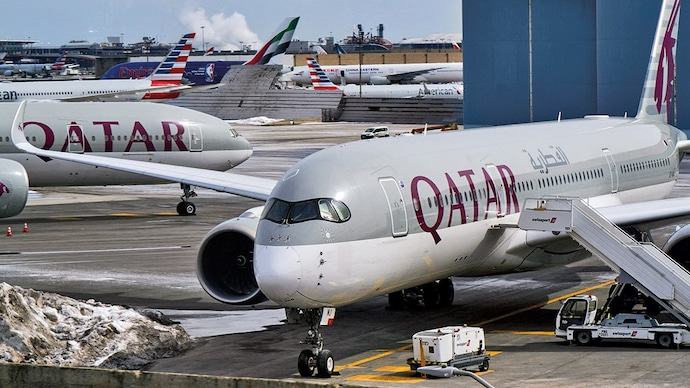
WINGS DOWN: Qatar Airways passenger jets at the JFK Airport in New York, Mar. 2. (Photo: Reuters)

ISSUE DATE: Apr 20, 2026 | UPDATED: Apr 14, 2026 15:03 IST
Tensions between the US, Israel and Iran can be traced to the aftermath of Iran’s 1979 Islamic Revolution, marking the beginning of a prolonged and evolving confrontation. Over time, this rivalry has largely unfolded through proxy conflicts and strategic positioning, gradually emerging as a central force shaping the geopolitical dynamics of the Middle East. What initially appeared as a contained dispute has expanded into a complex struggle with significant implications for regional stability and the broader international order.
One of the most consequential outcomes of this protracted conflict has been the gradual erosion of international law and the weakening of the global system established in the aftermath of the Second World War. Confidence in multilateral institutions and the frameworks governing state behaviours has steadily diminished. Across multiple conflict zones, including Gaza, Ukraine, Lebanon, Syria, Sudan and Iran, there has been a discernible shift toward the use of military force as a primary tool of dispute resolution, often at the expense of diplomacy.
The growing normalisation of attacks on civilian infrastructure, including schools and hospitals, alongside acts of genocide and violations of states’ sovereignty, poses a catastrophic threat to regional and global stability. This trend reflects a broader transformation in which power dynamics override established legal norms, undermining the authority and credibility of global institutions tasked with maintaining international peace and security.
Although not direct participants in the ongoing war, the states of the Gulf Cooperation Council occupy a position of vulnerability due to their geographic proximity and strategic significance. As major exporters of oil, natural gas and petrochemical products, their economic stability is closely tied to regional security. These states have consistently warned against escalation. Their refusal to allow their territories to be used for military operations underscores a deliberate policy of neutrality and a clear preference for de-escalation.
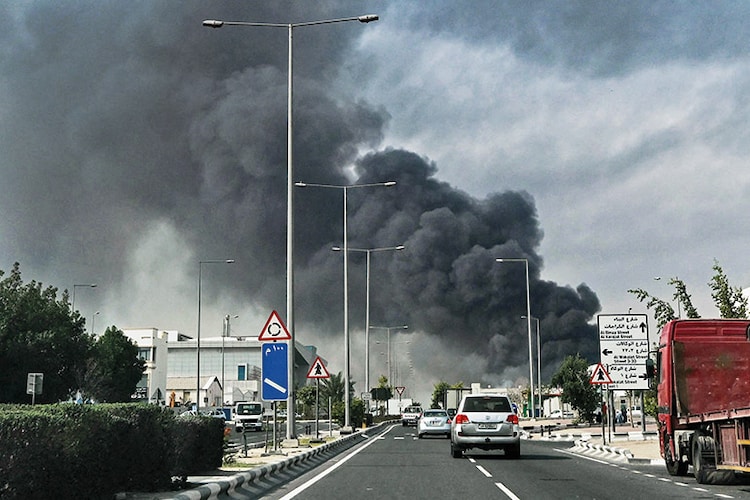
PRIORITISING SOVEREIGNTY
Within this broader context, Qatar has maintained a consistent position advocating dialogue and diplomatic engagement as the only viable means of resolving the conflict. From the outset, it has called for restraint and cautioned against actions that could destabilise the region. However, attacks targeting its territory by Israel on September 9, 2025, and Iran’s ongoing attacks targeting civilian and energy infrastructure have significantly constrained its capacity to function as a mediator. These developments have necessitated a strategic shift toward prioritising national sovereignty and the protection of its population, while continuing to support diplomatic initiatives aimed at ending this war. Although the attacks by Iran have led to suspension of gas production and exports, Qatar’s diplomatic capacity for peace mediation and its soft power influence on the international stage, based on principles of far-sighted strategic vision, remain intact.
Despite the challenges, Qatar has maintained a high level of domestic stability and security. The majority of attacks have been intercepted, allowing for the continuity of daily life and essential services. At the same time, the state has reaffirmed its right under international law to respond to violations of its sovereignty. Nevertheless, the implications of such attacks extend beyond immediate security concerns, as disruptions to energy production and exports pose risks to global markets and challenge Qatar’s role as a reliable energy supplier. Furthermore, such disruptions threaten to constrain the country’s humanitarian and development assistance programmes, which provide critical support to populations affected by conflict in nations, including Sudan, Syria, Gaza and Afghanistan.
A particularly concerning aspect of the conflict is the deliberate targeting of civilian infrastructure, including power plants, water facilities and critical energy installations. Such actions represent a breach of international norms and carry the risk of long-term economic and environmental consequences.
The risks are further amplified by the possibility of attacks on sensitive or nuclear facilities, which could result in severe environmental damage, including radioactive contamination of the Gulf. These dangers underscore the urgent need for adherence to international law and restraint in military conduct.
In response to these violations, Qatar has pursued formal diplomatic channels, including submitting complaints to the United Nations Security Council and engaging directly with the UN secretary-general. These actions reflect a commitment to international law and institutional processes, even as the effectiveness of such mechanisms faces increasing challenges.
The ongoing confrontation between the US, Israel and Iran constitutes a critical test of the resilience of the international system. The weakening of global norms, the vulnerability of essential infrastructure, and the central role of the Gulf region in global energy supply all highlight the far-reaching consequences of continued instability.
SECURING THE STRAIT
At the centre of global concern lies the Strait of Hormuz, one of the most strategically vital maritime chokepoints in the world and a critical conduit for energy and trade. According to maritime data, some 30,000 vessels transit the strait annually, carrying one-fifth of the world’s seaborne oil and liquefied natural gas, along with key materials like urea for fertilisers, aluminium for construction, sulphur for industrial processes and helium for semiconductor production. The disruption to this vital corridor has triggered cascading effects across global supply chains, impacting industries from agriculture and manufacturing to advanced technology.
Recognising these risks, countries worldwide have increasingly emphasised the need for a comprehensive security framework to ensure freedom of navigation through the Strait of Hormuz. Recent international discussions have underscored that its security is a global imperative tied to energy security and economic stability. Achieving this requires coordinated efforts and consensus among stakeholders, particularly the Gulf states that bear the immediate consequences of any disruption.
The ceasefire, secured after a period of global anxiety, presents a rare and pivotal moment, one that must not be squandered. It offers a clear pathway toward a durable peace and the permanent safeguarding of the Strait of Hormuz. Yet this crisis has also laid bare a deeper structural vulnerability: the absence of a robust, internationally coordinated framework to prevent future disruptions in this critical passage.
Any serious effort to translate this fragile pause into lasting stability must move beyond short-term de-escalation. It requires a comprehensive, multilateral approach that recognises both the strategic significance of the strait and the shared responsibility for its security. Crucially, the Gulf states, those most exposed to the economic and security fallout of a conflict not of their making, must be integral to any negotiated settlement. Excluding them would not only undermine the legitimacy of such arrangements but also weaken their long-term viability.
A sustainable peace, therefore, hinges on inclusivity, foresight and international cooperation. Without these, the current calm risks becoming little more than an interlude before the next crisis. For Qatar and its Gulf partners, the path forward lies in balancing security imperatives with economic resilience and diplomatic engagement. For the international community, restoring confidence in multilateral frameworks and preventing further escalation must remain paramount. A sustainable path depends on a collective commitment to diplomacy, adherence to international law and the preservation of global stability before the consequences become unmanageable.
—Dr Khalid Mubarak Al-Shafi is Editor-in-Chief, The Peninsula newspaper, and professor of Mass Communication, UDST, Doha
- Ends