Is Modi government politically dominant but losing the economy? Experts weigh in
The Prime Minister Narendra Modi-led government is all set to complete twelve years in office this month and will enter the third year of its third term.

In a massive jolt to the Aam Aadmi Party on Friday, seven of its Rajya Sabha MPs, including Raghav Chadha, Sandeep Pathak and Ashok Mittal, quit the party and joined the BJP on Friday. Apart from them, four other Aam Aadmi Party Rajya Sabha MPs from Punjab have resigned and merged with the Bharatiya Janata Party. By moving as a two-thirds majority block, these lawmakers invoked the merger clause of the anti-defection law to retain their parliamentary seats while joining the treasury benches.This political shift follows recent federal agency raids on several lawmakers and internal dissent regarding organizational decisions. The Aam Aadmi Party leadership has characterised the mass exodus as a coordinated move, while the BJP gains influential representatives to expand its political footprint ahead of the Punjab state assembly elections. This strategic crossover marks a major realignment in Indian politics, leaving the opposition party to address the loss of key parliamentary voices.
The Prime Minister Narendra Modi-led government is all set to complete twelve years in office this month and will enter the third year of its third term.
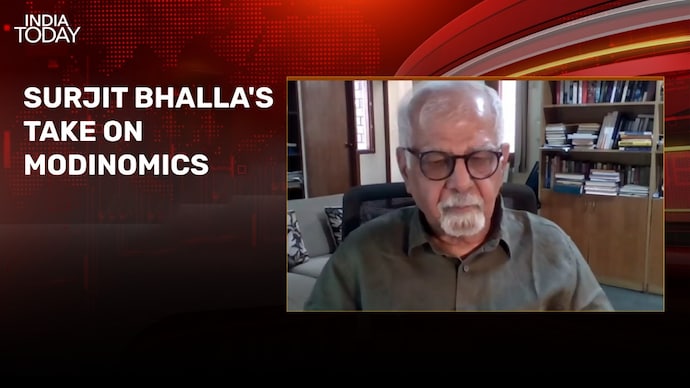
In an exclusive interview with India Today TV, prominent economist and former IMF executive director Surjit Bhalla discussed India's economic performance and the decline in foreign direct investment since 2015.
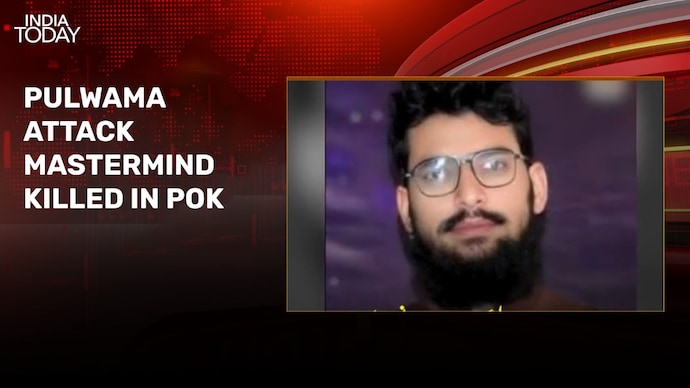
Hamza Burhan, one of the masterminds of the 2019 Pulwama attack, was killed by unknown gunmen in Pakistan-occupied Kashmir's (POK) Muzaffarabad.
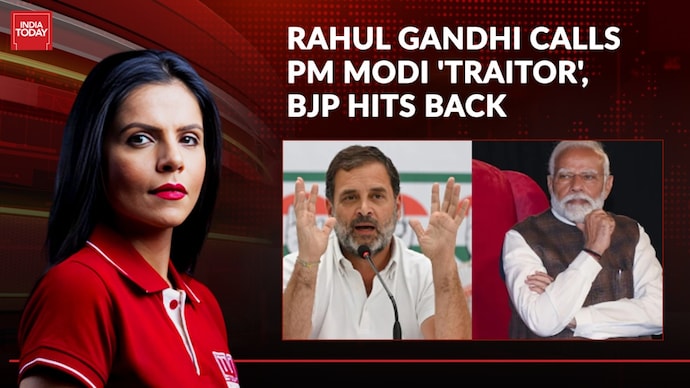
A political controversy has erupted following the opposition's criticism of Prime Minister Narendra Modi's recent foreign visit amidst the ongoing NEET examination paper leak crisis.