
Ek kadak chai: Climate change is taking the punch out of India's favourite drink
India's morning routine of sipping steaming chai is facing an existential crisis. In this week's edition of Climate On My Plate, let's have a look at how India's vast tea gardens are under stress from a warming planet.
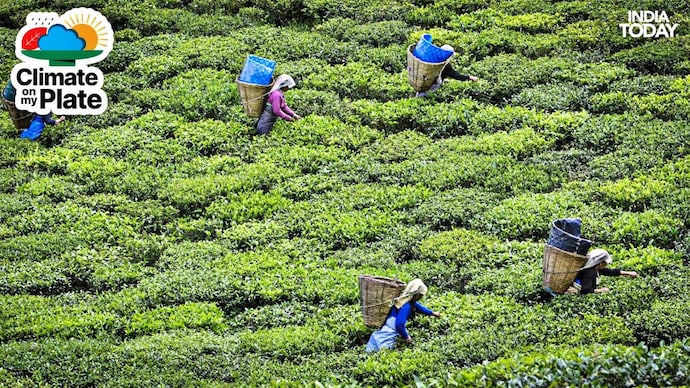

 A cup of chai is India's most democratic ritual. It crosses class, caste, and geography.
Be it the Assam tea garden worker who picks the leaves at dawn or the office commuter clutching a cutting chai at a roadside stall in Mumbai, tea flows through India's veins.
Unfortunately, chai is in trouble as the planet continues to warm. The numbers paint a clear picture of the problem, making it hard to ignore.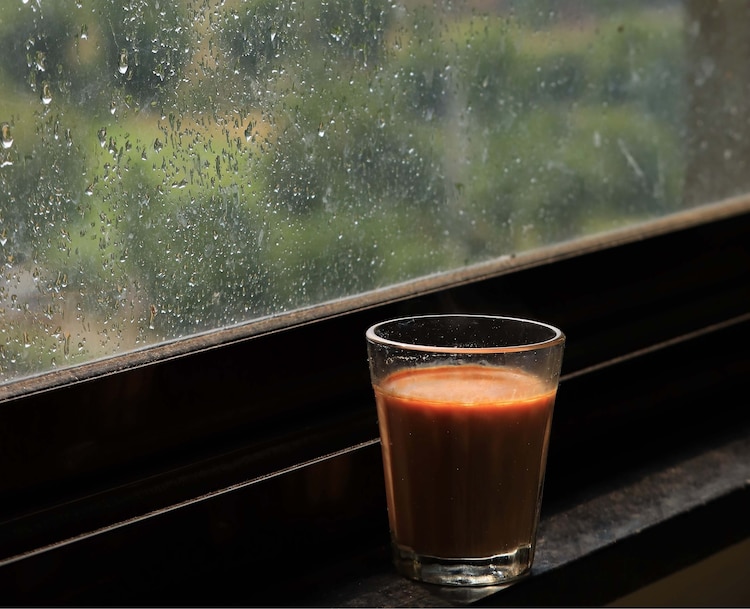
India's total tea production fell by over 90 million kg in 2024 compared to 2023, according to the Tea Board of India, a statutory regulatory body looking at tea cultivation and marketing.
The drop in production is the sharpest single-year drop in recent memory, and the Tea Board itself identified climate change as the primary cause.
WHAT IS HAPPENING TO INDIA'S TEA?
Tea is a famously temperamental crop.
It grows best between 18C and 30C, and even small deviations from that range can trigger cascading effects on yield and quality, said Prashant Sinha, a horticulturist and a former assistant manager at Dewan group of tea estates, one of Assam's premier tea growers.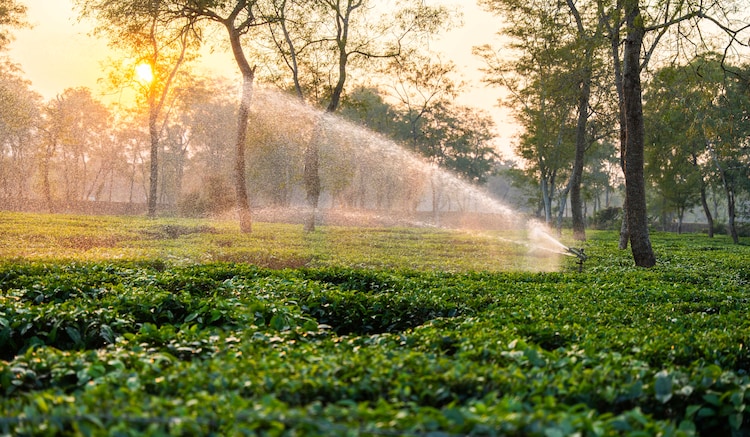
In the case of erratic rains, whether too little or all at once, growth is disrupted. During a normal monsoon, tea leaves are ready to pluck every 5–6 days; weak monsoons slow that cycle significantly, reduce moisture content in harvested leaves, increase fibre, and degrade the quality of made tea.
Naturally, that makes tea the ideal target for climate change. And it is facing the impact of the ever-changing weather.
"The loss varies year to year," said Sinha. "It gives a clear range of impacts already happening and what could happen if climate trends continue."
In Assam, which accounts for approximately 50–55% of India's total tea output, any disruption translates into a national food and economic crisis, not just a regional one.
The ideal growing temperature for Assam tea is around 27C, but temperatures now regularly reach 36C in Guwahati and as high as 40C–41C in Cachar, Jorhat, and Dibrugarh, some of India's most important tea districts.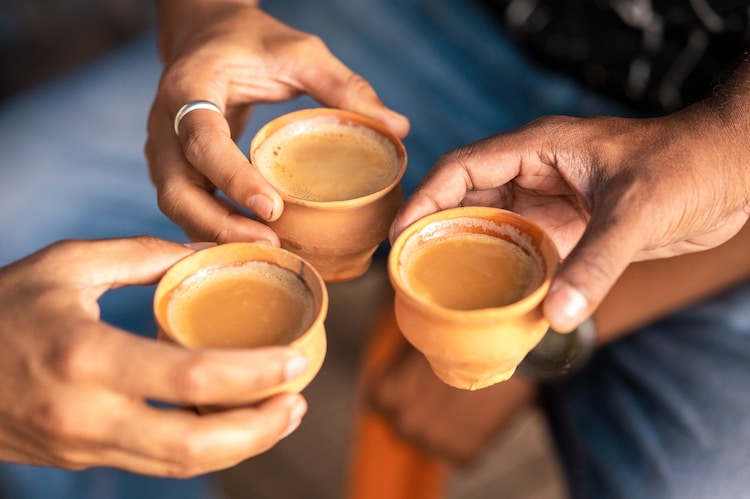
Darjeeling, the source of what is often called the world's finest tea, tells an even starker story.
Production on its 87 estates has fallen from a peak of 14 million kg a year to just 5.25 million kg in 2025, according to the Tea Board of India.
What makes the Darjeeling and upper Assam situation particularly dire is not just quantity but quality.
Tea's character is determined by chemical compounds, mainly polyphenols and amino acids. They form only under precise conditions of temperature, mist, and humidity. Climate shifts alter this biochemistry even when the plant appears healthy on the surface.
The result is tea that may grow, but tastes weaker or bitter and fails to fetch premium prices at auction, a quality crisis that hits revenue harder than a quantity shortfall alone.
The flavour and distinctive aroma that define Darjeeling's finest grades, and the robust body of upper Assam teas, depend on highly specific micro-climatic conditions that are becoming harder to replicate every year.
Losses are becoming more extreme and irregular, not just gradual, Sinha said. If trends continue, in the coming years, yields will drop significantly and so will the area where tea can be grown. As a result, prices will rise and tea will go from being a staple to a luxury, or even obsolete.
DOES INDIA HAVE ANY OTHER OPTION THAN TEA?
Alternatives exist but there is no perfect replacement, and that is precisely what makes the crisis so difficult to resolve.
Tea in India, from the Camellia sinensis family, is a specialised, climate-dependent crop that also happens to be one of India's most important economic and cultural anchors. Alternatives exist, but they solve different parts of the problem at different levels.
A promising adaptation option is agroforestry, which involves farmers planting shade trees, fruit crops, and spices alongside tea plants. This reduces climate risk, improves soil health, and opens multiple income streams without hurting the entire source of income.
But in India, tea will always be irreplaceable.
It supports one of the largest agricultural workforces in the country, drives significant export revenue, and sits at the centre of a supply chain that has been built over more than a century. Switching away from tea at scale would mean rebuilding those supply chains from scratch, retraining farmers with entirely new crops, and surrendering established global markets that competitors would be quick to fill.
The realistic path forward is not replacement but adaptation. But adaptation takes time, investment, and political will, and the gardens are not waiting.
Every season of erratic rain, every per cent of yield lost, every auction lot that fetches less than it once did, narrows the window a little further.
Your morning cup of steaming, fragrant tea might feel permanent and timeless. It's not.