
Scammers cast phishing nets wide in Hormuz with promises of safe passage for ships
Scammers are targeting shipping firms in the Strait of Hormuz, sending phishing messages that promise "safe passage" in exchange for cryptocurrency. Greek risk firm MARISKS warns that stranded vessels are becoming prime targets for such scams.
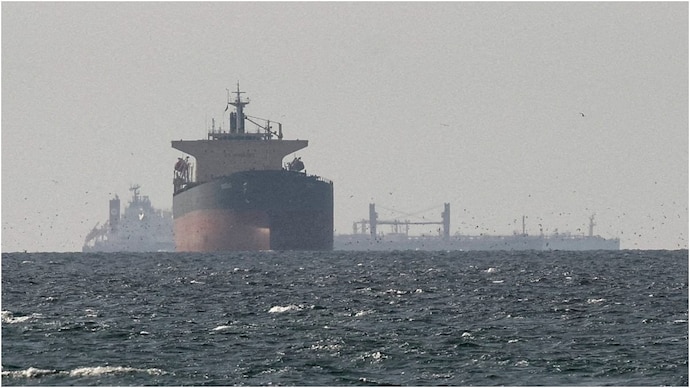

“One man’s misfortune is another man’s opportunity,” goes the adage. With hundreds of merchant vessels stranded in the Strait of Hormuz for nearly two months, opportunists are circling, preying on their desperation. In a rerun reminiscent of the TV series Jamtara, where scammers trap victims through phishing networks, a similar fraud is now unfolding at sea.
With no clarity on when they will reach shore, scammers are casting their 'phishing' nets wide, targeting shipping companies operating in the strait. Fraudulent messages offering “safe passage” in exchange for cryptocurrency are being sent to firms with vessels stuck in the region, Greek maritime risk management firm MARISKS has warned.
This strategic waterway, which once facilitated the passage of nearly one-fifth of the world’s oil and liquefied natural gas, now stands effectively blockaded. Not once, but twice. The United States continues to enforce its blockade on vessels linked to Iran, while Tehran has repeatedly closed and reopened the Strait of Hormuz in response to the standoff.
During ongoing ceasefire discussions, Tehran, which controls this critical chokepoint, has suggested imposing tolls on vessels for safe transit.
On Monday, MARISKS issued an alert to shipowners, warning them that unknown entities, falsely claiming to represent Iranian authorities, had contacted some shipping companies with messages demanding transit fees in cryptocurrencies such as Bitcoin or Tether for 'clearance.'
"These specific messages are a scam," the firm told Reuters, clarifying that the messages were not sent by Iranian authorities.
On April 18, when Iran briefly reopened the strait under controlled conditions, several ships attempted to pass through. However, two Indian vessels came under fire from Iranian forces, forcing them to turn back.
MARISKS reported that it believes at least one vessel, which attempted to exit the strait on Saturday and was subjected to gunfire, fell victim to the fraud scheme.
The message, as cited by MARISKS, stated: "After providing the documents and assessing your eligibility by the Iranian Security Services, we will be able to determine the fee to be paid in cryptocurrency (BTC or USDT). Only then will your vessel be able to transit the strait unimpeded at the pre-agreed time."