How Gen Z and women buyers are turning India into the 2nd-largest diamond market
What if diamonds were no longer saved for "special occasions"? Across India, Gen Z shoppers and self-buying women are increasingly choosing diamonds as everyday luxury, a shift that is helping the country emerge as the world's second-largest diamond market.
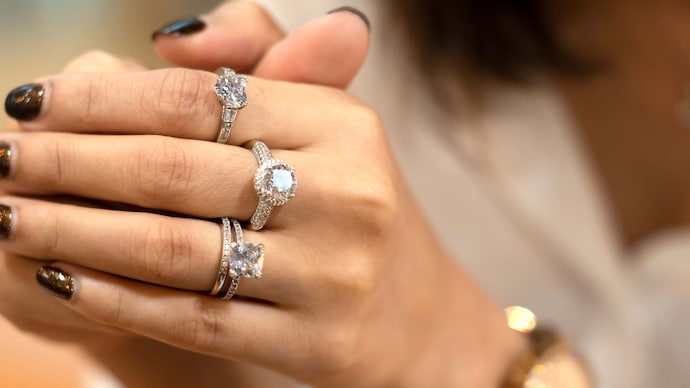
For decades, diamonds in India came with a familiar script. They were bought for weddings, gifted on anniversaries, or carefully locked away in family lockers, brought out only for special occasions.
That script is quietly changing.
Today, a growing number of young Indians are buying diamonds not for someday, but for right now. A pair of diamond studs after a promotion. A pendant to celebrate a personal milestone. A ring bought simply because someone liked it.
And at the centre of this shift are two powerful forces: Gen Z consumers and financially independent women.
Their changing tastes and buying habits are helping India overtake China and Japan to become the world’s second-largest diamond jewellery market, according to the 2025 De Beers India Diamond Acquisition Study. The country now accounts for 12% of global natural diamond jewellery demand.
DIAMONDS ARE NO LONGER WAITING FOR WEDDINGS
For years, diamond jewellery in India was deeply tied to weddings and family occasions. Buying diamonds often meant waiting for a “big moment”.
But younger buyers seem less interested in waiting.
Instead of seeing diamonds as heirlooms meant to sit in lockers, many now see them as wearable luxury — something to enjoy in everyday life.
This change is striking.
Back in 2014, more than half of diamond jewellery purchases in India were reserved for special occasions, while everyday use remained limited. Today, more than half of newly purchased natural diamonds are worn daily.
The message is clear: diamonds are moving out of lockers and into wardrobes.
MEET THE GENERATION POWERING INDIA’S DIAMOND BOOM
If there is one group changing the market fastest, it is Gen Z.
Young Indians aged between 18 and 28 now contribute 51% of the country’s diamond jewellery market value, a sharp rise from previous years. More strikingly, they are spending more per purchase than any other age group, with the average spend touching nearly Rs 1.98 lakh per piece.
This goes against the common belief that younger consumers prefer fast fashion or temporary trends.
Instead, many Gen Z buyers seem willing to spend on products that feel meaningful, rare and personal.
When millennials are added to the picture, younger consumers now account for 86% of India’s diamond jewellery market value — a sign that the future of the market is being shaped by youth.
Shweta Harit, Global SVP at De Beers Group, believes this generational shift is central to India’s rise in the global diamond industry.
“India’s ascent to the position of the world’s second-largest diamond market is a testament to the deep-rooted emotional and cultural connection Indian consumers have with natural diamonds,” she said.
“As global markets evolve, India stands out as a beacon of growth, driven by a generation that values authenticity and rarity.”
THE RISE OF THE WOMAN BUYING DIAMONDS FOR HERSELF
Perhaps the biggest shift is not about age, it is about independence.
Across India, women are increasingly purchasing diamond jewellery for themselves rather than waiting to receive it as a gift.
Outside weddings, a large share of natural diamond jewellery purchases now comes from self-buying women. Some are marking career achievements, others are celebrating birthdays, personal wins, or simply indulging themselves.
Even in wedding shopping, brides are taking greater control over purchases.
This says something bigger about changing aspirations in India.
More women today have financial freedom, independent spending power and the confidence to make luxury purchases without needing an occasion or approval.
A diamond is no longer only a symbol of love from someone else. Increasingly, it is becoming a symbol of self-worth.
WHY ‘LOCKER LUXURY’ IS FADING AWAY
There was a time when expensive jewellery was bought mainly for safekeeping.
Families viewed diamonds as investments to preserve for the future. Pieces stayed locked away, worn occasionally during festivals or weddings.
But today’s consumers want value in a different way.
They want jewellery they can actually wear.
Lighter designs, modern styles and changing fashion habits are making diamonds more wearable for daily life. From office meetings to brunch outings, diamond jewellery is quietly becoming part of everyday dressing.
This changing behaviour reflects a broader lifestyle shift among younger Indians, one that values experiences, self-expression and personal joy.
INDIA’S SPARKLE STORY IS ONLY GETTING BIGGER
India’s diamond jewellery market is currently valued at around Rs 497 billion and is expected to grow sharply in the coming years.
Industry estimates suggest demand could strengthen further as higher-income households expand and millions of women across Tier 1 to Tier 5 cities become part of the luxury market.
But perhaps the bigger story is cultural.
India is no longer buying diamonds only to mark tradition. It is buying them to celebrate individuality, independence and everyday moments.
And that may be the biggest shift of all.
For decades, diamonds in India came with a familiar script. They were bought for weddings, gifted on anniversaries, or carefully locked away in family lockers, brought out only for special occasions.
That script is quietly changing.
Today, a growing number of young Indians are buying diamonds not for someday, but for right now. A pair of diamond studs after a promotion. A pendant to celebrate a personal milestone. A ring bought simply because someone liked it.
And at the centre of this shift are two powerful forces: Gen Z consumers and financially independent women.
Their changing tastes and buying habits are helping India overtake China and Japan to become the world’s second-largest diamond jewellery market, according to the 2025 De Beers India Diamond Acquisition Study. The country now accounts for 12% of global natural diamond jewellery demand.
DIAMONDS ARE NO LONGER WAITING FOR WEDDINGS
For years, diamond jewellery in India was deeply tied to weddings and family occasions. Buying diamonds often meant waiting for a “big moment”.
But younger buyers seem less interested in waiting.
Instead of seeing diamonds as heirlooms meant to sit in lockers, many now see them as wearable luxury — something to enjoy in everyday life.
This change is striking.
Back in 2014, more than half of diamond jewellery purchases in India were reserved for special occasions, while everyday use remained limited. Today, more than half of newly purchased natural diamonds are worn daily.
The message is clear: diamonds are moving out of lockers and into wardrobes.
MEET THE GENERATION POWERING INDIA’S DIAMOND BOOM
If there is one group changing the market fastest, it is Gen Z.
Young Indians aged between 18 and 28 now contribute 51% of the country’s diamond jewellery market value, a sharp rise from previous years. More strikingly, they are spending more per purchase than any other age group, with the average spend touching nearly Rs 1.98 lakh per piece.
This goes against the common belief that younger consumers prefer fast fashion or temporary trends.
Instead, many Gen Z buyers seem willing to spend on products that feel meaningful, rare and personal.
When millennials are added to the picture, younger consumers now account for 86% of India’s diamond jewellery market value — a sign that the future of the market is being shaped by youth.
Shweta Harit, Global SVP at De Beers Group, believes this generational shift is central to India’s rise in the global diamond industry.
“India’s ascent to the position of the world’s second-largest diamond market is a testament to the deep-rooted emotional and cultural connection Indian consumers have with natural diamonds,” she said.
“As global markets evolve, India stands out as a beacon of growth, driven by a generation that values authenticity and rarity.”
THE RISE OF THE WOMAN BUYING DIAMONDS FOR HERSELF
Perhaps the biggest shift is not about age, it is about independence.
Across India, women are increasingly purchasing diamond jewellery for themselves rather than waiting to receive it as a gift.
Outside weddings, a large share of natural diamond jewellery purchases now comes from self-buying women. Some are marking career achievements, others are celebrating birthdays, personal wins, or simply indulging themselves.
Even in wedding shopping, brides are taking greater control over purchases.
This says something bigger about changing aspirations in India.
More women today have financial freedom, independent spending power and the confidence to make luxury purchases without needing an occasion or approval.
A diamond is no longer only a symbol of love from someone else. Increasingly, it is becoming a symbol of self-worth.
WHY ‘LOCKER LUXURY’ IS FADING AWAY
There was a time when expensive jewellery was bought mainly for safekeeping.
Families viewed diamonds as investments to preserve for the future. Pieces stayed locked away, worn occasionally during festivals or weddings.
But today’s consumers want value in a different way.
They want jewellery they can actually wear.
Lighter designs, modern styles and changing fashion habits are making diamonds more wearable for daily life. From office meetings to brunch outings, diamond jewellery is quietly becoming part of everyday dressing.
This changing behaviour reflects a broader lifestyle shift among younger Indians, one that values experiences, self-expression and personal joy.
INDIA’S SPARKLE STORY IS ONLY GETTING BIGGER
India’s diamond jewellery market is currently valued at around Rs 497 billion and is expected to grow sharply in the coming years.
Industry estimates suggest demand could strengthen further as higher-income households expand and millions of women across Tier 1 to Tier 5 cities become part of the luxury market.
But perhaps the bigger story is cultural.
India is no longer buying diamonds only to mark tradition. It is buying them to celebrate individuality, independence and everyday moments.
And that may be the biggest shift of all.

