Topic

Advertisement
TOPIC

Gen Z

Born between the late 1990s and the 2000s, Gen Z or Generation Z is rapidly reshaping global politics, workplace norms and cultural trends as the first true digital-native generation. In 2026, their influence is becoming increasingly visible across sectors.

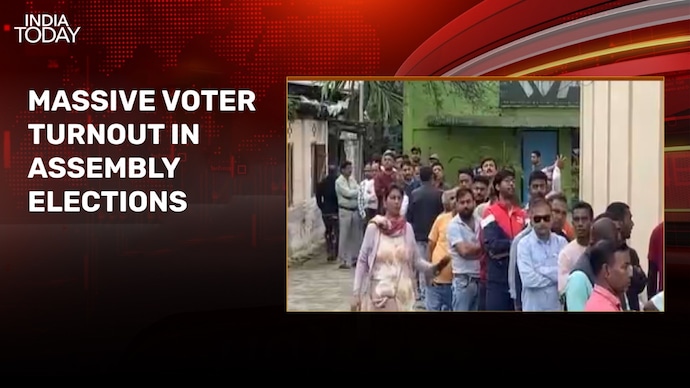
In politics, Gen Z has evolved into a formidable force. The year 2025 saw youth-led, digitally driven movements push for major policy changes in countries such as Nepal, Madagascar, Bulgaria and Peru. In India, their impact has been evident in recent elections, including in Tamil Nadu and West Bengal, where young voters demanded accountability and issue-based politics over traditional loyalties. Much of this mobilisation is happening online, with platforms like Discord and Reddit emerging as hubs for organising campaigns and spreading awareness.

In the workplace, Gen Z is redefining success. Rather than chasing traditional leadership roles, many prioritise a balance between income, purpose, and well-being. Flexible careers, continuous learning, and side hustles are becoming the norm, while attitudes towards artificial intelligence remain mixed, viewed both as a threat and an opportunity.

Culturally, Gen Z is marked by pragmatic idealism and strong advocacy for inclusivity and mental health. Trends like “underconsumption core” and “loud budgeting” reflect a shift towards financial caution and sustainability, while a revival of 1990s and Y2K aesthetics highlights their search for comfort in uncertain times.

...Read More
  • ALL
  • STORIES
  • VIDEOS

STORIES

The cockroach employee: Why Gen Z is built to survive the workplace, not stay loyal

Cockroaches do not survive because they are loyal to one corner of the room. They survive because they adapt fast, move when the space turns harsh, and never stay where they cannot breathe. Many employers now use that same logic to describe Gen Z: a generation that is less interested in staying put and more interested in finding work that feels worth staying for.

The Cockroach Republic

Satirist Kamlesh Singh breaks down the Cockroach Janta Party phenomenon and points out that the Gen Z in India is not a monolith, like the ones in Nepal or Lanka.

Cockroach Party creates fresh X account hours after block; taunts critics in post

The Cockroach Janta Party made a comeback on X with a new account just hours after its original handle was withheld in India, amid its rapidly growing social media popularity. The satirical outfit has recently surpassed the BJP’s Instagram follower count, emerging as a major youth-driven political satire movement online.

Why Vijay's alcohol double shot will resonate with his fans

In Tamil Nadu, alcohol is linked to more than just evening cheers. It spills into cinema, masculinity, and politics. CM C Joseph Vijay is shutting down TASMAC booze shops and enforcing a minimum age for alcohol access. This is why Vijay is confident that the moves won't backfire.

Cockroach Janta Party debuts, admits two TMC MPs within days

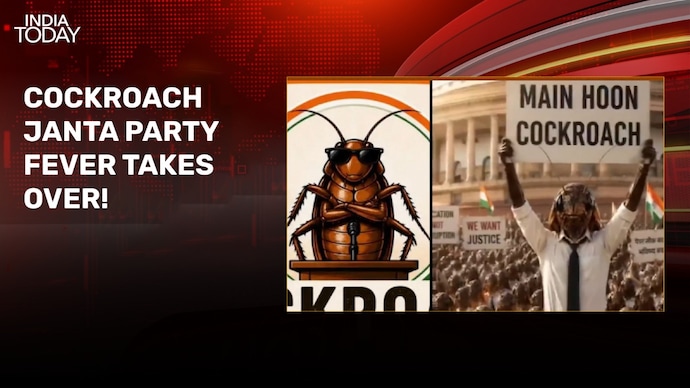
The latest political gimmick or party in India, whichever way you see it, is the Cockroach Janta Party (CJP). Coming right after Chief Justice of India (CJI) Surya Kant's cockroach remarks, the CJP is on a membership drive. Within two days, it has admitted two TMC MPs, Mahua Moitra and Kirti Azad.

'Common man' Vijay swaps veshti-shirt for blazer and pants at oath

Vijay’s attire and messaging marked a political turning point in Tamil Nadu, symbolising a generational shift and the end of an era of Dravidian political norms. With Arvind Kejriwal’s “aam aadmi” image recently under strain amid controversies, Vijay appears to have filled the vacuum.

Load More

VIDEOS

Cockroach Janta Party beats Congress, BJP on Instagram

Just days after it was formed, the Cockroach Janata Party has gained traction on social media following a remark by the Chief Justice of India and has amassed over fourteen million followers on Instagram, surpassing the follower counts of Congress and BJP.

Meet the man behind Cockroach Janta Party

In an exclusive interview with India Today, Abhijeet Dipke, the founder of the Cockroach Janta Party, discusses the growth of his political movement following remarks made by the Chief Justice of India on unemployed youth.

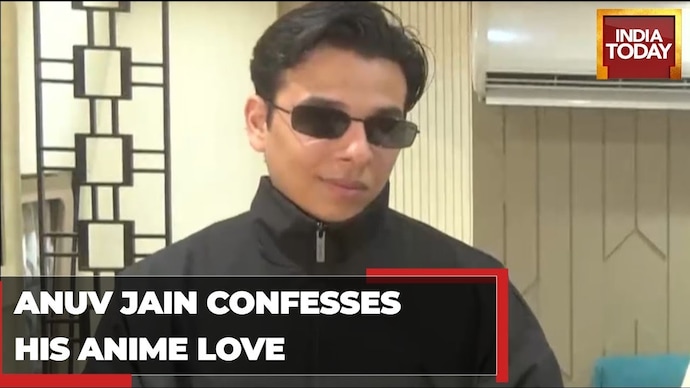
Anuv Jain On His 'Dastakhat' Tour And Connecting With Generations Through Music

On this Special Report, India Today’s Pranjali Sethi speaks with singer-songwriter Anuv Jain about his latest 10-city tour, 'Dastakat'. Reflecting on his journey, Jain states, 'My music connects with people. I don't like to define them in these age brackets.' He explains that 'Dastakat' marks the conclusion of a musical trilogy that began with his previous tours, 'Dastake' and 'Guldasta'. Jain discusses the highs and lows of fame, the surreal experience of audiences singing his lyrics back to him, and his refusal to categorize his listeners by age, noting that his songs resonate with everyone from five-year-olds to seventy-year-olds. The artist also shares his inspirations, citing A.R. Rahman and Billie Eilish as major influences, and reveals a personal side by discussing his passion for anime. He concludes with advice for budding musicians, urging them to block out the noise and focus on the positive while moving forward in their creative journeys.

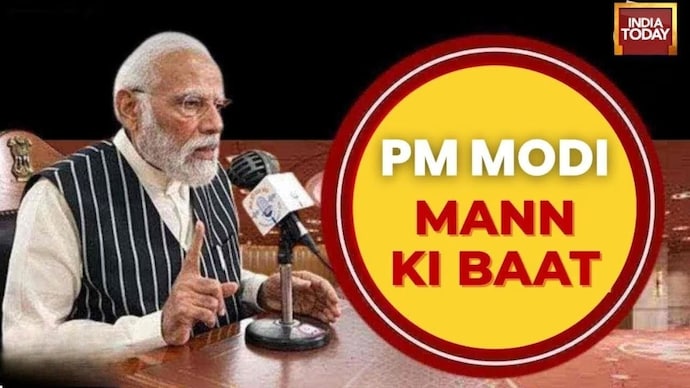
PM Narendra Modi Addresses First Mann Ki Baat Of 2026, Focuses On Quality And Startups

In the first Mann Ki Baat of 2026, Prime Minister Narendra Modi addressed the nation, emphasizing India's transition into a global startup powerhouse and the critical need for manufacturing excellence. Highlighting the 10th anniversary of the Startup India initiative, the Prime Minister stated, 'The meaning of Indian product should be top quality,' urging citizens to move past the 'it works' attitude and adopt a 'Zero Defect, Zero Effect' approach. He lauded the youth for driving innovation in sectors like AI, Space, and Green Hydrogen. The Prime Minister also celebrated National Voters' Day, encouraging new voters to recognize their role in the democracy. The address covered diverse grassroots success stories, including river rejuvenation in Uttar Pradesh, water conservation in Andhra Pradesh, and the global popularity of Indian millets. Additionally, he praised the Indian diaspora in Malaysia for preserving cultural heritage and looked forward to the upcoming India AI Impact Summit.

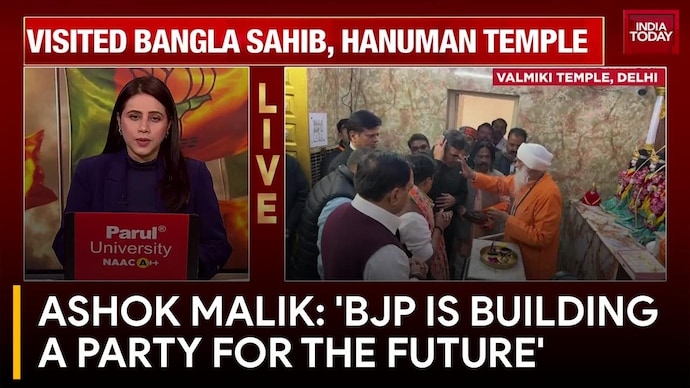
Ashok Malik On Nitin Nabin: 'First BJP President Born After The Party's Founding In 1980'

In this Special Report, political analyst Ashok Malik discusses the significant leadership transition within the Bharatiya Janata Party (BJP) as Nitin Nabin takes over as the party president. Malik highlights the strategic importance of this move, noting, 'This is the first president of the BJP who was born after the founding of the BJP in April 1980.' He explains that the appointment represents a deliberate effort at succession planning, aimed at preparing a new generation of leaders to helm the party by the mid to late 2030s. The discussion touches upon the challenges of re-energising a ruling party after over a decade in power and the necessity of overcoming institutional inertia. Malik commends the BJP for initiating this generational shift to align with a Gen Z dominated electorate while maintaining its focus on governance. The programme also captures the atmosphere at the BJP headquarters as supporters await Prime Minister Narendra Modi's address following the official announcement.

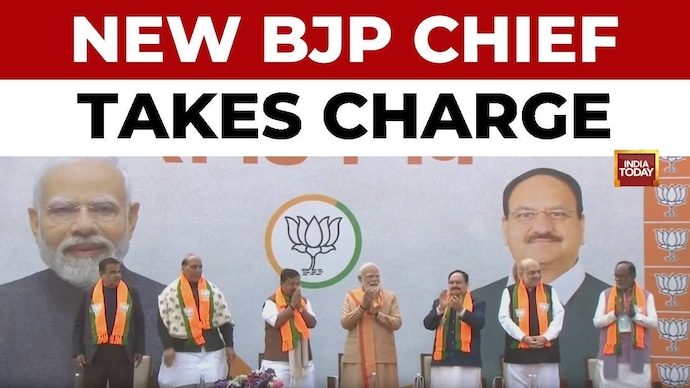
Nitin Nabin Takes Charge As BJP President, Signals Generational Shift To Gen Z

In this Special Report, the focus is on the significant leadership transition within the Bharatiya Janata Party (BJP) as Nitin Nabin takes charge as the new party president. His elevation at the age of 45 marks a strategic generational shift, aiming to resonate with India's evolving demographic, particularly Gen Z and first-time voters. During his first address to Karyakartas, Nitin Naveen stated, 'He is confident of the victory of the party in the upcoming elections.' The programme highlights the party's intent to stay relevant in a fast-changing political landscape while preparing for crucial state elections in West Bengal and Tamil Nadu. Prime Minister Narendra Modi also addressed the gathering, criticizing the Congress for its lack of connection with modern India and raising concerns regarding urban Naxals and infiltration. The report traces the BJP's journey from its 1951 roots to its current position as the central pillar of Indian politics, emphasizing a long-term organizational overhaul for the next two decades.

Nitin Nabin Takes Charge As BJP's Youngest National President At 45

On this Special Report, the focus is on the leadership transition within the Bharatiya Janata Party (BJP) as Nitin Nabin formally takes charge as the national president. At 45, Nabin becomes the youngest president in the party's history, succeeding JP Nadda. The transcript highlights that this shift marks the 'beginning of a new era in the BJP', with a renewed emphasis on youth mobilisation and digital aspiration. Nabin, a five-time MLA from Bihar and former National General Secretary of the Bharatiya Yuva Morcha, is expected to lead the party's expansion into new territories. The ceremony at the BJP headquarters, attended by Prime Minister Narendra Modi, signifies a generational shift aimed at reaching out to Gen Z and the next generation of voters. The programme explores the significance of Nabin's elevation and the party's strategic focus on adaptability and service in a democratic system.