Education Minister admits to NEET breach, NTA chief says no leak. What's going on?
One arm of the government says there was a "breach in the chain of command". Another says the paper was not leaked "through the system". Between those two explanations lies the trust crisis surrounding India's biggest entrance exam.
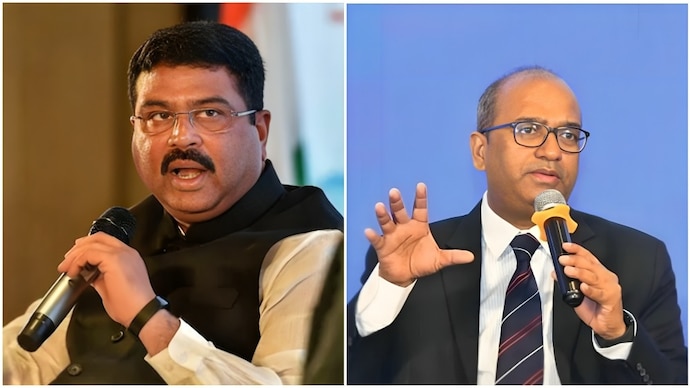
There is one sentence that the National Testing Agency (NTA) would probably like to become the official takeaway from the latest NEET controversy. Appearing before a parliamentary panel on May 21, the NTA Director General (DG) Abhishek Singh reportedly said that the NEET-UG 2026 paper was “not leaked through the system”.
On paper, it sounds like a strong defence. But the problem is that the government’s own version of events sounds very different.
Just days ago, Union Education Minister Dharmendra Pradhan publicly admitted that “there was a breach in the chain of command” in the NEET paper leak case and said the government was taking responsibility for it.
We had reported it here.
And that is where the contradiction becomes impossible to ignore.
A DEFENCE THAT RAISED EVEN BIGGER QUESTIONS
It's a simple argument. If there was a breach in the chain of command, then what exactly is the NTA chief trying to say when he insists the paper was not leaked “through the system”?
To students and parents, this distinction sounds less like clarity and more like careful wording.
After all, the “system” is not just a computer server sitting inside an office building, it (the system) includes every layer involved in conducting an exam of this scale. From printing, packaging, transportation, and custody, to invigilation, coordination, security and oversight.
If the paper escaped somewhere in that chain, most people would still call it a system failure.
And honestly, they would not be wrong.
STUDENTS ARE NOT DEBATING TECHNICALITIES
This is what makes the current messaging around NEET so confusing.
On the one hand, the Centre has acknowledged a breach serious enough to trigger national outrage, CBI investigations and arrests across states. On the other hand, the agency conducting the exam appears focused on establishing that the leak did not originate from its internal digital infrastructure.
That may help administratively. But it does very little to restore public trust because students are not debating technicalities.
A teenager who spends two years preparing for NEET does not care whether the leak happened during printing, transit or distribution. Parents who emptied savings accounts for coaching classes are not going to pause and say, “At least the breach was not from the server.”
For students, the confusion is simple. If the government has already admitted there was a breach, so why is the NTA still refusing to call it a leak? How did the paper get out? Why does nobody want to take responsibility for it? Until these questions are answered, the damage is done.
CBI PROBE MAKES NTA'S POSITION EVEN HARDER TO EXPLAIN
What makes the NTA chief’s defence even more puzzling is that the CBI investigation itself is being built around an alleged paper leak.
In fact, the agency has already arrested a chemistry lecturer (7 days ago), PV Kulkarni, calling him the “kingpin” behind the NEET-UG 2026 paper leak case. Multiple reports have also stated that leaked chemistry questions were allegedly circulated before the exam and sold across states as part of a larger racket under investigation.
If the country’s premier investigative agency is treating the case as a genuine paper leak, complete with arrests, money trails and an alleged organised network, then the obvious question would be why is the NTA still framing the issue so narrowly?
Saying the paper was not leaked “through the system” may be technically defensible, but it increasingly sounds out of step with the scale and direction of the investigation itself.
GOVT'S OWN RESPONSE TELLS ANOTHER STORY
What makes the situation even more striking is the government’s response after the controversy erupted. The Centre has already indicated that NEET may move towards a computer-based format in the future. Such decisions are not taken unless the existing process is seen as vulnerable.
Which is why the current defence by NTA feels oddly incomplete.
The Education Minister’s statement acknowledged institutional failure. The NTA chief’s statement, in contrast, sounded like an attempt to narrow liability. Those are not the same things.
In fact, the language itself reveals the larger crisis unfolding around India’s biggest entrance exam. The issue is no longer only whether a paper leaked. It is whether students still believe the institutions conducting these exams are being fully transparent about what went wrong.
Because students do not experience the exam system in fragments. If any part of the chain fails, the entire system loses credibility. And right now, that trust appears to be leaking faster than the explanations are arriving.
There is one sentence that the National Testing Agency (NTA) would probably like to become the official takeaway from the latest NEET controversy. Appearing before a parliamentary panel on May 21, the NTA Director General (DG) Abhishek Singh reportedly said that the NEET-UG 2026 paper was “not leaked through the system”.
On paper, it sounds like a strong defence. But the problem is that the government’s own version of events sounds very different.
Just days ago, Union Education Minister Dharmendra Pradhan publicly admitted that “there was a breach in the chain of command” in the NEET paper leak case and said the government was taking responsibility for it.
We had reported it here.
And that is where the contradiction becomes impossible to ignore.
A DEFENCE THAT RAISED EVEN BIGGER QUESTIONS
It's a simple argument. If there was a breach in the chain of command, then what exactly is the NTA chief trying to say when he insists the paper was not leaked “through the system”?
To students and parents, this distinction sounds less like clarity and more like careful wording.
After all, the “system” is not just a computer server sitting inside an office building, it (the system) includes every layer involved in conducting an exam of this scale. From printing, packaging, transportation, and custody, to invigilation, coordination, security and oversight.
If the paper escaped somewhere in that chain, most people would still call it a system failure.
And honestly, they would not be wrong.
STUDENTS ARE NOT DEBATING TECHNICALITIES
This is what makes the current messaging around NEET so confusing.
On the one hand, the Centre has acknowledged a breach serious enough to trigger national outrage, CBI investigations and arrests across states. On the other hand, the agency conducting the exam appears focused on establishing that the leak did not originate from its internal digital infrastructure.
That may help administratively. But it does very little to restore public trust because students are not debating technicalities.
A teenager who spends two years preparing for NEET does not care whether the leak happened during printing, transit or distribution. Parents who emptied savings accounts for coaching classes are not going to pause and say, “At least the breach was not from the server.”
For students, the confusion is simple. If the government has already admitted there was a breach, so why is the NTA still refusing to call it a leak? How did the paper get out? Why does nobody want to take responsibility for it? Until these questions are answered, the damage is done.
CBI PROBE MAKES NTA'S POSITION EVEN HARDER TO EXPLAIN
What makes the NTA chief’s defence even more puzzling is that the CBI investigation itself is being built around an alleged paper leak.
In fact, the agency has already arrested a chemistry lecturer (7 days ago), PV Kulkarni, calling him the “kingpin” behind the NEET-UG 2026 paper leak case. Multiple reports have also stated that leaked chemistry questions were allegedly circulated before the exam and sold across states as part of a larger racket under investigation.
If the country’s premier investigative agency is treating the case as a genuine paper leak, complete with arrests, money trails and an alleged organised network, then the obvious question would be why is the NTA still framing the issue so narrowly?
Saying the paper was not leaked “through the system” may be technically defensible, but it increasingly sounds out of step with the scale and direction of the investigation itself.
GOVT'S OWN RESPONSE TELLS ANOTHER STORY
What makes the situation even more striking is the government’s response after the controversy erupted. The Centre has already indicated that NEET may move towards a computer-based format in the future. Such decisions are not taken unless the existing process is seen as vulnerable.
Which is why the current defence by NTA feels oddly incomplete.
The Education Minister’s statement acknowledged institutional failure. The NTA chief’s statement, in contrast, sounded like an attempt to narrow liability. Those are not the same things.
In fact, the language itself reveals the larger crisis unfolding around India’s biggest entrance exam. The issue is no longer only whether a paper leaked. It is whether students still believe the institutions conducting these exams are being fully transparent about what went wrong.
Because students do not experience the exam system in fragments. If any part of the chain fails, the entire system loses credibility. And right now, that trust appears to be leaking faster than the explanations are arriving.

