Gas shortage in Delhi forces government institute to send students home
An LPG shortage has forced a government institute in Delhi to send students home and vacate the campus, with the reason cited being the lack of gas supply in messes and its impact on students.
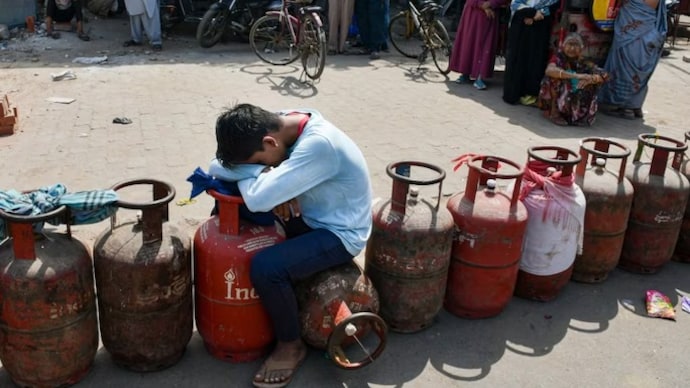
India’s energy stress is no longer a television debate. It has now reached the campus gate. In a development that has raised fresh questions about how deeply the current energy situation is affecting daily life, the Indian Agricultural Research Institute (Pusa Institute) has asked a section of its students to leave the campus and return home, with classes for them set to move online.
The decision, issued through a notice by IARI’s Graduate School on March 25, applies to all undergraduate students, first-year Master’s students and first-year PhD scholars. According to an institute official, nearly 600 students are likely to be affected out of the roughly 1,800 students currently living on campus.
The institute has made it clear that this is not optional.
NOTICE LINKS HOSTEL DISRUPTION TO THE ENERGY CRISIS
The notice directly refers to the “current energy crisis being faced by the country” and says the situation is affecting the functioning of hostels and mess services at the institute.
That is what makes the development striking.
For weeks, the national conversation around the energy situation has mostly revolved around fuel supply, LPG availability, electricity demand and the fallout of tensions in West Asia.
But the IARI notice shows how that broader pressure may now be trickling down into student life, into kitchens, hostel corridors, mess operations and basic residential systems.
Located in Pusa, Delhi, IARI is one of the country’s leading agricultural institutions under the Indian Council of Agricultural Research and depends heavily on its residential campus model.
With a large student population living in hostels, any disruption in electricity, fuel or food operations can quickly turn into an administrative problem.
That appears to be what happened here.
The institute said the decision was taken after internal discussions, consultation with student representatives and consideration of available options.
GOVERNMENT SAYS NO PANIC, BUT CAMPUS ACTION TELLS ANOTHER STORY
The timing of the move is important.
The Centre has repeatedly pushed back against claims of any so-called “energy lockdown” and has maintained that India has enough stocks of key essentials.
Prime Minister Narendra Modi recently said India would face the current challenge with the same “patience, restraint and calmness” it showed during Covid, while also assuring that the country has adequate coal, petrol and other essential supplies.
Reuters also reported that he said India’s economic fundamentals remain strong despite global disruptions.
Yet IARI’s decision suggests that even if there is no nationwide shutdown, institution-level disruptions are already real.
Not all students, however, are being sent home. Higher-year Master’s/MTech and PhD students will continue with offline classes and research work. Faculty members have also been asked to prepare plans for practical sessions once the affected students return.
For now, though, one message is clear: when a national energy strain begins deciding who can stay in a hostel and who must go home, the crisis is no longer abstract.
For students, it has become personal.
India’s energy stress is no longer a television debate. It has now reached the campus gate. In a development that has raised fresh questions about how deeply the current energy situation is affecting daily life, the Indian Agricultural Research Institute (Pusa Institute) has asked a section of its students to leave the campus and return home, with classes for them set to move online.
The decision, issued through a notice by IARI’s Graduate School on March 25, applies to all undergraduate students, first-year Master’s students and first-year PhD scholars. According to an institute official, nearly 600 students are likely to be affected out of the roughly 1,800 students currently living on campus.
The institute has made it clear that this is not optional.
NOTICE LINKS HOSTEL DISRUPTION TO THE ENERGY CRISIS
The notice directly refers to the “current energy crisis being faced by the country” and says the situation is affecting the functioning of hostels and mess services at the institute.
That is what makes the development striking.
For weeks, the national conversation around the energy situation has mostly revolved around fuel supply, LPG availability, electricity demand and the fallout of tensions in West Asia.
But the IARI notice shows how that broader pressure may now be trickling down into student life, into kitchens, hostel corridors, mess operations and basic residential systems.
Located in Pusa, Delhi, IARI is one of the country’s leading agricultural institutions under the Indian Council of Agricultural Research and depends heavily on its residential campus model.
With a large student population living in hostels, any disruption in electricity, fuel or food operations can quickly turn into an administrative problem.
That appears to be what happened here.
The institute said the decision was taken after internal discussions, consultation with student representatives and consideration of available options.
GOVERNMENT SAYS NO PANIC, BUT CAMPUS ACTION TELLS ANOTHER STORY
The timing of the move is important.
The Centre has repeatedly pushed back against claims of any so-called “energy lockdown” and has maintained that India has enough stocks of key essentials.
Prime Minister Narendra Modi recently said India would face the current challenge with the same “patience, restraint and calmness” it showed during Covid, while also assuring that the country has adequate coal, petrol and other essential supplies.
Reuters also reported that he said India’s economic fundamentals remain strong despite global disruptions.
Yet IARI’s decision suggests that even if there is no nationwide shutdown, institution-level disruptions are already real.
Not all students, however, are being sent home. Higher-year Master’s/MTech and PhD students will continue with offline classes and research work. Faculty members have also been asked to prepare plans for practical sessions once the affected students return.
For now, though, one message is clear: when a national energy strain begins deciding who can stay in a hostel and who must go home, the crisis is no longer abstract.
For students, it has become personal.

