What triggers high blood pressure and when should you see a doctor?
Doctors say high blood pressure is increasingly being detected in young Indians. Without clear symptoms, people should look out for frequent headaches, dizziness, chest discomfort, unusual tiredness, blurred vision or shortness of breath.
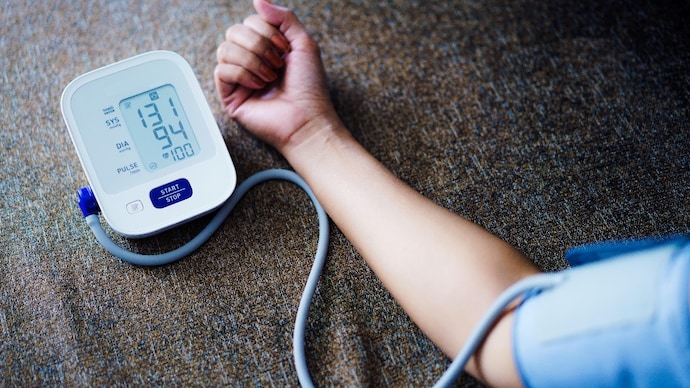
High blood pressure, also called hypertension, is becoming increasingly common among younger adults in India. Doctors are now seeing more people beginning in their 30s dealing with rising blood pressure levels due to stress, unhealthy eating habits and inactive lifestyles.
According to Dr. Amit Kumar Pandey, Associate Consultant, Cardiology at Regency Health, lifestyle changes over the years have played a major role in this shift.
One of the biggest contributors is excess salt intake. Many packaged snacks, processed foods and restaurant meals contain high amounts of sodium, which can gradually increase blood pressure levels.
“One of the biggest triggers is excess salt intake, especially through packaged snacks, processed food and restaurant meals. Lack of physical activity, weight gain, smoking, alcohol consumption, poor sleep and long working hours also increase the risk,” he said.
The summer season can also affect people who already have blood pressure or heart-related conditions. Dehydration and extreme heat may disturb the body’s fluid balance, which can impact blood pressure levels.
One of the biggest concerns with hypertension is that many people may not realise they have it. High blood pressure is often called a “silent condition” because it may not show obvious symptoms in the early stages.
| Blood Pressure Category | Systolic (mmHg) | Diastolic (mmHg) |
|---|---|---|
| Normal | Less than 120 | Less than 80 |
| Elevated | 120–129 | Less than 80 |
| Stage 1 Hypertension | 130–139 | 80–89 |
| Stage 2 Hypertension | 140 or higher | 90 or higher |
| Hypertensive Crisis | Higher than 180 | Higher than 120 |
However, doctors say some warning signs should not be ignored. Frequent headaches, dizziness, chest discomfort, blurred vision, unusual tiredness or shortness of breath could point to rising blood pressure levels.
“Many people do not realise they have hypertension because it often shows no clear symptoms in the early stages. However, frequent headaches, dizziness, chest discomfort, unusual tiredness, blurred vision or shortness of breath should not be ignored,” Dr. Pandey said.
People with a family history of hypertension, diabetes or heart disease should get their blood pressure checked regularly, even if they feel healthy.
Doctors advise seeking medical help if blood pressure readings remain consistently high, especially above 140/90 mmHg, or if symptoms keep returning.
“It is important to see a doctor if blood pressure readings remain consistently high, especially above 140/90 mmHg, or if symptoms keep returning. Early diagnosis and simple lifestyle changes can help prevent serious complications like heart attack, stroke and kidney damage later on,” Dr. Pandey said.
Experts say simple lifestyle changes such as reducing salt intake, exercising regularly, sleeping well, managing stress and staying hydrated can go a long way in keeping blood pressure under control.
High blood pressure, also called hypertension, is becoming increasingly common among younger adults in India. Doctors are now seeing more people beginning in their 30s dealing with rising blood pressure levels due to stress, unhealthy eating habits and inactive lifestyles.
According to Dr. Amit Kumar Pandey, Associate Consultant, Cardiology at Regency Health, lifestyle changes over the years have played a major role in this shift.
One of the biggest contributors is excess salt intake. Many packaged snacks, processed foods and restaurant meals contain high amounts of sodium, which can gradually increase blood pressure levels.
“One of the biggest triggers is excess salt intake, especially through packaged snacks, processed food and restaurant meals. Lack of physical activity, weight gain, smoking, alcohol consumption, poor sleep and long working hours also increase the risk,” he said.
The summer season can also affect people who already have blood pressure or heart-related conditions. Dehydration and extreme heat may disturb the body’s fluid balance, which can impact blood pressure levels.
One of the biggest concerns with hypertension is that many people may not realise they have it. High blood pressure is often called a “silent condition” because it may not show obvious symptoms in the early stages.
| Blood Pressure Category | Systolic (mmHg) | Diastolic (mmHg) |
|---|---|---|
| Normal | Less than 120 | Less than 80 |
| Elevated | 120–129 | Less than 80 |
| Stage 1 Hypertension | 130–139 | 80–89 |
| Stage 2 Hypertension | 140 or higher | 90 or higher |
| Hypertensive Crisis | Higher than 180 | Higher than 120 |
However, doctors say some warning signs should not be ignored. Frequent headaches, dizziness, chest discomfort, blurred vision, unusual tiredness or shortness of breath could point to rising blood pressure levels.
“Many people do not realise they have hypertension because it often shows no clear symptoms in the early stages. However, frequent headaches, dizziness, chest discomfort, unusual tiredness, blurred vision or shortness of breath should not be ignored,” Dr. Pandey said.
People with a family history of hypertension, diabetes or heart disease should get their blood pressure checked regularly, even if they feel healthy.
Doctors advise seeking medical help if blood pressure readings remain consistently high, especially above 140/90 mmHg, or if symptoms keep returning.
“It is important to see a doctor if blood pressure readings remain consistently high, especially above 140/90 mmHg, or if symptoms keep returning. Early diagnosis and simple lifestyle changes can help prevent serious complications like heart attack, stroke and kidney damage later on,” Dr. Pandey said.
Experts say simple lifestyle changes such as reducing salt intake, exercising regularly, sleeping well, managing stress and staying hydrated can go a long way in keeping blood pressure under control.

