SC junks plea against poll body's transfers of top Bengal cops and bureaucrats
The Supreme Court dismissed a plea challenging the Election Commission's decision to transfer senior bureaucrats and police officers in West Bengal ahead of the April 23 and 29 Assembly elections, saying such steps were routine to ensure free and fair polls.
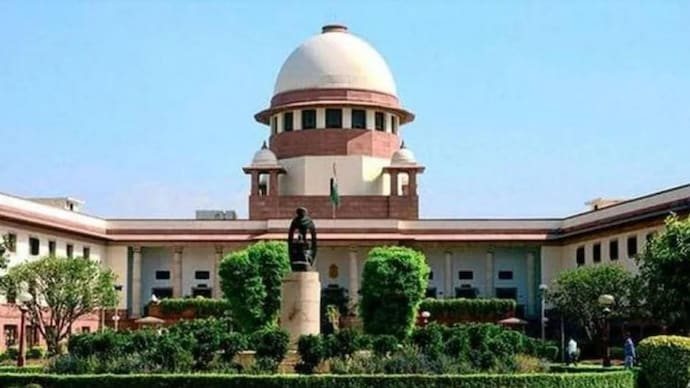
The Supreme Court on Thursday dismissed a plea challenging the Election Commission's decision to transfer senior bureaucrats and police officers in West Bengal ahead of the April 23 and 29 Assembly elections, observing that such measures were routine to ensure free and fair polls.
A bench led by Chief Justice of India (CJI) Surya Kant said, “It happens everywhere. Not the first time,” while declining to interfere with the large-scale reshuffle ordered after the Model Code of Conduct (MCC) came into force in West Bengal.
The Supreme Court was hearing an appeal against an order of the Calcutta High Court, which had upheld the transfers of key officials, including the Chief Secretary, Director General of Police, Home Secretary and several District Magistrates and Superintendents of Police.
Appearing for the petitioner, senior advocate Kalyan Banerjee argued that the poll body acted without consulting the state government, calling the process “in contravention” of the Representation of the People Act, 1951. “The power of superintendence does not take away legislative power... State consultation is needed,” Bar and Bench quoted him as saying.
The petition, filed by advocate Arka Kumar Nag, alleged that the Election Commission carried out large-scale transfers, effectively removing a substantial portion of West Bengal’s senior administrative and police leadership.
Nag alleged that several senior IPS officers from the state cadre were sent out on election observer duties to states such as Tamil Nadu, Kerala and Nagaland. He claimed that the Election Commission's move was prejudicial to public interest and violated the principles of federalism.
The bench, however, pushed back, noting that such transfers are not unprecedented and are part of standard election management practices. It also remarked that “an observer from outside the state is always ideal” to ensure neutrality in the electoral process.
At the same time, the court acknowledged merit in the legal question raised. “Petitioner has raised substantial questions of law. However, we are not intervening in it as of now. Question of law is kept open,” the bench said, indicating that the issue of mandatory consultation with the state could be examined in a future case.
The High Court, in its earlier ruling, had held that once the petitioner himself acknowledged the Election Commission’s power to transfer officials, there was no reason for the court to undertake a “roving enquiry” into the exercise of that authority. It also observed that the reshuffle had not caused any “administrative numbness” in the state.
The controversy erupted last month when the Election Commission ordered widespread transfers across the state, drawing objections from the West Bengal government, which accused the poll body of acting unilaterally and undermining the authority of the elected administration.
The Supreme Court on Thursday dismissed a plea challenging the Election Commission's decision to transfer senior bureaucrats and police officers in West Bengal ahead of the April 23 and 29 Assembly elections, observing that such measures were routine to ensure free and fair polls.
A bench led by Chief Justice of India (CJI) Surya Kant said, “It happens everywhere. Not the first time,” while declining to interfere with the large-scale reshuffle ordered after the Model Code of Conduct (MCC) came into force in West Bengal.
The Supreme Court was hearing an appeal against an order of the Calcutta High Court, which had upheld the transfers of key officials, including the Chief Secretary, Director General of Police, Home Secretary and several District Magistrates and Superintendents of Police.
Appearing for the petitioner, senior advocate Kalyan Banerjee argued that the poll body acted without consulting the state government, calling the process “in contravention” of the Representation of the People Act, 1951. “The power of superintendence does not take away legislative power... State consultation is needed,” Bar and Bench quoted him as saying.
The petition, filed by advocate Arka Kumar Nag, alleged that the Election Commission carried out large-scale transfers, effectively removing a substantial portion of West Bengal’s senior administrative and police leadership.
Nag alleged that several senior IPS officers from the state cadre were sent out on election observer duties to states such as Tamil Nadu, Kerala and Nagaland. He claimed that the Election Commission's move was prejudicial to public interest and violated the principles of federalism.
The bench, however, pushed back, noting that such transfers are not unprecedented and are part of standard election management practices. It also remarked that “an observer from outside the state is always ideal” to ensure neutrality in the electoral process.
At the same time, the court acknowledged merit in the legal question raised. “Petitioner has raised substantial questions of law. However, we are not intervening in it as of now. Question of law is kept open,” the bench said, indicating that the issue of mandatory consultation with the state could be examined in a future case.
The High Court, in its earlier ruling, had held that once the petitioner himself acknowledged the Election Commission’s power to transfer officials, there was no reason for the court to undertake a “roving enquiry” into the exercise of that authority. It also observed that the reshuffle had not caused any “administrative numbness” in the state.
The controversy erupted last month when the Election Commission ordered widespread transfers across the state, drawing objections from the West Bengal government, which accused the poll body of acting unilaterally and undermining the authority of the elected administration.

