TOPIC
Supreme Court
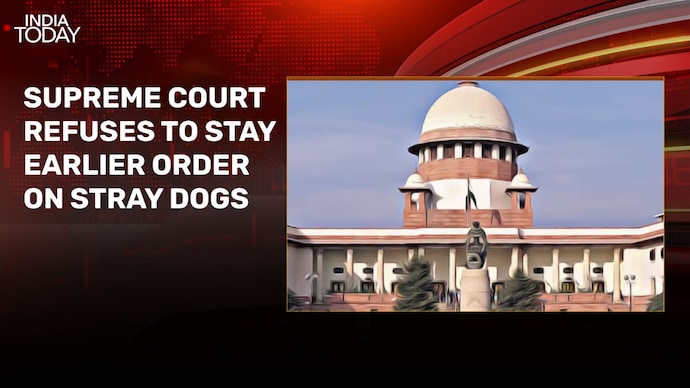
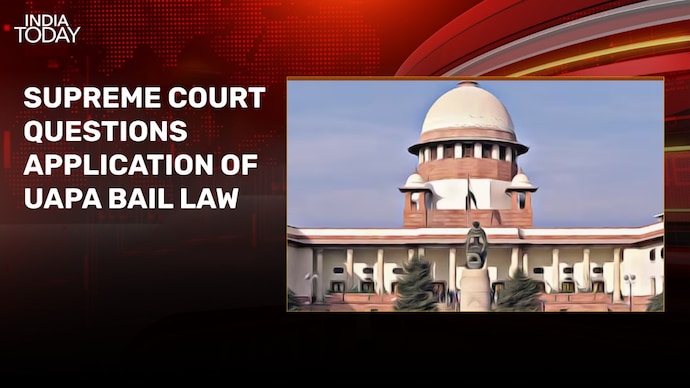
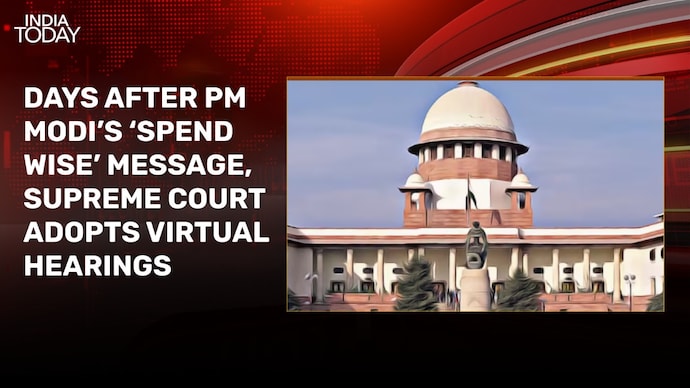
The Supreme Court of India is the highest judicial court and the final court of appeal under the Constitution of India, the highest constitutional court, with the power of judicial review. Established on January 26, 1950, it replaced both the Federal Court of India and the Judicial Committee of the Privy Council which were then at the apex of the Indian court system.
The Supreme Court comprises the Chief Justice and a maximum of 34 judges, appointed by the President of India. The qualifications for appointment are being a citizen of India and having served as a judge in one or more high courts for at least five years or having been an advocate in a high court for ten years or possessing distinguished juristic knowledge. The Chief Justice of India is appointed based on seniority and not on merit alone.
The primary function of the Supreme Court is to adjudicate disputes involving questions of constitutional and legal significance. It has original, appellate, and advisory jurisdictions. Under its original jurisdiction, the court hears disputes between various units of the Indian federation (central government, state governments, and union territories), while its appellate jurisdiction involves appeals against judgments of lower courts. The Supreme Court also possesses a significant power of judicial review, enabling it to invalidate legislation or actions of the executive, both at the federal and state levels, if they are found unconstitutional.
One of the notable features of the Supreme Court is its power of Public Interest Litigation (PIL). This allows the court to hear cases on the basis of petitions filed by public-spirited individuals or organizations, not just affected parties. This has been instrumental in enhancing social justice and protecting public welfare.
The Supreme Court has played a crucial role in the evolution of Indian law and has been pivotal in interpreting the Constitution, thereby shaping India's legal landscape. Its landmark judgments have addressed critical issues including fundamental rights, environmental protection, gender equality, and the balance of powers between the central and state governments.