Police won't forcibly vacate Delhi Gymkhana: Government to High Court amid row
As Delhi Gymkhana members objected to the takeover move, the government assured in court that no forcible eviction would take place. The judge also pointed out to petitioners that their membership would continue even if the land was eventually reclaimed by the Centre.
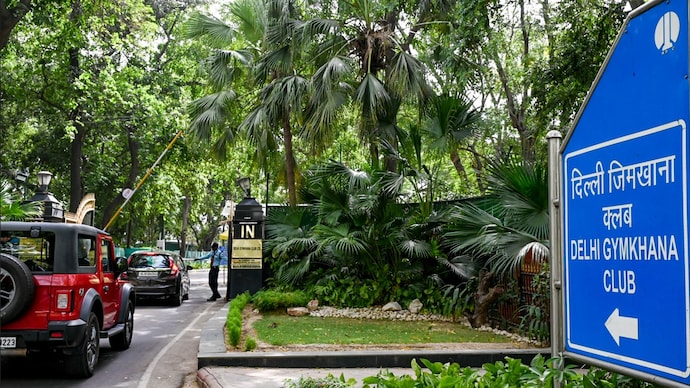
The government on Tuesday assured the Delhi High Court that it would not forcibly take possession of the prestigious Delhi Gymkhana Club premises and would follow due process under the law if the club failed to vacate the land by June 5.
The assurance came during a hearing on the plea by club members challenging the government’s order directing it to vacate its 27.3-acre property at 2, Safdarjung Road in Lutyens’ Delhi for defence and security-related purposes.
Solicitor General Tushar Mehta, appearing for the Centre, told the court that June 5 was only the date given to the club to vacate voluntarily.
"We will not take possession except in accordance with law," Mehta said.
"June 5 is when we have given them the option to vacate on its own. Suppose they don’t, it’s not that police will rush in and forcible possession will be taken. The procedure under law regarding eviction of public premises will be taken," he added.
The court then asked if it could record the Centre’s statement, to which Mehta replied in the affirmative.
Senior advocate Abhishek Manu Singhvi, representing the club members, urged the High Court to either order status quo or record the government’s assurance that no coercive action would follow. He argued the takeover order was "non-specific" and contradictory, citing vague references to "institutional needs", "defence" and "public infrastructure".
"A club running for 100 years can wait till July," Singhvi remarked.
The Solicitor General, however, said the petitioners’ real apprehension was that the Centre-appointed committee managing the club could hand over possession. "The committee has already objected," Mehta pointed out.
During the hearing, the court also told the petitioners, who are club members, "Even if the land is taken, your membership remains. You are not the lessee." (A renter in layman terms)
Mehta further said the Delhi Gymkhana would be offered an alternative site for its premises.
Singhvi pushed back, stating, "My stand is simple -- don’t take action pursuant to the order till the next date of hearing."
After recording Solicitor General Tushar Mehta’s assurance that any eviction would be carried out only in accordance with law and after prior notice, the court declined to pass interim directions in the case.
It issued summons in the matter and directed the respondents to file their written statements within eight weeks. The matter will next be heard on July 28.
Meanwhile, another suit was filed before the High Court on behalf of the club’s last elected governing body. Senior advocate Kapil Sibal, appearing for the petitioners, sought an urgent hearing and requested that the matter be heard along with the connected case already listed before the court.
The High Court permitted Sibal to advance his submissions in the matter.
WHY GOVT SERVED EVICTION NOTICE
On May 22, the Land and Development Office, under the Ministry of Housing and Urban Affairs, directed the club to hand over the property by June 5, invoking Clause 4 of the original lease agreement, which allows the government to reclaim the land for a "public purpose".
According to the Centre, the land, located near the Prime Minister’s residence and other high-security establishments, is required for "strengthening defence infrastructure, governance-related facilities and other critical public security requirements".
The government notice to Delhi Gymkhana stated that the entire land parcel, including "all buildings, standing erections, structures, lawns and fittings", would vest with the President through the Land and Development Office upon re-entry.
WHAT DELHI GYMKHANA CONTENDS
In its petition before the High Court, the club argued that the Centre had cited vague and general reasons such as "defence infrastructure" and "public security purposes" without providing any details or supporting material.
Calling the move a "sham", the club said the order failed to provide compensation for the land, premium paid, or structures standing on the property.
The club also argued that the action violated Article 300A of the Constitution and claimed the government had earlier acknowledged its ownership rights in a 2009 communication stating that its "ownership and titles stand restored".
The petition further alleged that the takeover was part of a larger attempt to gain control over the institution, including efforts to take over its management, and accused the government of trying to carry out a forced eviction through executive action instead of due legal process.
Established in 1913 as the Imperial Delhi Gymkhana Club during British rule, the institution was renamed after Independence in 1947. Most of its existing structures were built in the 1930s.
The government on Tuesday assured the Delhi High Court that it would not forcibly take possession of the prestigious Delhi Gymkhana Club premises and would follow due process under the law if the club failed to vacate the land by June 5.
The assurance came during a hearing on the plea by club members challenging the government’s order directing it to vacate its 27.3-acre property at 2, Safdarjung Road in Lutyens’ Delhi for defence and security-related purposes.
Solicitor General Tushar Mehta, appearing for the Centre, told the court that June 5 was only the date given to the club to vacate voluntarily.
"We will not take possession except in accordance with law," Mehta said.
"June 5 is when we have given them the option to vacate on its own. Suppose they don’t, it’s not that police will rush in and forcible possession will be taken. The procedure under law regarding eviction of public premises will be taken," he added.
The court then asked if it could record the Centre’s statement, to which Mehta replied in the affirmative.
Senior advocate Abhishek Manu Singhvi, representing the club members, urged the High Court to either order status quo or record the government’s assurance that no coercive action would follow. He argued the takeover order was "non-specific" and contradictory, citing vague references to "institutional needs", "defence" and "public infrastructure".
"A club running for 100 years can wait till July," Singhvi remarked.
The Solicitor General, however, said the petitioners’ real apprehension was that the Centre-appointed committee managing the club could hand over possession. "The committee has already objected," Mehta pointed out.
During the hearing, the court also told the petitioners, who are club members, "Even if the land is taken, your membership remains. You are not the lessee." (A renter in layman terms)
Mehta further said the Delhi Gymkhana would be offered an alternative site for its premises.
Singhvi pushed back, stating, "My stand is simple -- don’t take action pursuant to the order till the next date of hearing."
After recording Solicitor General Tushar Mehta’s assurance that any eviction would be carried out only in accordance with law and after prior notice, the court declined to pass interim directions in the case.
It issued summons in the matter and directed the respondents to file their written statements within eight weeks. The matter will next be heard on July 28.
Meanwhile, another suit was filed before the High Court on behalf of the club’s last elected governing body. Senior advocate Kapil Sibal, appearing for the petitioners, sought an urgent hearing and requested that the matter be heard along with the connected case already listed before the court.
The High Court permitted Sibal to advance his submissions in the matter.
WHY GOVT SERVED EVICTION NOTICE
On May 22, the Land and Development Office, under the Ministry of Housing and Urban Affairs, directed the club to hand over the property by June 5, invoking Clause 4 of the original lease agreement, which allows the government to reclaim the land for a "public purpose".
According to the Centre, the land, located near the Prime Minister’s residence and other high-security establishments, is required for "strengthening defence infrastructure, governance-related facilities and other critical public security requirements".
The government notice to Delhi Gymkhana stated that the entire land parcel, including "all buildings, standing erections, structures, lawns and fittings", would vest with the President through the Land and Development Office upon re-entry.
WHAT DELHI GYMKHANA CONTENDS
In its petition before the High Court, the club argued that the Centre had cited vague and general reasons such as "defence infrastructure" and "public security purposes" without providing any details or supporting material.
Calling the move a "sham", the club said the order failed to provide compensation for the land, premium paid, or structures standing on the property.
The club also argued that the action violated Article 300A of the Constitution and claimed the government had earlier acknowledged its ownership rights in a 2009 communication stating that its "ownership and titles stand restored".
The petition further alleged that the takeover was part of a larger attempt to gain control over the institution, including efforts to take over its management, and accused the government of trying to carry out a forced eviction through executive action instead of due legal process.
Established in 1913 as the Imperial Delhi Gymkhana Club during British rule, the institution was renamed after Independence in 1947. Most of its existing structures were built in the 1930s.

