Punjab's healthcare push: Cashless treatment for 7,300 maternal, neonatal cases
The development comes against the backdrop of growing concern over maternal health risks in India. A study based on the National Family Health Survey (NFHS-5) found that nearly one in every two pregnancies in the country is categorised as high-risk.
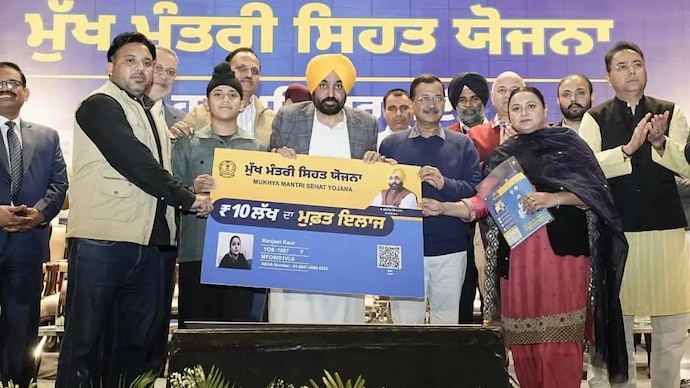
The Sehat Card under Punjab’s Mukh Mantri Sehat Yojana, which provides cashless health coverage of up to Rs 10 lakh per family, is emerging as a major support system for maternal and neonatal healthcare in the state.
According to the Punjab government, 7,300 maternity and neonatal care cases had been treated under the scheme as of May 25, helping families access critical deliveries and newborn care without financial strain.
Officials said the Sehat Card has become especially crucial for women requiring surgical intervention during childbirth due to complications such as prolonged labour, maternal health issues, fetal distress and previous caesarean deliveries.
Data from the State Health Agency (SHA), Punjab, showed that the treatment of these 7,300 cases involved an expenditure of Rs 7.04 crore. Of these, nearly 5,300 were high-risk caesarean deliveries, accounting for Rs 6.37 crore, underlining the growing dependence on the scheme for emergency obstetric care across the state.
The development comes against the backdrop of growing concern over maternal health risks in India. A study based on the National Family Health Survey (NFHS-5) found that nearly one in every two pregnancies in the country is categorised as high-risk. Researchers identified factors such as poverty, low education levels, short gaps between pregnancies, previous birth complications and prior caesarean deliveries as major contributors to maternal and neonatal risk.
BENEFICIARIES HAIL SCHEME
Several beneficiaries said the scheme had eased the financial burden associated with childbirth and medical emergencies.
Deepika, a 28-year-old woman from Patiala who suffered pregnancy-related complications including anaemia, underwent a caesarean delivery fully covered under the Sehat Card. Her husband, Manoj, said the family was relieved that the treatment process remained smooth and stress-free due to the cashless facility.
Another beneficiary, 31-year-old Diksha Sonkar, received maternal and neonatal care during the birth of her third child at PIMS Medical College Hospital. Her husband, Vikas Sonkar, a daily wage labourer, said medical emergencies often force low-income families into debt.
“Even the mention of a hospital creates fear for us because we usually have to borrow money at high interest during emergencies. But with the Sehat Card, everything was taken care of,” he said.
NEONATAL CARE DATA
Punjab government data also highlighted the scheme’s role in neonatal healthcare.
So far, approximately 44.8 lakh registrations have been made under the scheme. According to the SHA, 2,094 infants received treatment under various neonatal care packages covered by the scheme.
Basic Neonatal Care, meant for newborns managed alongside their mothers, benefited 881 infants with expenditure of Rs 5.82 lakh. Another 777 infants requiring short-term ICU support received treatment under the Special Neonatal Care Package, involving expenditure of Rs 28.27 lakh.
The Intensive Neonatal Care Package supported 207 newborns who required CPAP support, short-term ventilation or treatment for conditions such as neonatal sepsis. Treatment under this category amounted to Rs 15.65 lakh.
Official data further showed that 116 highly vulnerable infants weighing between 1,200 and 1,499 grams, or requiring prolonged ventilator support, received Advanced Neonatal Care at a cost of Rs 9.30 lakh.
Critical Neonatal Care benefitted 64 infants suffering from extreme prematurity, severe medical instability or multi-system complications, with expenditure reaching Rs 7.88 lakh.
Additionally, prolonged chronic neonatal care support was provided to 18 infants, while another 17 infants requiring long-term treatment for conditions such as bronchopulmonary dysplasia and necrotising enterocolitis were treated at a cost of Rs 56,000.
BOTTOM LINE
With nearly 44.8 lakh registrations so far, the Mukh Mantri Sehat Yojana is increasingly becoming a financial lifeline for vulnerable families in Punjab, particularly in cases involving high-risk pregnancies and critical neonatal care.
The Sehat Card under Punjab’s Mukh Mantri Sehat Yojana, which provides cashless health coverage of up to Rs 10 lakh per family, is emerging as a major support system for maternal and neonatal healthcare in the state.
According to the Punjab government, 7,300 maternity and neonatal care cases had been treated under the scheme as of May 25, helping families access critical deliveries and newborn care without financial strain.
Officials said the Sehat Card has become especially crucial for women requiring surgical intervention during childbirth due to complications such as prolonged labour, maternal health issues, fetal distress and previous caesarean deliveries.
Data from the State Health Agency (SHA), Punjab, showed that the treatment of these 7,300 cases involved an expenditure of Rs 7.04 crore. Of these, nearly 5,300 were high-risk caesarean deliveries, accounting for Rs 6.37 crore, underlining the growing dependence on the scheme for emergency obstetric care across the state.
The development comes against the backdrop of growing concern over maternal health risks in India. A study based on the National Family Health Survey (NFHS-5) found that nearly one in every two pregnancies in the country is categorised as high-risk. Researchers identified factors such as poverty, low education levels, short gaps between pregnancies, previous birth complications and prior caesarean deliveries as major contributors to maternal and neonatal risk.
BENEFICIARIES HAIL SCHEME
Several beneficiaries said the scheme had eased the financial burden associated with childbirth and medical emergencies.
Deepika, a 28-year-old woman from Patiala who suffered pregnancy-related complications including anaemia, underwent a caesarean delivery fully covered under the Sehat Card. Her husband, Manoj, said the family was relieved that the treatment process remained smooth and stress-free due to the cashless facility.
Another beneficiary, 31-year-old Diksha Sonkar, received maternal and neonatal care during the birth of her third child at PIMS Medical College Hospital. Her husband, Vikas Sonkar, a daily wage labourer, said medical emergencies often force low-income families into debt.
“Even the mention of a hospital creates fear for us because we usually have to borrow money at high interest during emergencies. But with the Sehat Card, everything was taken care of,” he said.
NEONATAL CARE DATA
Punjab government data also highlighted the scheme’s role in neonatal healthcare.
So far, approximately 44.8 lakh registrations have been made under the scheme. According to the SHA, 2,094 infants received treatment under various neonatal care packages covered by the scheme.
Basic Neonatal Care, meant for newborns managed alongside their mothers, benefited 881 infants with expenditure of Rs 5.82 lakh. Another 777 infants requiring short-term ICU support received treatment under the Special Neonatal Care Package, involving expenditure of Rs 28.27 lakh.
The Intensive Neonatal Care Package supported 207 newborns who required CPAP support, short-term ventilation or treatment for conditions such as neonatal sepsis. Treatment under this category amounted to Rs 15.65 lakh.
Official data further showed that 116 highly vulnerable infants weighing between 1,200 and 1,499 grams, or requiring prolonged ventilator support, received Advanced Neonatal Care at a cost of Rs 9.30 lakh.
Critical Neonatal Care benefitted 64 infants suffering from extreme prematurity, severe medical instability or multi-system complications, with expenditure reaching Rs 7.88 lakh.
Additionally, prolonged chronic neonatal care support was provided to 18 infants, while another 17 infants requiring long-term treatment for conditions such as bronchopulmonary dysplasia and necrotising enterocolitis were treated at a cost of Rs 56,000.
BOTTOM LINE
With nearly 44.8 lakh registrations so far, the Mukh Mantri Sehat Yojana is increasingly becoming a financial lifeline for vulnerable families in Punjab, particularly in cases involving high-risk pregnancies and critical neonatal care.

