Inside Bengal's Puchkagram where 100 families live and breathe puchka
Love puchka/golgappa/panipuri? Well, if you love any version of this streetside snack, you really cannot keep yourself from visiting this one-of-a-kind village in West Bengal.
If you are a chocolate lover, there is no way you haven’t heard of Willy Wonka and the Chocolate Factory. Growing up, stepping into Willy Wonka’s magical world of endless chocolates felt like every child’s dream. While that may have remained fictional, Bengal has something that can feel equally magical for a puchka lover — an entire village dedicated to making and selling puchka.
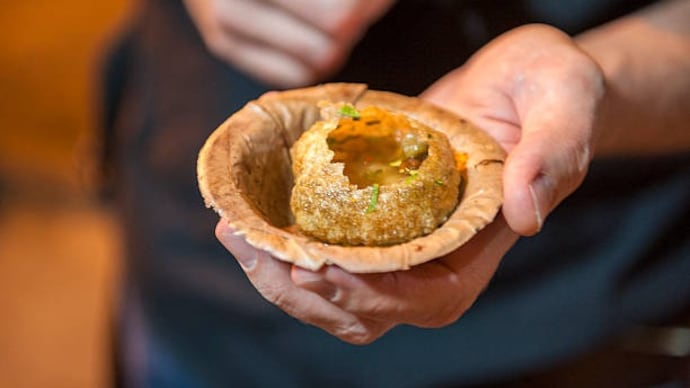
If you are a street-food lover, chances are you already know about this iconic snack. For the uninitiated, puchka is Bengal’s version of golgappa or pani puri, but with its own distinct personality. The crispy shell is typically made using atta and semolina, and instead of mint-heavy pudina water, it is served with tangy tamarind water and spicy mashed potato filling.
About 45–50 km from central Kolkata is Puchkagram, also known as Shahid Pally near Kanchrapara in North 24 Parganas. This small village is home to at least 100 families, almost all of whom are involved in the business of making and selling different kinds of puchka.
At a time when a plate of golgappa in cities can easily cost Rs 100 for five or six pieces (unless, of course, you are ordering it at a fancy five-star restaurant for Rs 600), this place is famous for selling around 10 to 12 puchkas for just Rs 10. Looks like inflation hasn’t quite entered Bengal’s puchka lanes yet.
The village wakes up early. Very early.
Many families begin work as early as 4 am, kneading dough for the shells, shaping them carefully, drying them out, and frying them batch after batch — all manually. On average, a family can make anywhere between 8,000 and 12,000 puchkas a day, much of which is supplied to nearby places like Kolkata, Barrackpore, Naihati and Kalyani.
Almost every member of the family contributes. While men often head out later in the day to sell traditional tok-jol puchka in neighbouring markets, many women run the experimental puchka stalls inside the village itself.
And yes, the variety here is enough to make your head spin.
What started with the classic aloo filling and tangy tamarind water has now turned into a full-fledged puchka universe. There’s chicken puchka, mutton puchka, prawn puchka, fish puchka, chutney puchka, chocolate puchka, doi puchka, corn puchka and even jelly or ice-cream-filled versions. Some stalls proudly claim to sell over 100 flavours.
The richer non-vegetarian fillings can cost anywhere between Rs 40 and Rs 80, while dessert-style versions are usually priced around Rs 50. Still, compared to most experimental street food trends in cities, the prices remain surprisingly pocket-friendly.
The village, once a relatively unknown settlement called Shahid Pally, slowly earned the nickname “Puchkagram” because almost every household became dependent on puchka-making for livelihood. Over the years, social media and food influencers turned it into a full-blown attraction. What was once a hidden local secret is now firmly on Bengal’s food map.
The popularity of the nearby Rani Rashmoni ghat and temple complex also helped bring more visitors to the area, many of whom now make a mandatory stop at Puchkagram.
And honestly, whether you are a hardcore traditional tok-jol loyalist or someone curious enough to try a chocolate puchka, there is something strangely joyful about a village where almost every lane smells of freshly fried puchka shells.
If you are a chocolate lover, there is no way you haven’t heard of Willy Wonka and the Chocolate Factory. Growing up, stepping into Willy Wonka’s magical world of endless chocolates felt like every child’s dream. While that may have remained fictional, Bengal has something that can feel equally magical for a puchka lover — an entire village dedicated to making and selling puchka.
If you are a street-food lover, chances are you already know about this iconic snack. For the uninitiated, puchka is Bengal’s version of golgappa or pani puri, but with its own distinct personality. The crispy shell is typically made using atta and semolina, and instead of mint-heavy pudina water, it is served with tangy tamarind water and spicy mashed potato filling.
About 45–50 km from central Kolkata is Puchkagram, also known as Shahid Pally near Kanchrapara in North 24 Parganas. This small village is home to at least 100 families, almost all of whom are involved in the business of making and selling different kinds of puchka.
At a time when a plate of golgappa in cities can easily cost Rs 100 for five or six pieces (unless, of course, you are ordering it at a fancy five-star restaurant for Rs 600), this place is famous for selling around 10 to 12 puchkas for just Rs 10. Looks like inflation hasn’t quite entered Bengal’s puchka lanes yet.
The village wakes up early. Very early.
Many families begin work as early as 4 am, kneading dough for the shells, shaping them carefully, drying them out, and frying them batch after batch — all manually. On average, a family can make anywhere between 8,000 and 12,000 puchkas a day, much of which is supplied to nearby places like Kolkata, Barrackpore, Naihati and Kalyani.
Almost every member of the family contributes. While men often head out later in the day to sell traditional tok-jol puchka in neighbouring markets, many women run the experimental puchka stalls inside the village itself.
And yes, the variety here is enough to make your head spin.
What started with the classic aloo filling and tangy tamarind water has now turned into a full-fledged puchka universe. There’s chicken puchka, mutton puchka, prawn puchka, fish puchka, chutney puchka, chocolate puchka, doi puchka, corn puchka and even jelly or ice-cream-filled versions. Some stalls proudly claim to sell over 100 flavours.
The richer non-vegetarian fillings can cost anywhere between Rs 40 and Rs 80, while dessert-style versions are usually priced around Rs 50. Still, compared to most experimental street food trends in cities, the prices remain surprisingly pocket-friendly.
The village, once a relatively unknown settlement called Shahid Pally, slowly earned the nickname “Puchkagram” because almost every household became dependent on puchka-making for livelihood. Over the years, social media and food influencers turned it into a full-blown attraction. What was once a hidden local secret is now firmly on Bengal’s food map.
The popularity of the nearby Rani Rashmoni ghat and temple complex also helped bring more visitors to the area, many of whom now make a mandatory stop at Puchkagram.
And honestly, whether you are a hardcore traditional tok-jol loyalist or someone curious enough to try a chocolate puchka, there is something strangely joyful about a village where almost every lane smells of freshly fried puchka shells.

