Is Bollywood taking 'ban' on Ranveer Singh seriously? Experts weigh in
Ranveer Singh's fallout with Farhan Akhtar over Don 3 has stirred debate in Bollywood. As experts weigh in on the directive issued by FWICE, questions are being raised about the body's authority and relevance.
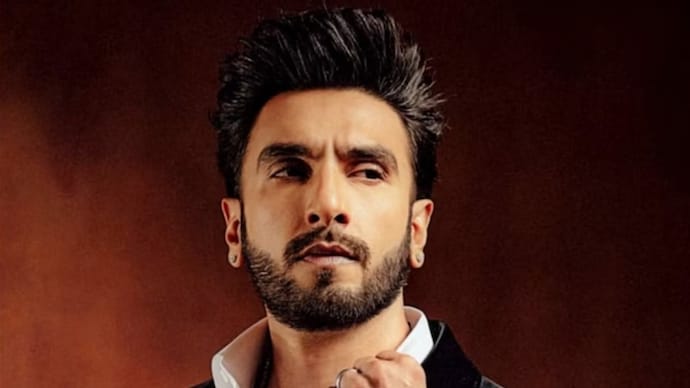
Bollywood has seen actors walk out of films; producers publicly vent frustrations, leading to friendships imploding overnight. But the latest controversy involving Ranveer Singh, Farhan Akhtar and a non-cooperation directive from Federation of Western India Cine Employees (FWICE) has triggered a larger debate: does a body like FWICE really have the authority to “ban” a superstar? And more importantly, is anyone in the industry even taking it seriously?
The controversy erupted after FWICE issued a non-cooperation directive against Ranveer Singh, amid his fallout with Farhan Akhtar over Don 3. Reports also claimed that Akhtar’s Excel Entertainment had demanded Rs 45 crore in damages towards pre-production expenses. According to the claims, the actor exited the film just two weeks before it was scheduled to go on floors, leading to major financial losses.
While neither Ranveer Singh nor Farhan Akhtar has publicly spoken in detail about the dispute, the federation’s move has left many trade insiders questioning both its intent and legitimacy. While the directive does not ban Ranveer from working, it bars members affiliated with the body from collaborating with the actor.
FWICE cannot stop anyone
In a conversation with India Today, trade analyst Komal Nahta described the move as "kiddish." He compared the situation to “two kids fighting”, with one trying to make a point by threatening consequences. According to Nahta, the federation may have felt insulted because Ranveer allegedly ignored multiple notices sent to him. "But maybe he didn’t turn up because he doesn’t consider them the proper forum," Nahta said.
He further explained that FWICE is neither a judicial body nor a statutory body, nor even government-appointed to stop anyone from working. At best, he said, the federation can only advise its members.
This is also why many within the industry believe FWICE may have unintentionally weakened its own position by going public with the directive. “They may have won the dispute, but lost the war. Now, if something genuinely serious happens in the future, people may not take them seriously,” Nahta added.
Non-cooperation directive uncalled-for
Film business analyst Girish Wankhede echoed a similar sentiment, stressing that this was essentially a conflict between two industry stakeholders that should have remained a private matter. “This was purely a conflict between Ranveer Singh and Farhan Akhtar. Such issues happen all the time in the film industry, and most get resolved amicably. This was uncalled for," he added.
And Bollywood history has proven that for years. From Salman Khan and Shah Rukh Khan’s infamous fallout to actors exiting films days before shoots, or even someone like Kishore Kumar getting banned by All India Radio, the industry has survived much messier situations. Most disagreements eventually get sorted behind closed doors because, at the end of the day, too much money, reputation and business are at stake.
This is why many insiders are questioning why a trade body stepped in with such dramatic language instead of acting as a mediator. “These bodies are meant to resolve issues, not make them more serious. Their first approach should have been to make both parties sit together and talk," Wankhede said.
But what actually went wrong?
While speculation around Don 3 has been running wild online, neither side has officially laid out their version in detail. However, Nahta claimed there is a loud buzz around how Ranveer had concerns regarding the script. And if Farhan chose not to comply, the blame cannot lie completely on Ranveer.
And from an actor’s perspective, that argument does make sense. After all, stars today aren’t merely performers. They are brands carrying massive box-office pressure on their shoulders. One wrong film can dent years of momentum.
"Every actor wants a blockbuster. If someone feels the script isn’t working, they have the right to ask for changes," Nahta said, adding how many in the industry are thus refusing to view this as a simple “unprofessional" or "non-cooperative" move.
The ego battle nobody wants to admit
Beyond the legalities and trade politics, there’s another layer to the story: ego.
FWICE reportedly sent multiple notices to Ranveer Singh, and his alleged lack of response appears to have aggravated matters further.
Wankhede admitted that this may have turned into an ego issue for both sides. He said, "Actors have egos, yes. But there are several ways to reach a star. Everybody in the industry knows stars don’t always respond to notices or calls directly. You can still reach them through the proper channels and resolve things."
Nahta, meanwhile, feels the public nature of the directive itself reveals the intent behind it. “They wanted to get him on his knees publicly. But he’s having the last laugh because, honestly, nobody in the industry is taking this directive seriously," he said.
So what happens next?
Industry insiders believe there are only two realistic outcomes. One: Ranveer completely ignores the directive and moves on, treating it as irrelevant. Two: a mediator steps in quietly, conversations happen behind closed doors and the issue gets resolved without further drama.
Nahta also shared with us that the actor is unlikely to approach the federation legally because doing so would unintentionally validate their authority. “If he goes to court or responds strongly, it gives them more importance. He may just sort this with Farhan on a personal note,” he said.
For now, Don 3 remains one of Bollywood’s most anticipated projects, Ranveer Singh remains one of the industry’s biggest stars, and FWICE’s move has sparked a larger conversation about power, authority and relevance in modern Bollywood.
Bollywood has seen actors walk out of films; producers publicly vent frustrations, leading to friendships imploding overnight. But the latest controversy involving Ranveer Singh, Farhan Akhtar and a non-cooperation directive from Federation of Western India Cine Employees (FWICE) has triggered a larger debate: does a body like FWICE really have the authority to “ban” a superstar? And more importantly, is anyone in the industry even taking it seriously?
The controversy erupted after FWICE issued a non-cooperation directive against Ranveer Singh, amid his fallout with Farhan Akhtar over Don 3. Reports also claimed that Akhtar’s Excel Entertainment had demanded Rs 45 crore in damages towards pre-production expenses. According to the claims, the actor exited the film just two weeks before it was scheduled to go on floors, leading to major financial losses.
While neither Ranveer Singh nor Farhan Akhtar has publicly spoken in detail about the dispute, the federation’s move has left many trade insiders questioning both its intent and legitimacy. While the directive does not ban Ranveer from working, it bars members affiliated with the body from collaborating with the actor.
FWICE cannot stop anyone
In a conversation with India Today, trade analyst Komal Nahta described the move as "kiddish." He compared the situation to “two kids fighting”, with one trying to make a point by threatening consequences. According to Nahta, the federation may have felt insulted because Ranveer allegedly ignored multiple notices sent to him. "But maybe he didn’t turn up because he doesn’t consider them the proper forum," Nahta said.
He further explained that FWICE is neither a judicial body nor a statutory body, nor even government-appointed to stop anyone from working. At best, he said, the federation can only advise its members.
This is also why many within the industry believe FWICE may have unintentionally weakened its own position by going public with the directive. “They may have won the dispute, but lost the war. Now, if something genuinely serious happens in the future, people may not take them seriously,” Nahta added.
Non-cooperation directive uncalled-for
Film business analyst Girish Wankhede echoed a similar sentiment, stressing that this was essentially a conflict between two industry stakeholders that should have remained a private matter. “This was purely a conflict between Ranveer Singh and Farhan Akhtar. Such issues happen all the time in the film industry, and most get resolved amicably. This was uncalled for," he added.
And Bollywood history has proven that for years. From Salman Khan and Shah Rukh Khan’s infamous fallout to actors exiting films days before shoots, or even someone like Kishore Kumar getting banned by All India Radio, the industry has survived much messier situations. Most disagreements eventually get sorted behind closed doors because, at the end of the day, too much money, reputation and business are at stake.
This is why many insiders are questioning why a trade body stepped in with such dramatic language instead of acting as a mediator. “These bodies are meant to resolve issues, not make them more serious. Their first approach should have been to make both parties sit together and talk," Wankhede said.
But what actually went wrong?
While speculation around Don 3 has been running wild online, neither side has officially laid out their version in detail. However, Nahta claimed there is a loud buzz around how Ranveer had concerns regarding the script. And if Farhan chose not to comply, the blame cannot lie completely on Ranveer.
And from an actor’s perspective, that argument does make sense. After all, stars today aren’t merely performers. They are brands carrying massive box-office pressure on their shoulders. One wrong film can dent years of momentum.
"Every actor wants a blockbuster. If someone feels the script isn’t working, they have the right to ask for changes," Nahta said, adding how many in the industry are thus refusing to view this as a simple “unprofessional" or "non-cooperative" move.
The ego battle nobody wants to admit
Beyond the legalities and trade politics, there’s another layer to the story: ego.
FWICE reportedly sent multiple notices to Ranveer Singh, and his alleged lack of response appears to have aggravated matters further.
Wankhede admitted that this may have turned into an ego issue for both sides. He said, "Actors have egos, yes. But there are several ways to reach a star. Everybody in the industry knows stars don’t always respond to notices or calls directly. You can still reach them through the proper channels and resolve things."
Nahta, meanwhile, feels the public nature of the directive itself reveals the intent behind it. “They wanted to get him on his knees publicly. But he’s having the last laugh because, honestly, nobody in the industry is taking this directive seriously," he said.
So what happens next?
Industry insiders believe there are only two realistic outcomes. One: Ranveer completely ignores the directive and moves on, treating it as irrelevant. Two: a mediator steps in quietly, conversations happen behind closed doors and the issue gets resolved without further drama.
Nahta also shared with us that the actor is unlikely to approach the federation legally because doing so would unintentionally validate their authority. “If he goes to court or responds strongly, it gives them more importance. He may just sort this with Farhan on a personal note,” he said.
For now, Don 3 remains one of Bollywood’s most anticipated projects, Ranveer Singh remains one of the industry’s biggest stars, and FWICE’s move has sparked a larger conversation about power, authority and relevance in modern Bollywood.

