Jaya Bachchan tears into transgender amendment Bill as Parliament gives it nod
Jaya Bachchan strongly opposed the Transgender Persons Amendment Bill in Rajya Sabha. She called it a setback for self-identification rights. Her remarks echo growing concerns from activists and legal experts.
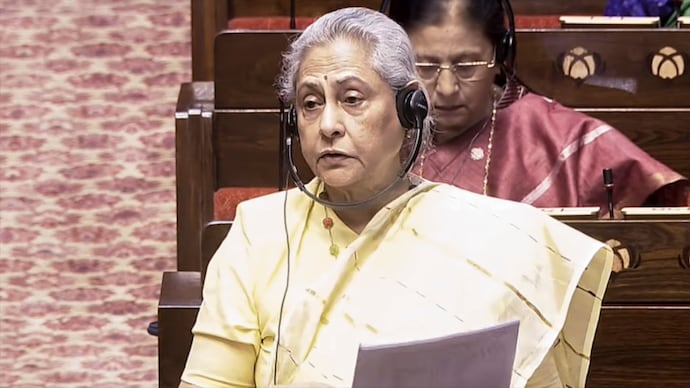
Actor and Samajwadi Party MP Jaya Bachchan strongly opposed the Transgender Persons (Protection of Rights) Amendment Bill during the Rajya Sabha debate on Wednesday. She criticised the Bill’s approach towards the transgender community, stating, "This Bill takes away the right to self-identification, which was a landmark ruling by the Supreme Court in 2014."
Bachchan highlighted the respected role of transgender persons in Indian society, noting their presence during auspicious occasions and their cultural importance. She urged for better inclusion of transgender voices in policymaking, suggesting that "a representative of the transgender community should be nominated in Parliament to directly address their issues."
The 77-year-old argued that the Bill's provisions were disconnected from the lived realities of transgender individuals. Bachchan expressed concern over the mandatory medical certification process that the Bill requires. She said, "The medical boards appointed by the state could subject transgender persons to invasive assessments, which undermines their dignity."
What does the amendment say?
The amendment narrows the definition of transgender persons, limiting legal recognition to specific socio-cultural groups such as hijras and kinners, as well as individuals with particular congenital biological variations. Bachchan pointed out that this excludes trans-men, trans-women, and non-binary individuals from legal protections, which she described as "a step backward in recognising diverse gender identities."
Following the Bill's passage, protests have emerged across the country. Activists and transgender rights groups argue that the law uses vague and unscientific criteria that risk criminalising varied gender identities and experiences. Bachchan’s remarks reflect these wider concerns about the Bill’s impact on equality rights.
On the same day, the Supreme Court-appointed advisory committee on transgender rights wrote to Union Social Justice Minister Virendra Kumar, urging the withdrawal of the Bill. This intervention underscores ongoing legal and social debates around transgender rights and equality in India.
Transgender rights in India
Transgender rights in India have evolved significantly since the 2014 NALSA judgment, which recognised the right to gender self-identification and affirmed equality under the law. The current amendment Bill, by removing this right and imposing restrictive definitions, has been criticised as contrary to these principles.
The debate on transgender rights continues to evolve, with calls for policies that respect self-identification and ensure equal protection. Bachchan's statements highlight the need for more inclusive and respectful legislation that truly addresses the concerns of the transgender community.
Actor and Samajwadi Party MP Jaya Bachchan strongly opposed the Transgender Persons (Protection of Rights) Amendment Bill during the Rajya Sabha debate on Wednesday. She criticised the Bill’s approach towards the transgender community, stating, "This Bill takes away the right to self-identification, which was a landmark ruling by the Supreme Court in 2014."
Bachchan highlighted the respected role of transgender persons in Indian society, noting their presence during auspicious occasions and their cultural importance. She urged for better inclusion of transgender voices in policymaking, suggesting that "a representative of the transgender community should be nominated in Parliament to directly address their issues."
The 77-year-old argued that the Bill's provisions were disconnected from the lived realities of transgender individuals. Bachchan expressed concern over the mandatory medical certification process that the Bill requires. She said, "The medical boards appointed by the state could subject transgender persons to invasive assessments, which undermines their dignity."
What does the amendment say?
The amendment narrows the definition of transgender persons, limiting legal recognition to specific socio-cultural groups such as hijras and kinners, as well as individuals with particular congenital biological variations. Bachchan pointed out that this excludes trans-men, trans-women, and non-binary individuals from legal protections, which she described as "a step backward in recognising diverse gender identities."
Following the Bill's passage, protests have emerged across the country. Activists and transgender rights groups argue that the law uses vague and unscientific criteria that risk criminalising varied gender identities and experiences. Bachchan’s remarks reflect these wider concerns about the Bill’s impact on equality rights.
On the same day, the Supreme Court-appointed advisory committee on transgender rights wrote to Union Social Justice Minister Virendra Kumar, urging the withdrawal of the Bill. This intervention underscores ongoing legal and social debates around transgender rights and equality in India.
Transgender rights in India
Transgender rights in India have evolved significantly since the 2014 NALSA judgment, which recognised the right to gender self-identification and affirmed equality under the law. The current amendment Bill, by removing this right and imposing restrictive definitions, has been criticised as contrary to these principles.
The debate on transgender rights continues to evolve, with calls for policies that respect self-identification and ensure equal protection. Bachchan's statements highlight the need for more inclusive and respectful legislation that truly addresses the concerns of the transgender community.

