Five witnesses called Sam Altman a liar: Musk and OpenAI clash in explosive final courtroom showdown
Closing arguments in the Elon Musk vs OpenAI trial begin with explosive accusations, billion-dollar claims, and a fierce battle over OpenAI's original mission and control of AGI.
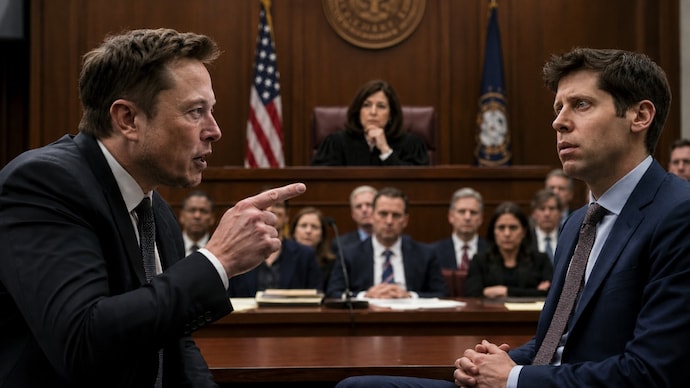
The courtroom battle between Elon Musk and OpenAI entered its final and most dramatic phase on Day 13. Closing arguments began in the closely watched trial that could reshape the future of one of the world’s most powerful AI companies. The jury is now preparing to decide whether OpenAI abandoned its original charitable mission and whether CEO Sam Altman, co-founder Greg Brockman, and the OpenAI Foundation should be held legally liable.
Elon Musk’s lead lawyer, Steven Molo, opened with a blistering attack on OpenAI’s leadership, telling jurors that “five witnesses called Sam Altman a liar under oath.”
Molo argued that the case ultimately revolves around three central claims: that Musk donated money to OpenAI for a specific charitable purpose that was later abandoned; that OpenAI executives unjustly benefited from those donations; and that Microsoft knowingly helped OpenAI violate its original mission.
According to Molo, OpenAI insiders transformed a nonprofit research lab into a financial empire that enriched a small group of executives. He described them as “guys with $30 billion” who “never donated a nickel” yet now claim entitlement to the organisation’s value.
The argument focused heavily on Altman’s public statements about ownership and control. Molo reminded jurors that Altman previously testified before the U.S. Senate that he held “no equity” in OpenAI. “That was a lie,” Molo said bluntly, arguing that the trial established Altman possesses a significant financial stake reportedly worth tens of billions of dollars.
Altman’s investments and Microsoft’s role come under scrutiny
Molo also accused Altman of using his position to benefit personally through outside investments. He pointed to Altman’s undisclosed stakes in Helion Energy and Reddit, which Musk’s legal team characterised as self-dealing.
Even without direct equity in OpenAI itself, Molo argued that Altman still exercised enormous influence through his power as CEO, including the ability to shape contracts, partnerships and business decisions.
Trying to simplify the case for jurors, Molo used a dramatic analogy. Imagine someone steals $1 million from a bank, he said. It would not be a valid defense to argue that there was still $100 million left in the vault. According to Musk’s team, OpenAI’s nonprofit mission was breached regardless of how much value may remain inside the organisation.
Molo further alleged that Microsoft was deeply involved in the transformation of OpenAI from the beginning. “Microsoft was aware of what OpenAI was doing every step of the way,” he told the jury, accusing the tech giant of helping Altman and Brockman violate OpenAI’s founding mission.
Billions of dollars could be at stake
The stakes could become even larger in the coming days. While the current proceedings focus only on liability, a separate evidentiary hearing scheduled for Monday will determine how much money OpenAI may have to return if the jury sides with Musk. The potential disgorgement could involve billions of dollars.
OpenAI defense says Musk wanted control for himself
But OpenAI’s defense team pushed back aggressively, portraying Musk not as a betrayed co-founder, but as a billionaire who originally wanted control of OpenAI for himself.
Defense lawyer Sarah Eddy attacked the foundation of Musk’s case, arguing there is no evidence that his donations came with permanent binding restrictions. She told jurors Musk is trying to convince them that donations made years ago carried “strings” strong enough to “tie OpenAI up in knots forever.”
Eddy also argued that no witness corroborated Musk’s version of events. According to the defense, Musk initially pushed to turn OpenAI into a for-profit company that he personally controlled. Other founders, she said, rejected the idea because they did not want one individual controlling artificial general intelligence, or AGI.
“They refused to turn the keys of AGI over to one man,” Eddy said, “let alone Elon Musk.”
‘Unilateral control’ allegation becomes key focus
The defense went even further, accusing Musk of demanding “unilateral control” during critical 2017 negotiations over OpenAI’s future structure. Eddy presented evidence suggesting Musk wanted dominant authority over the organisation and even envisioned a future where his children could inherit control over AGI technology.
The defense argued this directly contradicts Musk’s current public image as a defender of nonprofit governance and AI safety.
Eddy also highlighted a financial inconsistency in Musk’s claims. While Musk had publicly pledged to donate $1 billion to OpenAI, the defense noted he ultimately contributed only about $38 million.
Jury prepares to decide OpenAI’s future
As the trial now moves toward jury deliberations, the case has evolved far beyond a simple business dispute. At its centre lies a much bigger question: whether OpenAI’s transformation into an AI powerhouse represented a betrayal of its founding ideals — or whether Musk himself was the one who originally sought to reshape the organisation for personal control.
The courtroom battle between Elon Musk and OpenAI entered its final and most dramatic phase on Day 13. Closing arguments began in the closely watched trial that could reshape the future of one of the world’s most powerful AI companies. The jury is now preparing to decide whether OpenAI abandoned its original charitable mission and whether CEO Sam Altman, co-founder Greg Brockman, and the OpenAI Foundation should be held legally liable.
Elon Musk’s lead lawyer, Steven Molo, opened with a blistering attack on OpenAI’s leadership, telling jurors that “five witnesses called Sam Altman a liar under oath.”
Molo argued that the case ultimately revolves around three central claims: that Musk donated money to OpenAI for a specific charitable purpose that was later abandoned; that OpenAI executives unjustly benefited from those donations; and that Microsoft knowingly helped OpenAI violate its original mission.
According to Molo, OpenAI insiders transformed a nonprofit research lab into a financial empire that enriched a small group of executives. He described them as “guys with $30 billion” who “never donated a nickel” yet now claim entitlement to the organisation’s value.
The argument focused heavily on Altman’s public statements about ownership and control. Molo reminded jurors that Altman previously testified before the U.S. Senate that he held “no equity” in OpenAI. “That was a lie,” Molo said bluntly, arguing that the trial established Altman possesses a significant financial stake reportedly worth tens of billions of dollars.
Altman’s investments and Microsoft’s role come under scrutiny
Molo also accused Altman of using his position to benefit personally through outside investments. He pointed to Altman’s undisclosed stakes in Helion Energy and Reddit, which Musk’s legal team characterised as self-dealing.
Even without direct equity in OpenAI itself, Molo argued that Altman still exercised enormous influence through his power as CEO, including the ability to shape contracts, partnerships and business decisions.
Trying to simplify the case for jurors, Molo used a dramatic analogy. Imagine someone steals $1 million from a bank, he said. It would not be a valid defense to argue that there was still $100 million left in the vault. According to Musk’s team, OpenAI’s nonprofit mission was breached regardless of how much value may remain inside the organisation.
Molo further alleged that Microsoft was deeply involved in the transformation of OpenAI from the beginning. “Microsoft was aware of what OpenAI was doing every step of the way,” he told the jury, accusing the tech giant of helping Altman and Brockman violate OpenAI’s founding mission.
Billions of dollars could be at stake
The stakes could become even larger in the coming days. While the current proceedings focus only on liability, a separate evidentiary hearing scheduled for Monday will determine how much money OpenAI may have to return if the jury sides with Musk. The potential disgorgement could involve billions of dollars.
OpenAI defense says Musk wanted control for himself
But OpenAI’s defense team pushed back aggressively, portraying Musk not as a betrayed co-founder, but as a billionaire who originally wanted control of OpenAI for himself.
Defense lawyer Sarah Eddy attacked the foundation of Musk’s case, arguing there is no evidence that his donations came with permanent binding restrictions. She told jurors Musk is trying to convince them that donations made years ago carried “strings” strong enough to “tie OpenAI up in knots forever.”
Eddy also argued that no witness corroborated Musk’s version of events. According to the defense, Musk initially pushed to turn OpenAI into a for-profit company that he personally controlled. Other founders, she said, rejected the idea because they did not want one individual controlling artificial general intelligence, or AGI.
“They refused to turn the keys of AGI over to one man,” Eddy said, “let alone Elon Musk.”
‘Unilateral control’ allegation becomes key focus
The defense went even further, accusing Musk of demanding “unilateral control” during critical 2017 negotiations over OpenAI’s future structure. Eddy presented evidence suggesting Musk wanted dominant authority over the organisation and even envisioned a future where his children could inherit control over AGI technology.
The defense argued this directly contradicts Musk’s current public image as a defender of nonprofit governance and AI safety.
Eddy also highlighted a financial inconsistency in Musk’s claims. While Musk had publicly pledged to donate $1 billion to OpenAI, the defense noted he ultimately contributed only about $38 million.
Jury prepares to decide OpenAI’s future
As the trial now moves toward jury deliberations, the case has evolved far beyond a simple business dispute. At its centre lies a much bigger question: whether OpenAI’s transformation into an AI powerhouse represented a betrayal of its founding ideals — or whether Musk himself was the one who originally sought to reshape the organisation for personal control.

