
Apple and OpenAI deal for ChatGPT in trouble, report says lawyers may get involved
OpenAI is having trouble with Apple over the ChatGPT deal for iPhones. As per reports, the AI startup may be planning to take possible legal action, though a lawsuit is likely not on the cards. Here is everything you need to know.
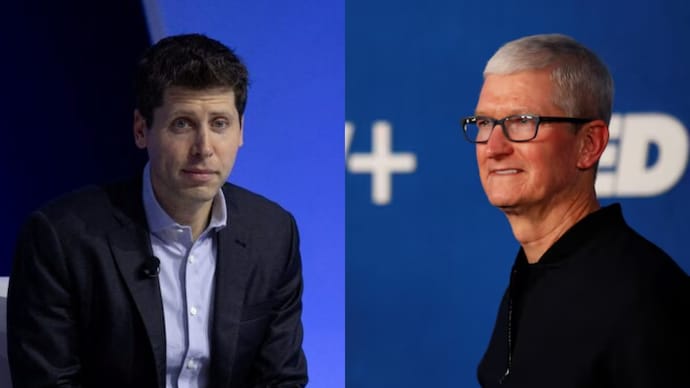

In June 2024, Apple tied up with OpenAI to bring ChatGPT directly to Siri. This allowed iPhone users to get answers for complex queries from ChatGPT through Siri, without needing to open a separate app. However, almost two years down the line, reports indicate that OpenAI is not happy with the arrangement, and the deal may be over altogether as Apple is expected to launch a revamped Siri using Google’s Gemini AI models.
As per Bloomberg, OpenAI’s lawyers are likely working with an outside legal firm to figure out potential options. While it is believed that a lawsuit is likely not on the cards, the company may send Apple a legal notice over potential breach of contract. A separate report from Reuters confirmed this possibility.
Reports indicate that OpenAI has failed to see the expected benefits it hoped to get from the deal. The AI startup had anticipated that the deal would help it gain a large number of users via the iPhone ecosystem. Though it appears that this has not been the case.
Keep in mind that both companies have not given any official word on such tensions.
What was Apple’s ChatGPT deal?
Announced during Apple’s Worldwide Developers Conference (WWDC) 2024, the deal allowed iPhone users to access ChatGPT results within Siri. Users could later also use OpenAI’s models for creating images in Apple’s Image Playground or for analysing on-screen text.
Apple also gave the option for iPhone users to sign up for ChatGPT memberships directly from the iOS settings menu, with the Cupertino giant taking a share of the subscription revenue generated through its platforms.
However, Apple has now signed a deal with Google to use Gemini AI models to power Siri. The new revamped Siri is expected to be launched later this year.
Apple is also expected to open its platforms later this year to more AI providers. This will likely allow users to install AI chatbots from the App Store and use them within Siri or for image and text generation. Though as per reports, the OpenAI deal was non-exclusive, and Apple opening its platforms is likely not an issue for the AI startup.
Why is OpenAI not happy?
OpenAI reportedly believed the deal would draw more users to paid ChatGPT subscriptions. However, reports say that OpenAI has found Apple’s implementation of ChatGPT across its operating systems limited.
User studies conducted by OpenAI are believed to have found that Apple customers were far more likely to use the standalone ChatGPT app than the integration through Siri and other Apple services.
An OpenAI executive told Bloomberg, “We have done everything from a product perspective. They have not, and worse, they haven’t even made an honest effort.”
As per reports, users often need to specifically mention ChatGPT in Siri to receive results from OpenAI’s models. The responses are also said to be somewhat more constrained than the standalone ChatGPT app, appearing in a small window with limited information.
Keep in mind that OpenAI has not made a final decision on what it plans to do. The AI startup likely hopes to resolve the issue outside court. If the company does proceed with a legal move, it will likely only happen after the conclusion of the company’s trial with Elon Musk. You can read about the trial here.
Apple's concerns over OpenAI
It is believed that Apple had its own share of concerns about OpenAI. According to reports, the company questioned whether OpenAI does enough to protect user privacy. Apple is also likely not happy with OpenAI’s move into hardware, led by former Apple design chief Jony Ive.
Previous reports have indicated that Apple may have lost around 40 of its key staff members to OpenAI’s hardware division. OpenAI CEO Sam Altman has hinted that the company’s new devices will be simpler than an iPhone. Though recent rumours indicate that the AI startup may also be working on a smartphone.