Tim Cook went against Apple founder to launch big iPhones, here is what happened next
Tim Cook didn't just grow Apple into a $4 trillion giant; he quietly rewrote one of Steve Jobs' strongest beliefs about smartphones. By betting on bigger iPhones, Cook turned a once-dismissed idea into one of Apple's biggest wins.
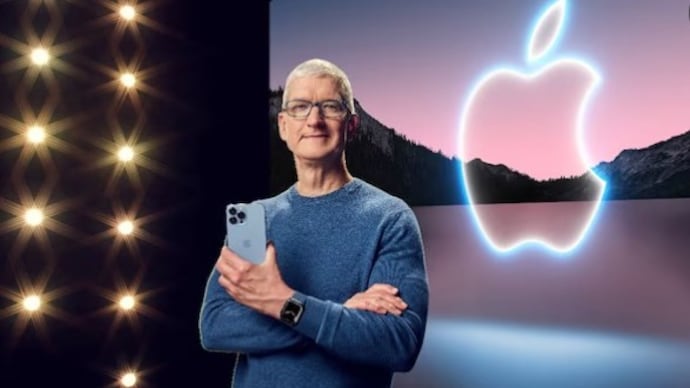
The exit of Tim Cook as Apple's chief executive feels like the closing of a long, defining chapter, one where quiet decisions ended up changing the course of the company. As Apple prepares for John Ternus to take charge from September 2026, conversations around Cook's legacy are picking up pace. While his tenure is often tied to Apple's massive financial rise — from a $350 billion company to a $4 trillion giant — one decision continues to draw attention for a very different reason. It was the moment Cook chose to go against Apple founder Steve Jobs and rethink what an iPhone should be.
Cook stepped in as Apple's seventh CEO on August 24, 2011. Back then, the iPhone was still finding its footing, only four years old, and the iPad had just entered the scene. Jobs had built the iPhone with a strong belief that phones should stay compact, easy to hold, and not stretch beyond what the human hand could comfortably manage.
He had once dismissed larger phones outright, saying, "You can't get your hand around it. No one's going to buy that."
When Apple chose to go bigger and the world followed
Cook saw something different.
As smartphones began to change how people watched videos, played games, and spent hours on their screens, competitors like Samsung were already racing ahead with bigger displays. Inside Apple too, there was growing discomfort. Users were starting to complain. The smaller screen, once seen as a strength, was now becoming a reason for hesitation.
Cook didn’t rush. But he didn’t ignore it either. In 2012, Apple introduced the iPhone 5 with a slightly larger 4-inch display. It was a cautious step, almost like testing the waters. Then came the turning point in 2014 with the launch of the iPhone 6 and iPhone 6 Plus. The 5.5-inch screen on the Plus model felt like a complete change in direction, something Jobs would have likely pushed back against.
But the response left little room for doubt. People didn’t just accept bigger iPhones, they wanted them.
Over time, Apple kept pushing further. Screen sizes grew across the lineup, eventually reaching around 6.3 inches on newer base models like the iPhone 17. At the top end, the company introduced its largest device yet, the iPhone 17 Pro Max, stretching up to 6.9 inches.
This wasn’t just about size. It was about how people had started living through their phones. Watching shows on Netflix, spending hours scrolling through YouTube, gaming, reading, the phone had quietly turned into a personal screen for everything. Cook leaned into that change, but in his own way.
“We could have done a larger iPhone years ago,” he had said in an earlier interview. “It's never been about just making a larger phone. It's been about making a better phone in every single way.”
That line says a lot about how he approached change. He wasn’t chasing trends for the sake of it. He waited, watched, and then moved when it felt right.
And when he did, the impact was hard to ignore.
Apple’s iPhone business continued to grow, with the company reporting $85 billion in iPhone revenue in a recent holiday quarter. Cook described demand as “staggering” and “unprecedented.” Data from early sales also suggested that the larger Pro Max models were drawing more buyers than the smaller versions.
Looking back, the decision to embrace bigger iPhones feels like one of those quiet turning points — not loud at the time, but impossible to miss later. It wasn’t just about going against Jobs. It was about understanding that even the strongest ideas sometimes need to evolve.
As Cook steps away, he leaves behind more than just numbers. He leaves behind a version of Apple that isn’t afraid to rethink its own beliefs, even the ones that once came from its founder.
The exit of Tim Cook as Apple's chief executive feels like the closing of a long, defining chapter, one where quiet decisions ended up changing the course of the company. As Apple prepares for John Ternus to take charge from September 2026, conversations around Cook's legacy are picking up pace. While his tenure is often tied to Apple's massive financial rise — from a $350 billion company to a $4 trillion giant — one decision continues to draw attention for a very different reason. It was the moment Cook chose to go against Apple founder Steve Jobs and rethink what an iPhone should be.
Cook stepped in as Apple's seventh CEO on August 24, 2011. Back then, the iPhone was still finding its footing, only four years old, and the iPad had just entered the scene. Jobs had built the iPhone with a strong belief that phones should stay compact, easy to hold, and not stretch beyond what the human hand could comfortably manage.
He had once dismissed larger phones outright, saying, "You can't get your hand around it. No one's going to buy that."
When Apple chose to go bigger and the world followed
Cook saw something different.
As smartphones began to change how people watched videos, played games, and spent hours on their screens, competitors like Samsung were already racing ahead with bigger displays. Inside Apple too, there was growing discomfort. Users were starting to complain. The smaller screen, once seen as a strength, was now becoming a reason for hesitation.
Cook didn’t rush. But he didn’t ignore it either. In 2012, Apple introduced the iPhone 5 with a slightly larger 4-inch display. It was a cautious step, almost like testing the waters. Then came the turning point in 2014 with the launch of the iPhone 6 and iPhone 6 Plus. The 5.5-inch screen on the Plus model felt like a complete change in direction, something Jobs would have likely pushed back against.
But the response left little room for doubt. People didn’t just accept bigger iPhones, they wanted them.
Over time, Apple kept pushing further. Screen sizes grew across the lineup, eventually reaching around 6.3 inches on newer base models like the iPhone 17. At the top end, the company introduced its largest device yet, the iPhone 17 Pro Max, stretching up to 6.9 inches.
This wasn’t just about size. It was about how people had started living through their phones. Watching shows on Netflix, spending hours scrolling through YouTube, gaming, reading, the phone had quietly turned into a personal screen for everything. Cook leaned into that change, but in his own way.
“We could have done a larger iPhone years ago,” he had said in an earlier interview. “It's never been about just making a larger phone. It's been about making a better phone in every single way.”
That line says a lot about how he approached change. He wasn’t chasing trends for the sake of it. He waited, watched, and then moved when it felt right.
And when he did, the impact was hard to ignore.
Apple’s iPhone business continued to grow, with the company reporting $85 billion in iPhone revenue in a recent holiday quarter. Cook described demand as “staggering” and “unprecedented.” Data from early sales also suggested that the larger Pro Max models were drawing more buyers than the smaller versions.
Looking back, the decision to embrace bigger iPhones feels like one of those quiet turning points — not loud at the time, but impossible to miss later. It wasn’t just about going against Jobs. It was about understanding that even the strongest ideas sometimes need to evolve.
As Cook steps away, he leaves behind more than just numbers. He leaves behind a version of Apple that isn’t afraid to rethink its own beliefs, even the ones that once came from its founder.

