US, Iran agree peace deal framework, awaiting Trump's approval
The United States and Iran have reached a preliminary understanding to extend the ceasefire and reopen nuclear talks. The proposal could become the biggest diplomatic breakthrough of the conflict, but it still awaits Donald Trump's approval.
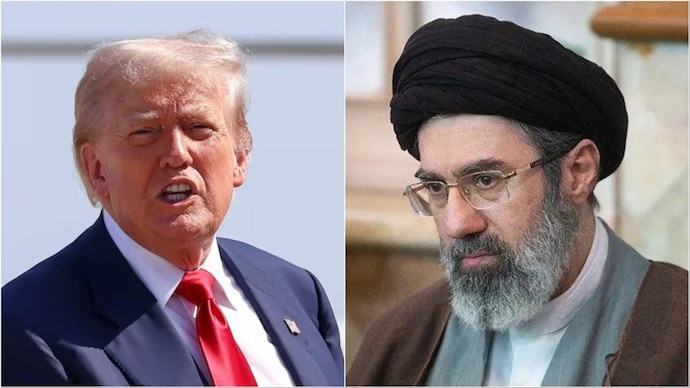
The United States and Iran have reportedly reached a preliminary agreement aimed at extending the fragile ceasefire and reopening talks over Tehran's nuclear programme, but the proposal is still waiting for final approval from US President Donald Trump.
According to sources cited by Axios, negotiators from both sides agreed on the framework of a 60-day memorandum of understanding earlier this week. The proposed deal could mark the biggest diplomatic breakthrough since the conflict began nearly three months ago.
The proposed agreement would also include an Iranian commitment not to pursue nuclear weapons. During the 60-day negotiation period, both sides would discuss the future of Iran's highly enriched uranium stockpile and the issue of uranium enrichment. It comes as fresh military exchanges between Washington and Tehran continue to shake the region and raise fears that the ceasefire could collapse at any moment.
TRUMP YET TO SIGN OFF
US officials said most terms of the agreement had been settled by Tuesday. Iranian negotiators later informed mediators that they had secured approval from senior leaders in Tehran and were prepared to move forward.
However, Trump has not yet formally approved the proposal.
"The president relayed to the mediators that he wants a couple of days to think about it," a US official told Axios.
The White House has not confirmed details of the draft understanding. Trump has repeatedly claimed peace is close, but he also signalled frustration with the pace of negotiations during a cabinet meeting on Wednesday. Trump said he remained dissatisfied with the talks and insisted Washington was not currently discussing sanctions relief, which remains one of Iran's main demands.
Officials familiar with the discussions said the proposed 60-day memorandum would focus first on restoring calm in the Strait of Hormuz, one of the world's most important oil shipping routes.
STRAIT OF HORMUZ AT CENTRE OF TALKS
Under the reported proposal, shipping through the Strait of Hormuz would become "unrestricted". US officials said Iran would be required to remove naval mines from the area within 30 days and halt any interference with commercial vessels.
In return, the US would gradually ease its naval blockade as shipping traffic returned to normal levels.
US negotiators are also expected to discuss sanctions relief and the possible release of frozen Iranian funds. Humanitarian aid deliveries to Iran would also form part of the talks.
However, the memorandum would only serve as a temporary framework and not a final peace settlement.
NEW STRIKES THREATEN FRAGILE CEASEFIRE
The diplomatic push comes as the two sides continue to clash despite the ceasefire announced earlier this year.
On Thursday, Iran targeted a US military base in Kuwait after American forces struck what Washington described as an Iranian drone operation near Bandar Abbas in southern Iran.
US Central Command said American forces shot down five Iranian drones and hit a control station that was preparing to launch another attack drone. Kuwait later confirmed it intercepted a ballistic missile aimed at the country, which hosts a major US military presence.
"These actions were measured, purely defensive and intended to maintain the ceasefire," a US official told Reuters.
Iran's Revolutionary Guard responded by saying it had targeted the US base linked to earlier strikes near Bandar Abbas airport. Iranian media warned that any repeat attack would trigger a "more decisive response".
The latest flare-up renewed fears that negotiations could quickly fall apart.
TRUMP REJECTS OMAN-IRAN HORMUZ PLAN
Tensions rose further after Trump dismissed reports aired by Iranian state television claiming Tehran and Oman were discussing a plan for joint management of shipping through the Strait of Hormuz.
Trump rejected the idea and insisted no country would control the waterway.
"It's international waters, and Oman will behave just like everybody else or we'll have to blow them up," he said.
The comments drew anger in Tehran, which later expressed solidarity with Oman and accused US officials of making dangerous threats against regional countries.
Meanwhile, fighting linked to the wider conflict continued elsewhere in the Middle East. Israel launched fresh strikes in southern Lebanon and Beirut targeting Hezbollah positions, while air raid sirens sounded in northern Israel.
The United States and Iran have reportedly reached a preliminary agreement aimed at extending the fragile ceasefire and reopening talks over Tehran's nuclear programme, but the proposal is still waiting for final approval from US President Donald Trump.
According to sources cited by Axios, negotiators from both sides agreed on the framework of a 60-day memorandum of understanding earlier this week. The proposed deal could mark the biggest diplomatic breakthrough since the conflict began nearly three months ago.
The proposed agreement would also include an Iranian commitment not to pursue nuclear weapons. During the 60-day negotiation period, both sides would discuss the future of Iran's highly enriched uranium stockpile and the issue of uranium enrichment. It comes as fresh military exchanges between Washington and Tehran continue to shake the region and raise fears that the ceasefire could collapse at any moment.
TRUMP YET TO SIGN OFF
US officials said most terms of the agreement had been settled by Tuesday. Iranian negotiators later informed mediators that they had secured approval from senior leaders in Tehran and were prepared to move forward.
However, Trump has not yet formally approved the proposal.
"The president relayed to the mediators that he wants a couple of days to think about it," a US official told Axios.
The White House has not confirmed details of the draft understanding. Trump has repeatedly claimed peace is close, but he also signalled frustration with the pace of negotiations during a cabinet meeting on Wednesday. Trump said he remained dissatisfied with the talks and insisted Washington was not currently discussing sanctions relief, which remains one of Iran's main demands.
Officials familiar with the discussions said the proposed 60-day memorandum would focus first on restoring calm in the Strait of Hormuz, one of the world's most important oil shipping routes.
STRAIT OF HORMUZ AT CENTRE OF TALKS
Under the reported proposal, shipping through the Strait of Hormuz would become "unrestricted". US officials said Iran would be required to remove naval mines from the area within 30 days and halt any interference with commercial vessels.
In return, the US would gradually ease its naval blockade as shipping traffic returned to normal levels.
US negotiators are also expected to discuss sanctions relief and the possible release of frozen Iranian funds. Humanitarian aid deliveries to Iran would also form part of the talks.
However, the memorandum would only serve as a temporary framework and not a final peace settlement.
NEW STRIKES THREATEN FRAGILE CEASEFIRE
The diplomatic push comes as the two sides continue to clash despite the ceasefire announced earlier this year.
On Thursday, Iran targeted a US military base in Kuwait after American forces struck what Washington described as an Iranian drone operation near Bandar Abbas in southern Iran.
US Central Command said American forces shot down five Iranian drones and hit a control station that was preparing to launch another attack drone. Kuwait later confirmed it intercepted a ballistic missile aimed at the country, which hosts a major US military presence.
"These actions were measured, purely defensive and intended to maintain the ceasefire," a US official told Reuters.
Iran's Revolutionary Guard responded by saying it had targeted the US base linked to earlier strikes near Bandar Abbas airport. Iranian media warned that any repeat attack would trigger a "more decisive response".
The latest flare-up renewed fears that negotiations could quickly fall apart.
TRUMP REJECTS OMAN-IRAN HORMUZ PLAN
Tensions rose further after Trump dismissed reports aired by Iranian state television claiming Tehran and Oman were discussing a plan for joint management of shipping through the Strait of Hormuz.
Trump rejected the idea and insisted no country would control the waterway.
"It's international waters, and Oman will behave just like everybody else or we'll have to blow them up," he said.
The comments drew anger in Tehran, which later expressed solidarity with Oman and accused US officials of making dangerous threats against regional countries.
Meanwhile, fighting linked to the wider conflict continued elsewhere in the Middle East. Israel launched fresh strikes in southern Lebanon and Beirut targeting Hezbollah positions, while air raid sirens sounded in northern Israel.

