
US Army may pull back from region, no Hormuz blockade: Iran on new draft deal
Iranian media revealed fresh details of a proposed US-Iran peace framework that could reopen commercial shipping through the Strait of Hormuz and reduce the American military presence near the Gulf region.
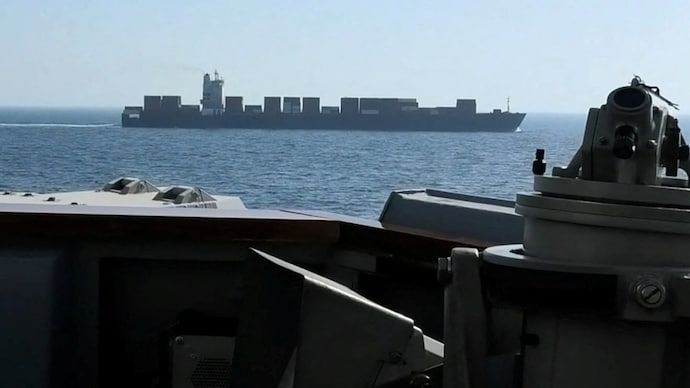

Amid efforts to establish peace in the Middle East region, details of a new proposed US-Iran draft framework have emerged, with Iranian media reporting possible plans for an American military pullback from the region and the reopening of shipping through the Strait of Hormuz. The draft proposal, which has not yet been finalised, is being presented as part of a peace effort to reduce tensions after months of conflict.
The development comes amid the flare-up in the region after the US attacked Iran on Monday, targeting Iranian missile sites and boats allegedly attempting to lay mines. Tehran condemned the strikes as a violation of the ceasefire.
According to Iranian state television, the proposed memorandum of understanding would allow commercial shipping through the Strait of Hormuz to return to pre-war levels within 30 days. In exchange, the United States would reduce its military presence around Iran and end what Tehran describes as a naval blockade.
The Strait of Hormuz has been the focus of the proposed agreement. Nearly one-fifth of the world's oil supply normally passes through the narrow waterway, making it one of the most important trade routes in the world.
Iran's Islamic Revolutionary Guard Corps has been presenting itself as the authority overseeing movement through the route. Iranian state broadcaster IRIB reported that 23 vessels crossed the strait with IRGC coordination over the past 24 hours. A day earlier, it claimed 25 ships had passed through the waterway.
IRAN SIGNALS FLEXIBILITY WITH CONDITIONS
Despite signs of progress, Tehran appears unwilling to fully return to the previous status quo in Hormuz. Iranian officials continue to insist that vessels linked to "hostile countries" remain banned from passing through the strategic route.
State media reports the framework, which excludes military vessels and envisages Iran managing ship traffic through the strait in cooperation with Oman, was not yet finalised. It also asserted that Iran would not implement any agreement without "tangible verification". Tehran also appears determined to maintain bigger operational control over shipping traffic than before the conflict began.
Iran's Mizan news agency reported that negotiations are still under way over the scope of any US military withdrawal. It remains unclear whether Washington would remove only forces deployed during the conflict or also scale back troops stationed at long-term regional bases.
The draft framework reportedly proposes that if a final agreement is reached within 60 days, it could later be adopted as a binding United Nations Security Council resolution.
However, several US media outlets claimed that major questions remain unresolved, including where and when any formal agreement could be signed.
Pressure continues to grow on Washington to stop another Gulf escalation amid the ongoing fallout from the Iran war. US President Donald Trump is expected to convene a Cabinet meeting as diplomatic efforts continue behind closed doors.