
The hidden salary leak Gen Z didn't notice until bank balances started shrinking
Young salaried Indians are discovering that small app subscriptions are quietly eating into their monthly income. The online debate has sharpened focus on how auto-debits and convenience spending can distort budgeting.
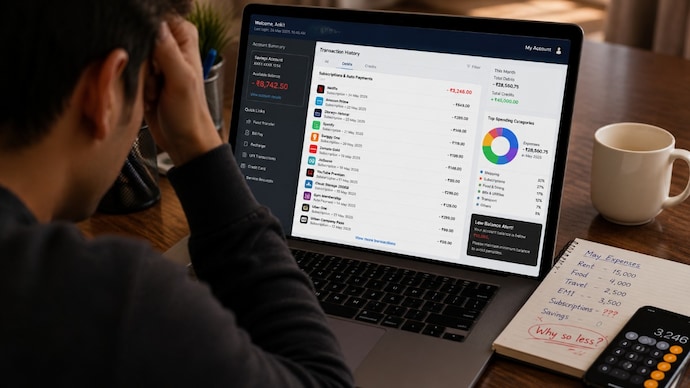

Penny and penny laid up will be many. Or in Gen Z’s case, dozens of Rs 99 and Rs 149 subscriptions quietly turning into a surprisingly large monthly bill.
A growing number of young Indians are now realising that the biggest dent in their salaries may not be coming from luxury shopping or expensive gadgets, but from small recurring app payments that often go unnoticed for months.
A recent online discussion around “invisible spending” has struck a chord with many young professionals who say monthly subscriptions for food delivery apps, OTT platforms, music streaming services and shopping memberships are silently draining their disposable income.
The conversation picked up after a Reddit user described how he was shocked to discover where his salary was disappearing every month.
“There were no expensive gadgets. No luxury shopping sprees. No major purchases,” the user wrote.
But after checking his bank statement closely, he realised the problem was not one big expense. It was dozens of small auto-debits.
Subscriptions like Swiggy One, Zomato Gold, Netflix, Amazon Prime, Spotify and Jio Hotstar looked harmless individually. Most cost less than Rs 200 a month. But together, they had quietly become a large recurring expense.
The post has now triggered a wider debate online around what many are calling the “app trap economy”, where convenience-based subscriptions slowly pile up in the background.
THE ‘ONLY RS 99’ TRAP
For many young consumers, the psychology behind these purchases is simple.
A single subscription rarely feels expensive.
Most platforms market services through: student offers, trial plans, introductory discounts and low monthly pricing.
That makes spending feel small and manageable.
But the problem starts when multiple subscriptions stack together across entertainment, food delivery, shopping, cloud storage, fitness and productivity apps.
Many users say they often forget about subscriptions entirely because payments happen automatically through UPI, debit cards or credit cards.
And cancelling them usually becomes “something to do later.”
A young Delhi-based professional told NDTV that she eventually realised she was paying for nearly every major OTT platform despite barely using most of them.
“I always felt what if a new movie or series releases on a platform I don’t subscribe to?” she said.
Over time, however, she noticed she was too tired after work to actually watch most of the content she was paying for.
“Meanwhile, the subscription money kept getting auto-debited every month,” she said.
She has now shifted to a “rotation system”, where she subscribes to only one OTT platform at a time instead of paying for multiple services together.
THE BIGGER SHIFT IN GEN Z SPENDING
The debate also reflects a larger change in how younger consumers spend money today.
Unlike previous generations that spent more heavily on physical goods, Gen Z spending is increasingly moving towards: subscriptions, convenience services and digital experiences.
Food delivery memberships, OTT apps, gaming subscriptions, AI tools, shopping memberships and music streaming plans are now becoming regular monthly expenses for many salaried professionals.
The problem is that unlike rent or EMIs, these expenses often stay hidden in the background because they are split across multiple platforms.
That is why many users only realise the total cost after checking bank statements carefully.
WHY MORE YOUNG EARNERS ARE NOW CUTTING SUBSCRIPTIONS
As inflation and living costs continue rising in cities, many young professionals are becoming more conscious about where their salaries are going.
Several users online now say they have started: reviewing subscriptions monthly, cancelling unused apps and limiting the number of active memberships.
For some, the solution is becoming more intentional about digital spending instead of allowing dozens of auto-renewals to continue silently.
Because while one Rs 99 payment may not feel important, many young earners are now discovering that small recurring expenses can quietly become one of the biggest leaks in their monthly finances.
(Disclaimer: The views, opinions, recommendations, and suggestions expressed by experts/brokerages in this article are their own and do not reflect the views of the India Today Group. It is advisable to consult a qualified broker or financial advisor before making any actual investment or trading choices.)