
UAE exits oil production groups OPEC, OPEC+ amid global energy crisis
The decision, confirmed on Tuesday, delivers a big setback to the oil-producing alliance and its de facto leader, Saudi Arabia. The UAE, long seen as a major and reliable member, stepping away now risks weakening coordination within the bloc.
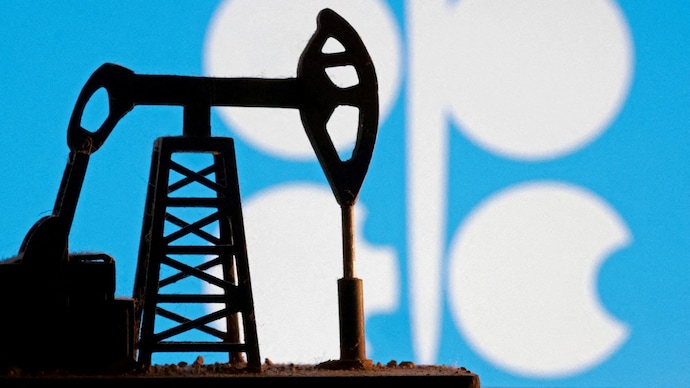

The United Arab Emirates has announced its exit from OPEC and OPEC+, marking a major shift in global energy politics at a time when conflict involving Iran has triggered a sharp and prolonged disruption in global oil supply. The UAE will leave the group effective May 1.
The decision, confirmed on Tuesday, delivers a big setback to the oil-producing alliance and its de facto leader, Saudi Arabia. The UAE, long seen as a major and reliable member, stepping away now risks weakening coordination within the bloc just when markets remain volatile and supply routes are under strain.
In a statement on X, UAE Energy Minister Suhail Al Mazrouei said, "The UAE's decision to exit OPEC aligns with sector policy-driven developments and is consistent with long-term market fundamentals."

"We express our appreciation to OPEC and member states for decades of constructive cooperation. We reaffirm our commitment to energy security by providing reliable, responsible, and low-emission supplies, supporting global market stability," he added.
The UAE’s energy minister told news agency Reuters the move gives the country greater flexibility, as it will no longer be bound by the group’s obligations. He also said the decision was taken independently, without direct consultations with other members, including Saudi Arabia.
The UAE’s departure comes against the backdrop of an ongoing conflict in the Middle East that has disrupted oil flows and shaken investor confidence. One of the biggest concerns has been the security of the Strait of Hormuz, a narrow but crucial passage through which roughly a fifth of the world’s oil and liquefied natural gas typically moves.
BIG WIN FOR DONALD TRUMP?
This has also been framed as a political victory by Donald Trump, who has repeatedly criticised OPEC for its role in influencing oil prices. Trump has accused the group of "ripping off the rest of the world" by keeping prices elevated. He has also had linked US commitments in the Gulf to oil pricing, arguing that while Washington provides military protection to member states, they "exploit this by imposing high oil prices".
UAE DISAPPOINTED WITH RESPONSE FROM GULF ALLIES
The move followed rising frustration in the UAE, a major regional hub and close US ally, which felt fellow Arab nations had not done enough to stand by it or protect it from repeated Iranian attacks during the war.
Speaking at the Gulf Influencers Forum, Anwar Gargash, diplomatic adviser to the UAE President, voiced frustration over the lack of stronger political and military backing. "The Gulf Cooperation Council countries supported each other logistically, but politically and militarily, I think their position has been the weakest historically," Gargash said.
"I expect this weak stance from the Arab League and I am not surprised by it, but I haven't expected it from the (Gulf) Cooperation Council and I am surprised by it," he said.
The UAE’s exit could complicate efforts to stabilise oil prices, as OPEC and its allies lose one of their major producers. It may also encourage other members to reassess their positions if internal disagreements continue to grow.
WHAT IS OPEC?
OPEC is a group of major oil-producing nations that work together to manage how much oil is supplied to the global market. Formed in 1960, the organisation was set up to give producing countries more control over oil prices and policies.
Following the UAE’s decision to step away from the bloc from May 1, the group is left with 11 active members. These are: Algeria, Republic of Congo, Equatorial Guinea, Gabon, Libya, Nigeria, Iran, Iraq, Kuwait, Saudi Arabia and Venezuela.
The organisation says its goal is to ensure the "stabilisation of oil markets," especially during times of global uncertainty.