
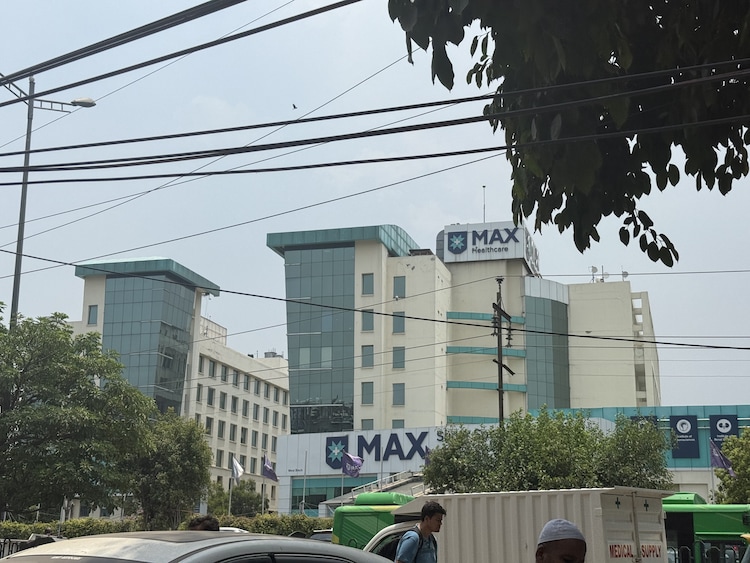
The Malviya Nagar fire that exposed Delhi's unregulated medical tourism lodging belt
The tragedy has cast a spotlight on the accommodation ecosystem surrounding Delhi's major hospitals, where patients from India and abroad often stay for weeks or months during treatment.
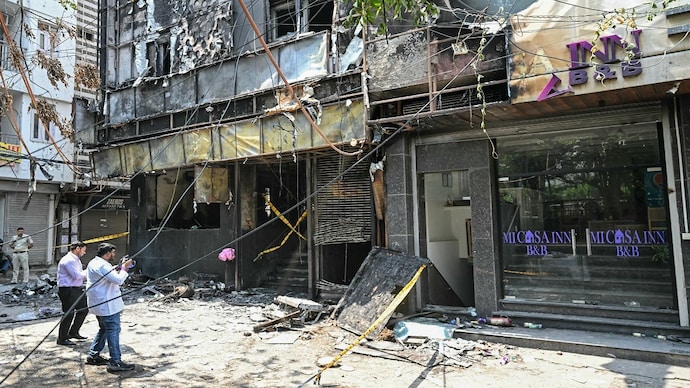
The incident that shook Delhi residents. (Photo: AFP)

New Delhi,UPDATED: Jun 5, 2026 07:06 IST
For most Delhi residents, Malviya Nagar is a familiar South Delhi neighbourhood - crowded markets, paying guest accommodations, eateries, coaching centres and apartment blocks packed into narrow lanes. But spend a few hours walking through the area and a different picture begins to emerge.
This is not merely a residential neighbourhood. It is a waiting room.
A waiting room for people who have travelled thousands of kilometres to seek treatment in India.
The victims of Wednesday's deadly fire at Malviya Nagar’s Flourish Stays B&B were among them. Many were patients and family members who had travelled to Delhi hoping for a surgery, a diagnosis, a second opinion, or simply a chance at recovery.
While the tragedy once again revived concerns about fire safety and regulatory compliance, it also spotlighted something far less discussed - the vast and largely invisible ecosystem that has developed around Delhi's hospitals to serve international medical travellers.
A NEIGHBOURHOOD BUILT AROUND HEALTHCARE
Within a short radius of Malviya Nagar and neighbouring Saket stand some of Delhi's biggest healthcare institutions, including Max Hospital Saket, PSRI Hospital, Madan Mohan Malaviya Hospital and Apollo Cradle & Children's Hospital.
Their presence has transformed the surrounding neighbourhoods into more than just residential areas. Over the years, they have become hubs for medical travellers from across India (Uttar Pradesh, Bihar, West Bengal) and abroad.
Walk through the nearby Hauz Rani neighbourhood and the signs are everywhere.
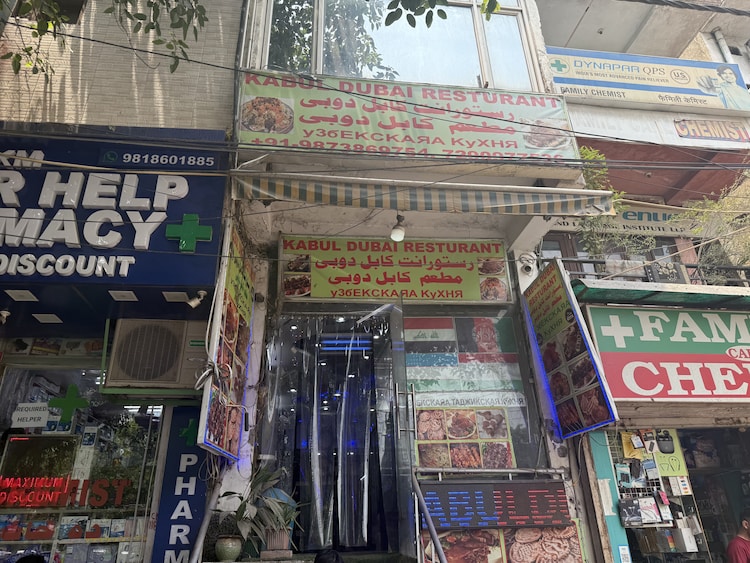
There’s a sea of chemist shops, so many that you could lose count. Pathology labs sit next to dental clinics. Foreign exchange counters operate alongside restaurants (Somali, Afghan) catering to international visitors. Conversations in Arabic, Somali, Bangla often blend into the background noise of the market.
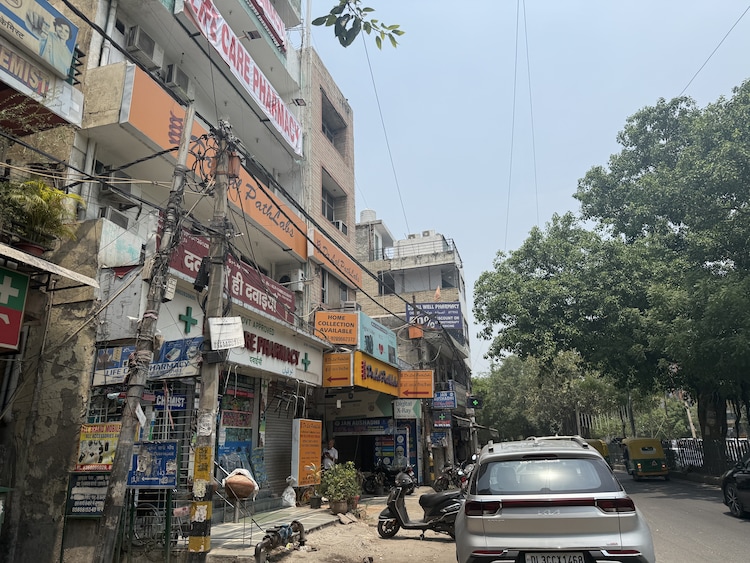
The atmosphere bears a striking resemblance to the areas surrounding AIIMS and Safdarjung Hospital, where entire local economies have long revolved around patients and their families.
Only here, the clientele is increasingly international.
"THE FACILITIES AREN'T UP TO THE MARK BACK HOME"
A few hundred metres from the site of the fire, a 25-year-old man from Somalia slowly walked with the help of a stick. He had travelled to Delhi for hip replacement surgery. For the past month, he and his family have been living in the area and expect to stay there until his recovery is complete.
When asked why he chose Malviya Nagar for accommodation, his answer was clear - the hospital is close. He is being treated at the Max Hospital Saket.
Why not get treated back home?
"The facilities aren't up to the mark, and it is expensive," he said. Delhi offered something increasingly valuable in global healthcare - treatment that is both accessible and comparatively affordable.
And how did he learn about this place? YouTube.
In Somalia, healthcare infrastructure remains severely limited. According to international health assessments, the country faces an acute shortage of trained medical personnel, hospital infrastructure and critical care facilities. For many patients requiring specialised treatment, travelling abroad is often less a choice than a necessity.
That’s where India becomes a viable option.
India's medical tourism industry has largely recovered from the pandemic shock, with foreign patient arrivals rising from 182,945 in 2020 to 644,387 in 2024, making up 6.48 per cent of all foreign tourist arrivals that year.
While the country has not yet surpassed its pre-pandemic peak of 697,453 medical tourists recorded in 2019, it remains one of the world's leading destinations for affordable healthcare.
Bangladesh continues to be the largest source market by a significant margin, sending 482,336 patients to India in 2024. Notably, countries such as Somalia and Uzbekistan have emerged as important contributors to India's medical tourism ecosystem. Somalia ranked third among source countries with 11,717 medical tourists in 2024, following a dramatic rise from just 1,006 visitors in 2022, while Uzbekistan's numbers have steadily increased from 6,768 in 2022 to 8,921 in 2024.
FROM SOMALIA TO BANGLADESH
The flow of patients extends well beyond East Africa.
A travel agent operating in Hauz Rani said people regularly arrived from Somalia, Sudan, Bangladesh, Uzbekistan and Turkmenistan seeking medical treatment. Afghan patients, once a common presence in the area, have become significantly fewer since the Taliban's return to power, he added.
Unlike conventional tourists, these visitors often stay for weeks or months. They arrive with caregivers, parents, spouses or children. Their schedules revolve not around sightseeing but around consultations, tests, surgeries and recovery.
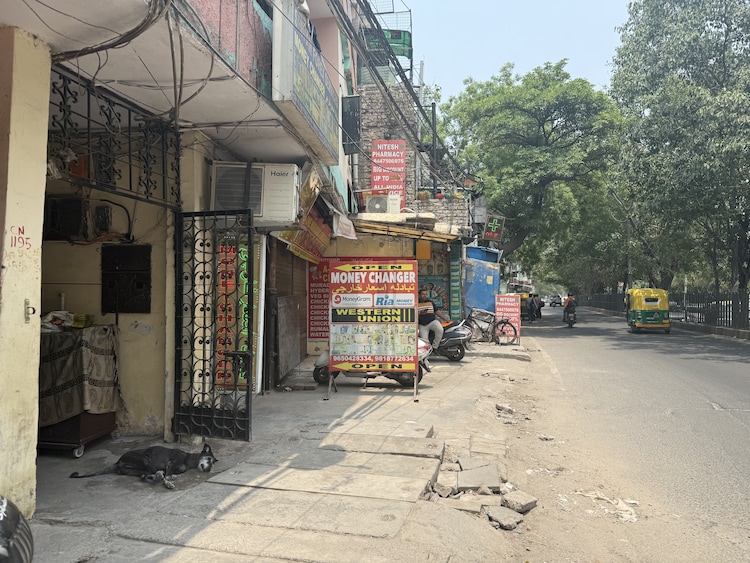
The pattern is visible across the neighbourhood. Guest houses advertise long-stay accommodations. Restaurants cater to foreign tastes. Currency exchange services dot the area. Entire businesses have emerged to serve a population that rarely appears in discussions about Delhi's urban growth.
THE ACCOMMODATION ECONOMICS IN MALVIYA NAGAR-SAKET AREA
As demand grew, housing adapted. Residents say several properties that once functioned as ordinary rental accommodation gradually shifted towards serving medical travellers.
"People used to put up their houses on rent or run PGs," one local resident said. "But then they realised that patients coming from other countries stayed for months and brought in more income. Slowly many places became guest houses and hotels," he said.
The economics are easy to understand.
Rooms in the area are often available from around Rs 1,500 to Rs 2,000 a night, making them significantly cheaper than hotels while keeping patients within minutes of major hospitals. And people seeking accommodation for longer periods of time are also provided discounts accordingly.
“If you go to Hilton (right in the posh Select City Walk mall), you will find patients and their families residing there too. It’s about who can afford what. Some can stay there, others end up in these kinds of accommodation which also seem to be pocket-friendly,” he added.
For someone recovering from surgery, proximity is often as important as affordability.
Yet, the same rapid growth raises uncomfortable questions. How many such establishments operate in the area? Are all of them compliant with safety regulations? Are buildings, originally designed as residences, being used for purposes they were never intended for?
Those questions have become difficult to ignore after the fire at the B&B that claimed 21 lives. Twelve were foreigners and nine were Indians.
FEAR AFTER THE FLAMES
In the aftermath of the tragedy, signs of anxiety were visible across the neighbourhood.
At several nearby lodging facilities, shutters were down. Some establishments reportedly asked guests to leave. Others appeared wary of inspections and possible scrutiny.
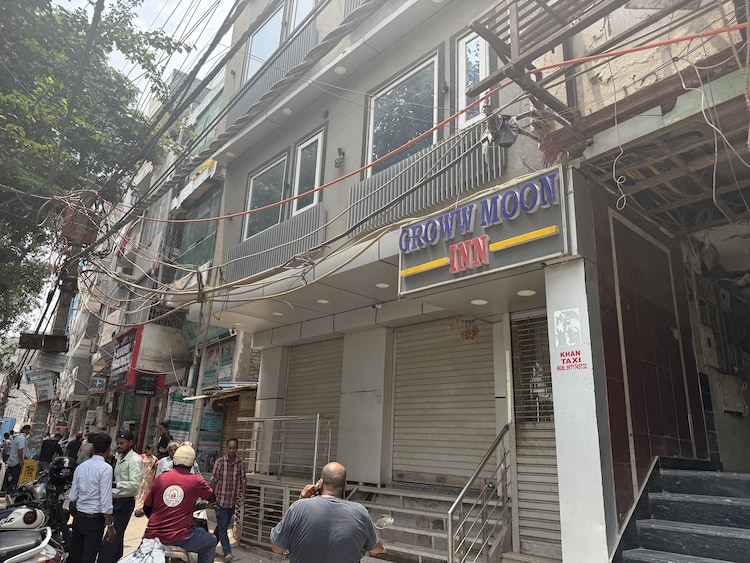
The reactions reflect how deeply embedded this accommodation network has become in the local economy. When hotel owners were asked for a reaction to the incident, many declined to comment.
PEOPLE WHO CAME HERE HOPING FOR RECOVERY
One particularly poignant aspect of the tragedy is who many of the victims were. They had travelled to Delhi because someone they loved was ill. They were waiting for a surgery date, accompanying a recovering family member, attending follow-up consultations or simply trying to stay close to a hospital during a difficult period.
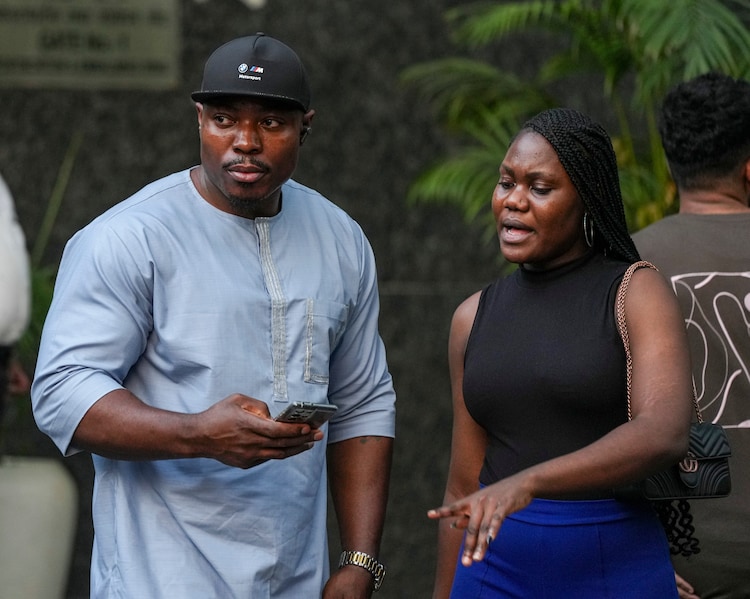
The rooms they occupied were never meant to be destinations. They were temporary shelters between diagnosis and recovery. Between fear and hope.
That is what makes the Malviya Nagar fire more than just another urban disaster.
It is a reminder that behind Delhi's reputation as a healthcare destination lies an entire ecosystem of vulnerable people who often remain unseen - patients navigating unfamiliar cities, families living out of suitcases, and caregivers counting days until they can finally return home.
The deaths in the Malviya Nagar fire should serve as a wake-up call for authorities to ensure that the guest houses serving thousands of medical travellers each year do not become sites of another such tragedy.
- Ends